

Poland
Poland has cut coal’s electricity share from 91% twenty years ago to 51% today, setting an example for similar economies worldwide
Last Updated: 14 Apr 2026
Anchor point: Overview

51%
Share of electricity from coal

25%
Share of electricity from wind and solar

1.6 million
Number of renewable energy prosumers
31% of Poland’s electricity was generated from low-carbon sources in 2025, below the EU average of 71%.
Poland’s largest source of clean electricity is wind (14%), but the country has seen some of the most rapid solar growth in Europe, adding over 20 GW of solar capacity between 2020 and 2025. Yet the combined share of wind and solar (25%) remains below the EU average (30%).
Poland relied on fossil fuels for 69% of its electricity in 2025, mainly coal (51%). Its per capita emissions of 2.7 tonnes of CO2e exceeded the EU average of 1.3 tonnes. It ranked 26th globally for electricity demand in 2024.
Poland’s power sector emissions fell by 30% in the last two decades, despite rising electricity demand and one of the highest GDP growth rates among OECD countries. This was mainly due to solar and wind displacing coal.
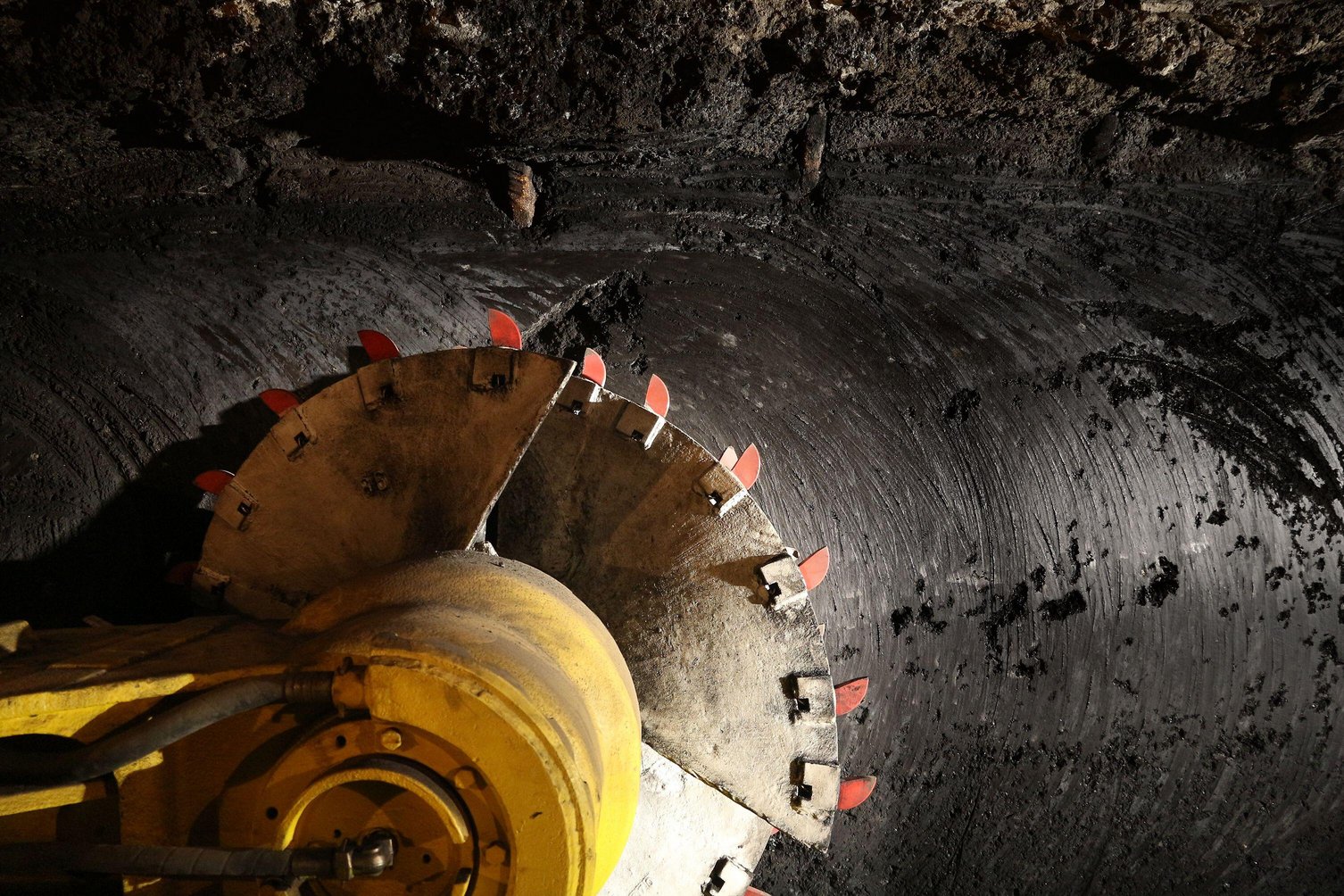
Poland is one of the top 10 emitters of coal mine methane globally. In 2023, Poland contributed 65% of the EU’s total coal mine methane emissions. Since 2025, however, Polish coal mining has been subject to the EU Methane Regulation, which is introducing a series of requirements for reporting and reducing methane emissions.
As of 22 January 2026, Poland was aiming for 51% of renewable electricity generation and 64 GW of renewable capacity by 2030, including almost 6 GW of offshore wind. For the country’s latest renewables targets, see our 2030 Global Renewable Target Tracker.
Poland is rapidly moving from coal to clean electricity, cutting coal’s share in the energy mix by 30 percentage points in 10 years. Yet unlike some Western European neighbours, it has maintained high GDP growth throughout the process, becoming a more relatable example for other coal-dependent economies worldwide. Poland now needs to double down on clean power, grids, interconnection and flexibility, using the energy transition to boost both security and economic prosperity.

Satellites have ended the era of invisible methane emissions. In 2025, over a 100 super-emitter events detected by satellites have been traced to Polish coal mines. With high-resolution imagery now publicly available, independent verification is within reach. The detection of persistent methane emissions exposes a risk of non-compliance under the EU Methane Regulation.

Anchor point: Data
Anchor point: Insights
Latest insights from the region

Analysis
The electro-fortification of Britain: the next national technology transition
22 September 2026

Analysis
Solar helps Europe’s grid withstand extreme heat
12 August 2026
Analysis
Power on tap: EU hydro giants can add 25 GW renewables without new grids
20 July 2026

Analysis
A quarter of EU power came from solar for the first time in June
13 July 2026
Anchor point: Experts



Related countries and regions
World
Record renewables propel the world towards a new era of falling fossil generation

European Union
Solar power overtook coal generation in the EU for the first time in 2024

Germany
Strong solar growth in Germany as coal generation falls to historic low

Russia
Russia set a new record high for both coal and gas generation in 2024

France
France strengthens its role as Europe’s energy supplier