

Germany
Over the past 20 years, Germany has rapidly expanded their wind and solar fleet, but it remains the biggest coal producer in the EU
Last Updated: 14 Apr 2026
Anchor point: Overview

59%
Share of electricity from clean sources

45%
Share of electricity from wind and solar

41%
Share of electricity from fossil fuels
59% of Germany’s electricity was generated from clean sources in 2025, below the EU average of 71%.
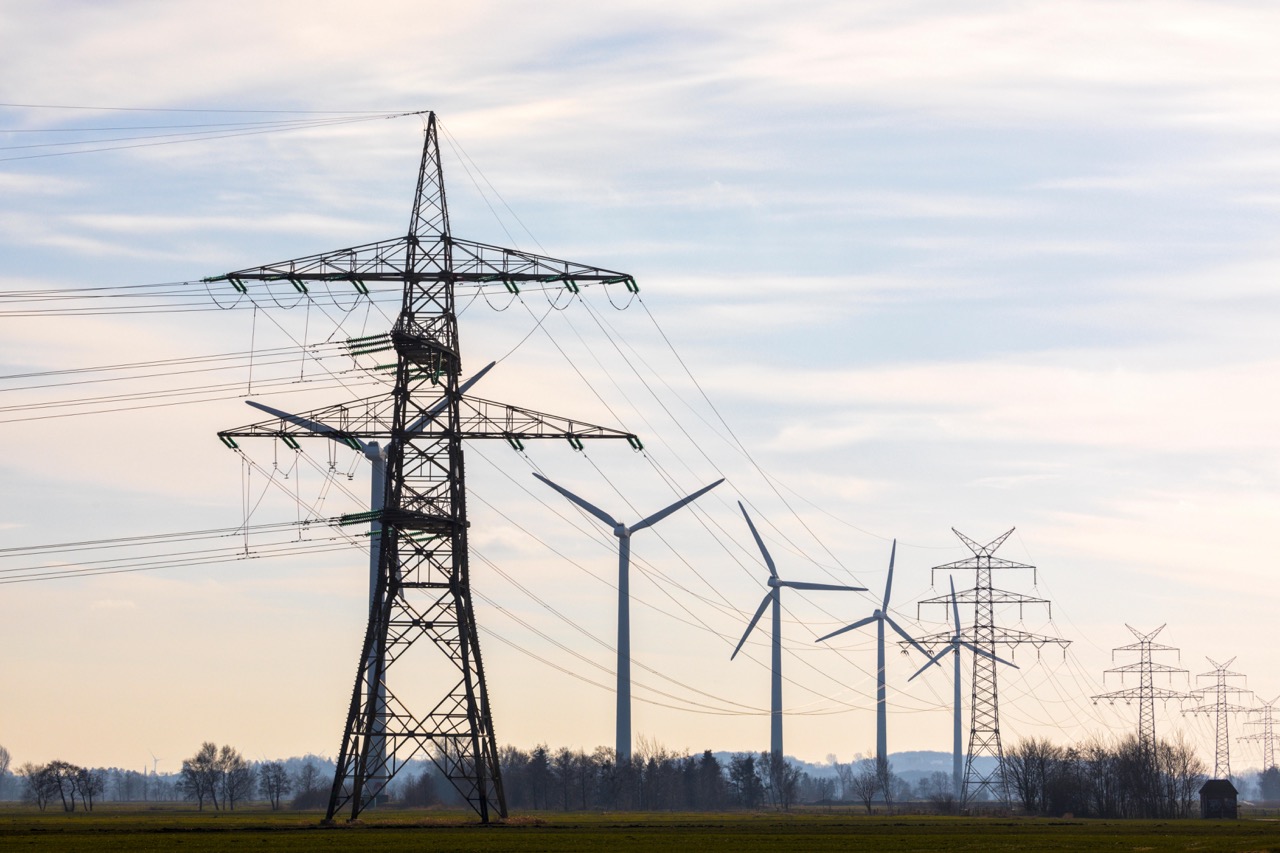
Germany remains one of the global leaders for wind and solar energy deployment. Since the introduction of its landmark renewable energy law (Erneuerbare-Energien-Gesetz) in 2000, its share of generation from wind and solar has grown from less than 2% to almost 45% in 2025. During the same period, coal power fell from supplying more than half (52%) of German electricity to just 21%.
Germany generated more electricity from wind and solar in 2025 than any other EU member and accounted for more than a quarter of the bloc’s total wind and solar generation. In 2024, only three countries globally generated more power from wind and solar than Germany – and no other country among the 30 biggest electricity producers globally had a higher share from these sources.
Germany’s largest clean power source in 2025 was wind (27%) followed by solar (18%). Combined, wind and solar reached 45% – above the EU average of 30%. Clean power, entirely from renewables since its 2023 nuclear exit, accounted for 59% of electricity generation (below the EU average of 71%), while fossil fuels made up 41% (above the EU average of 29%).
Rapid wind and solar deployment cut power sector emissions per capita to 2 tonnes of CO2e in 2025 – more than half of their 2007 peak, though still above the EU average of 1.3 tonnes.
However, Ember’s analysis suggests that Germany’s coal mine methane emissions could be 28 to 220 times higher than officially reported. Accurate and urgent measurement is key to implementing effective coal mine methane reductions and ensuring Germany meets its net-zero target.
As of 1 January 2026, Germany was continuing its ambitious plans for 75% renewable energy and 360 GW renewable capacity by 2030. For the country’s latest renewables targets, see our 2030 Global Renewable Target Tracker.
The energy transition in Germany shows no sign of slowing down. Solar power had another record year and overtook generation from gas for the first time in 2025. With coal power falling to an all time low it now needs to focus on the next step on its journey to a clean power system: replacing expensive, imported gas with flexible and storage solutions.

As the largest coal-producing country in the EU, Germany must move beyond outdated emission factors to accurately reflect methane emissions from its mines. Strengthening measurement standards is an essential step toward credible reporting under the EU Methane Regulation.

Anchor point: Data
Anchor point: Insights
Latest insights from the region
Analysis
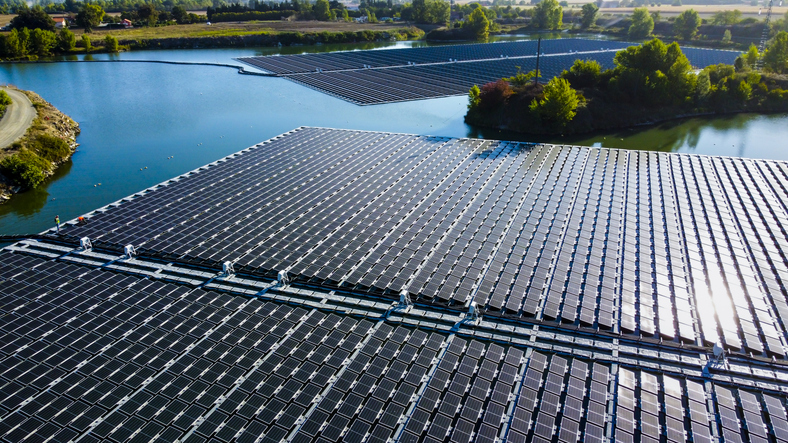
Power on tap: EU hydro giants can add 25 GW renewables without new grids
20 July 2026

Analysis
A quarter of EU power came from solar for the first time in June
13 July 2026
Policy papers
From oil dependence to electric security: a resilience roadmap for EU road transport
02 July 2026
Analysis
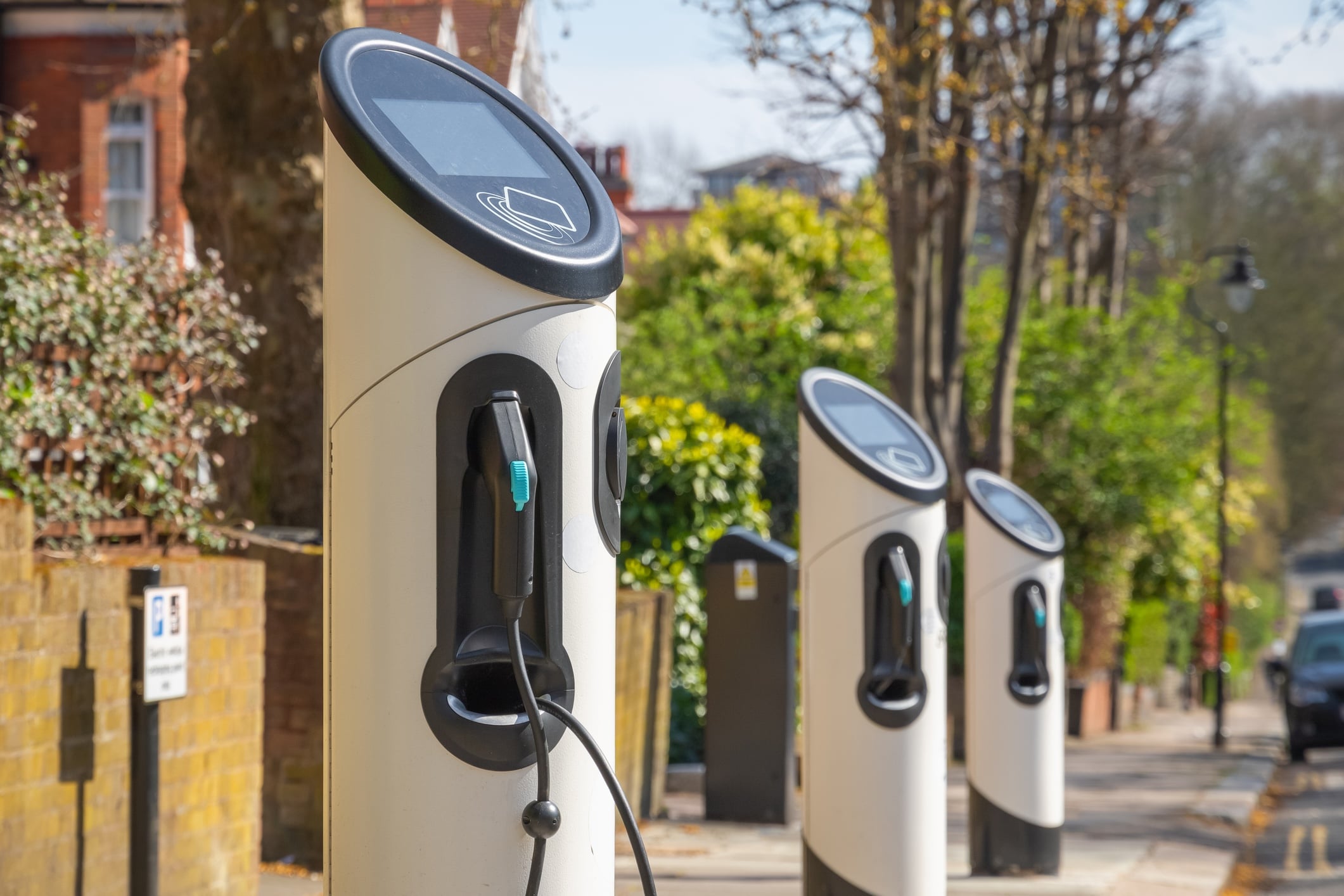
Batteries and demand flexibility are ready to scale across the EU
23 June 2026
Anchor point: Experts



Related countries and regions
World
Record renewables propel the world towards a new era of falling fossil generation

European Union
Solar power overtook coal generation in the EU for the first time in 2024

Poland
Poland’s power sector emissions fell in the last decade, as wind and solar began to grow and coal generation entered its decline.

United Kingdom
In 2024, the United Kingdom generated 66% of its electricity from low-carbon sources.

France
94% of France’s electricity was generated from low-carbon sources in 2024, above the global average of 41%.