
G20
Most G20 countries have now begun their electricity transition in some way
Anchor point: Overview


44% of G20’s electricity was generated from clean sources last year, similar to the global average of 43%.
The G20 (Group of Twenty) is a forum for the world’s largest economies. G20 countries accounted for 84% of the world’s electricity demand, and 93% of global coal generation in 2025.
Among G20 countries, Brazil is both a leader in renewable electricity and, by far, the clean energy transition leader, with the lowest per capita emissions of any G20 country thanks to its renewables-dominated electricity mix.
South Africa has been the G20 country with the highest share of coal generation since 2015 and remained so in 2025 at 81%, followed by India at 71%. Since 2015, Indonesia has overtaken China and Australia, and in 2025 continued to have the third highest share of coal generation in the G20 at 62%, ahead of China at 54% and Australia at 43%.
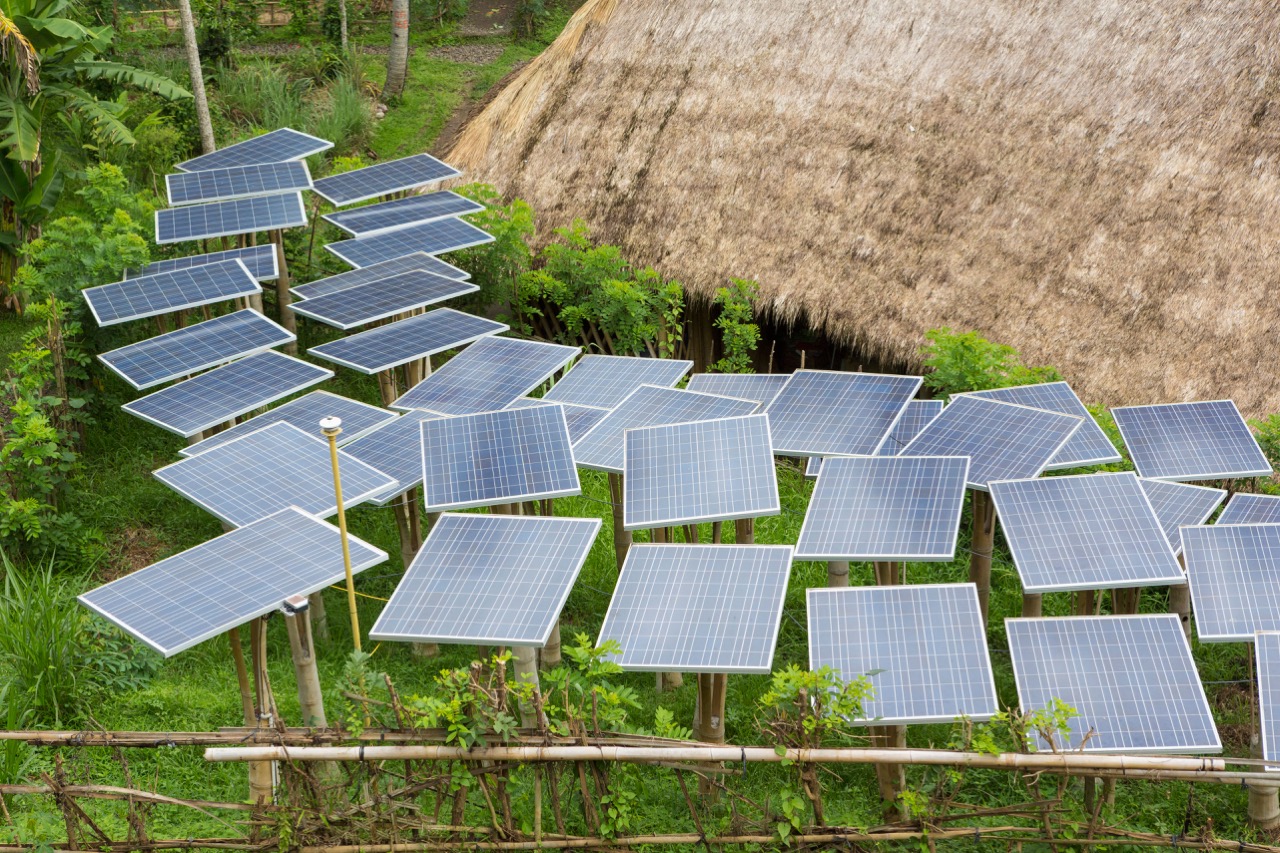
Most G20 countries have begun building wind and/or solar power at scale. In Germany and the UK, wind and solar together generated 45% and 36% of electricity respectively in 2025. Across the G20, wind accounted for 10% and solar for 9.5% of the electricity mix.
In terms of other clean power in the mix, hydro’s share in G20 electricity generation has fallen from 15% in 2015 to 12% in 2025, as hydro growth remains slow compared with the increase in electricity demand.
Anchor point: Data
Explore energy data for the G20


Anchor point: Insights
Latest insights