Japan’s largest source of low-carbon electricity is solar. In 2025, its share reached 10% of generation for the first time, nearly tripling in a decade. Japan remains the world’s fourth largest solar generator.
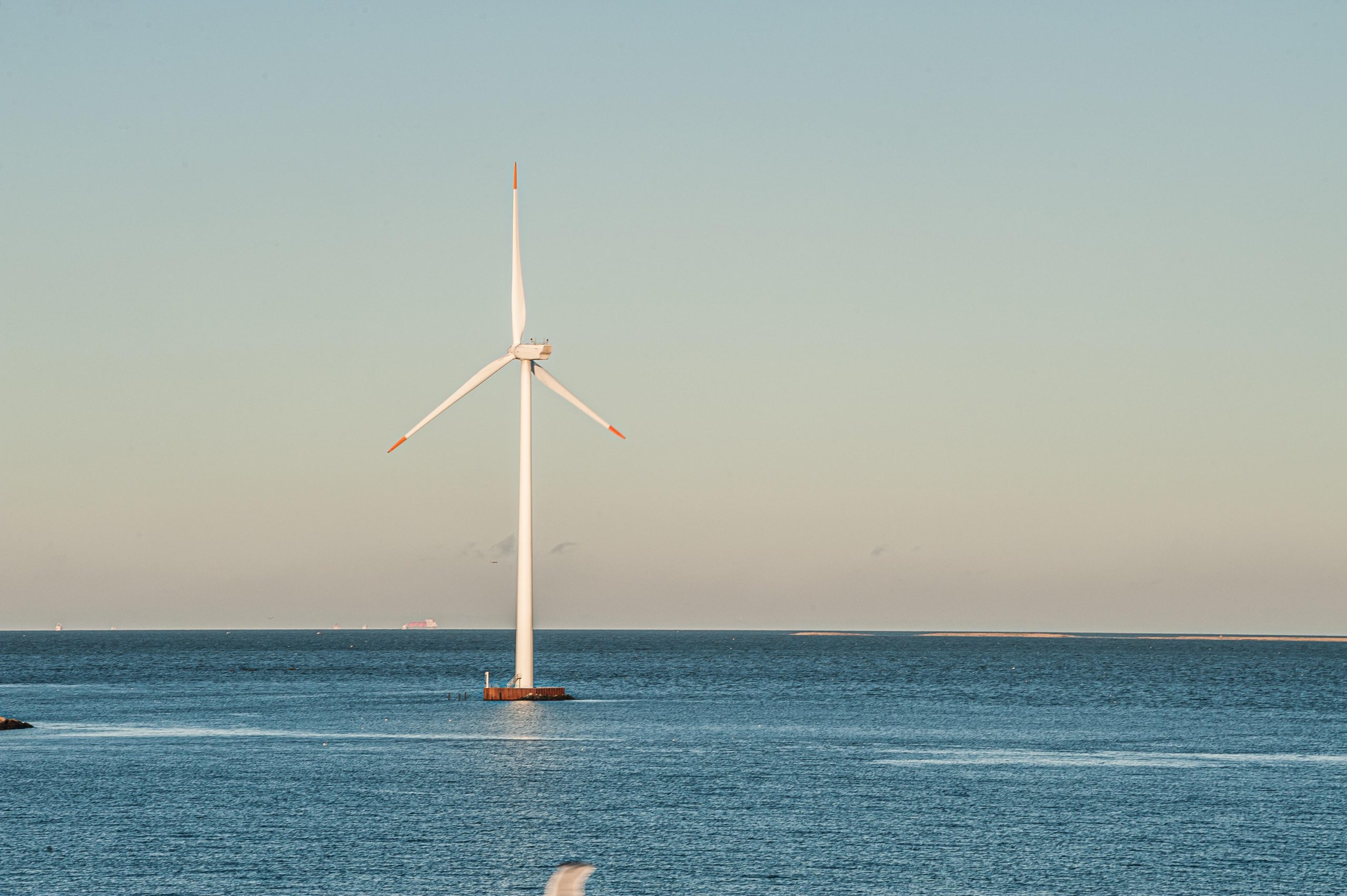
In contrast to solar, wind remained at around 1% of generation in 2025, lagging behind the rest of the G7 where it averaged 10%. However, wind generation increased by 1.3 TWh (+11%) in 2025 which, although small in absolute terms, is the second largest ever annual wind generation increase in Japan.
The progressive restart of nuclear reactors that were shuttered after the 2011 Fukushima disaster pushed nuclear’s share to 9% of generation in 2025, up from 8% in 2024, but well below its pre-Fukushima level of 25%.
Due to the growth of solar and the recovery of nuclear, the share of clean generation in Japan has doubled in the last decade to 33%, but remains below the 38% level posted in 2000. This means that Japan still relies heavily on fossil fuels, which accounted for two-thirds (67%) of generation in 2025. However, fossil generation fell marginally in 2025 (-0.7%), as growth in clean generation more than met the increase in electricity demand.
Japan’s per capita emissions in the power sector (4 tCO2e) are more than twice the global average (1.8 tCO2e) and double the Asia region average (2.1 tCO2e). This is largely due to its per-capita electricity consumption (8.4 MWh) being more than double the global (3.9 MWh) and Asian (3.8 MWh) average.
As of March 2026, Japan was targeting 38% renewable electricity by 2030. While the country’s renewables growth faces headwinds, wind power, particularly offshore wind, remains largely untapped.