

United Kingdom
The United Kingdom has reduced power emissions, supported by its offshore wind industry, but it continues to import gas and biomass fuels for power
Last Updated: 14 Apr 2026
Anchor point: Overview
Highlights

64%
Share of electricity from clean sources

36%
Share of electricity from wind and solar

36%
Share of electricity from fossil fuels
In the UK, low-carbon renewables have overtaken fossil fuels as the largest source of power generation.
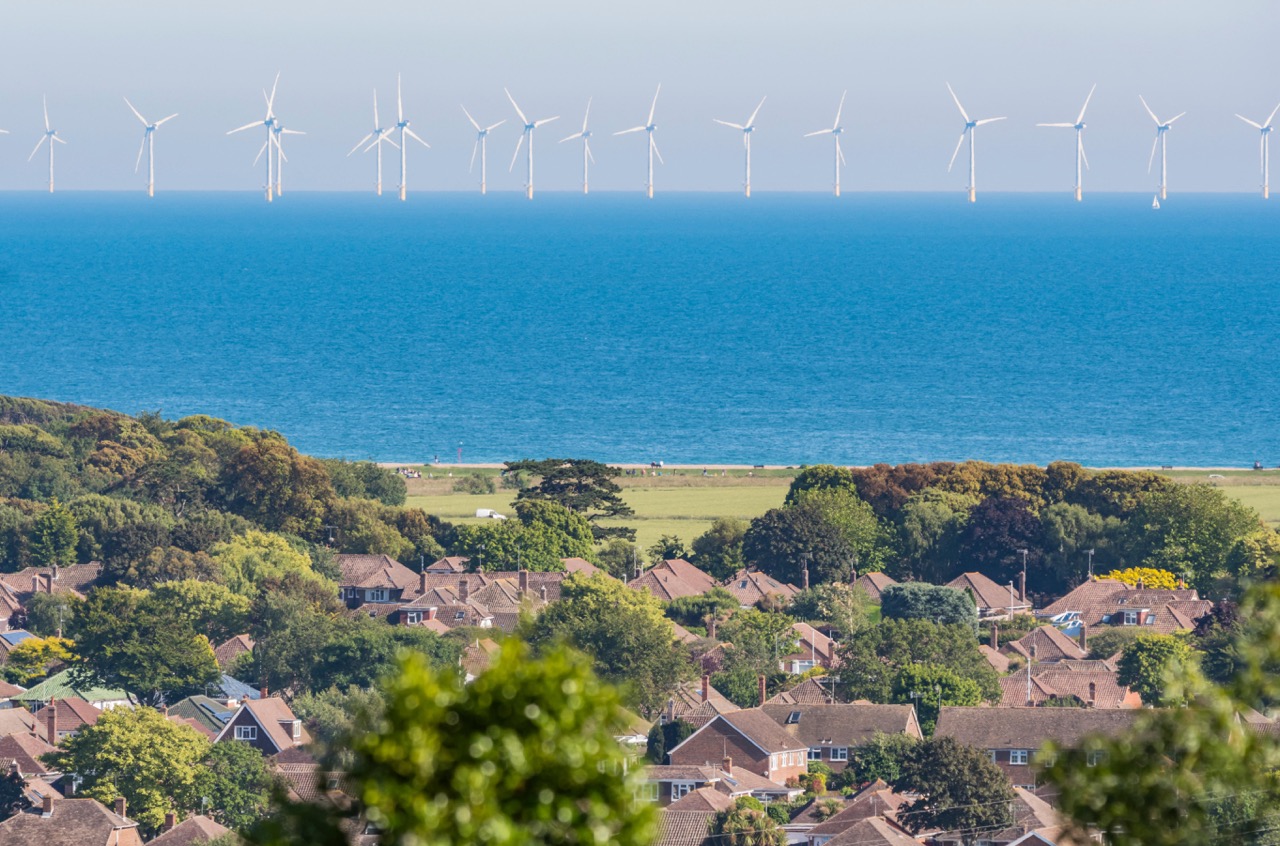
With some of Europe’s highest wind speeds and a wind fleet of over 32 GW, it’s no surprise that wind power is the United Kingdom’s largest source of clean electricity (29%). Despite lower sunshine levels compared to the European average, the UK has significant solar generation capacity. The combined share of wind and solar generation (36%) is above the EU average (30%).
The United Kingdom relied on fossil fuels for 36% of its electricity in 2025, the majority of which was generated by fossil gas power plants after coal power was phased out in 2024. Energy import reliance has increased in recent years in the UK, despite increasing renewable power, due to a decline in North Sea oil and gas reserves. The UK’s power sector emissions per capita are 30% below the EU average. Electricity demand in the UK has been on a downward trend since a peak in 2005, however it plateaued in 2024 and 2025, as electrification and recovery from earlier energy price spikes contribute to demand increases. Overall, the UK ranked 17th for electricity demand globally in 2024.
The United Kingdom’s power sector emissions have fallen significantly in the last two decades due to the phase out of coal power and the rapid deployment of wind and solar. However, the UK remains reliant on gas (31%), and also on bioenergy (14%), despite concerns over its climate impacts and wider sustainability issues.
The UK has reduced its coal mine methane emissions by 90% since the early 1990s. Given that the majority of historic coal production in the UK originated from underground mines, most of the remaining methane risk now stems from abandoned mine shafts and facilities. Implementing a robust Monitoring, Reporting, and Verification system, consistent with the EU Methane Regulation, would provide verifiable data, ensure transparent reporting, and be essential for the UK to meet its commitments under the Global Methane Pledge.
Britain aims for a clean power system by 2030, with offshore wind supplying the majority of electricity and gas-fired power reduced to below 5%. In Northern Ireland, 80% of electricity consumption is expected to be supplied by renewables by 2030.
The UK has quickly achieved something massive, shifting its power system from being a huge polluter to one where renewables are thriving. The next challenge is reducing import reliance for both heat and transport fuels.

To remain a global leader under the Global Methane Pledge, the UK must continue to move beyond generic estimates and ensure that methane from both active and abandoned mines is rigorously quantified through direct measurement.

Anchor point: Data
Anchor point: Insights
Latest insights for the United Kingdom

Analysis
The electro-fortification of Britain: the next national technology transition
22 September 2026
Analysis
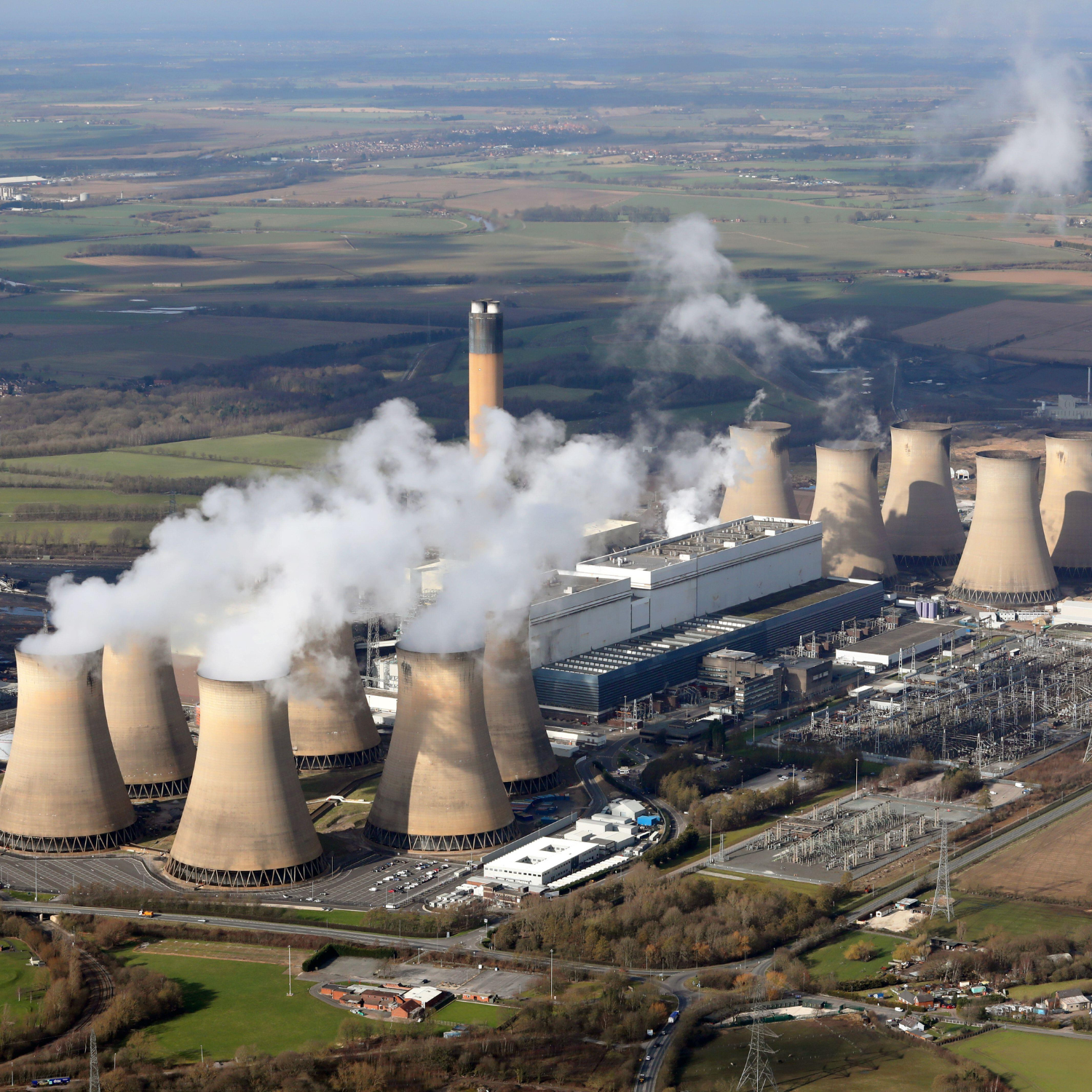
UK’s largest emitter Drax reports record emissions in 2025
09 July 2026

Analysis
UK solar homes power equivalent of five hours of daily air con use during heatwave
24 June 2026
Policy papers
Abandoned mine methane offers Wales an energy and revenue opportunity
01 June 2026
Anchor point: Experts


Related countries and regions
World
Record renewables propel the world towards a new era of falling fossil generation

European Union
Solar power overtook coal generation in the EU for the first time in 2024

G7
Across the G7, coal-fired generation has shrunk by 48% since 2015, as both wind and solar have replaced coal in most countries

France
94% of France’s electricity was generated from low-carbon sources in 2024, above the global average of 41%

Germany
Germany generated 57% of its electricity from low-carbon sources in 2024, above the global average of 41%