

Our team examines methane emissions from Australia’s coal sector, focusing on the accuracy of reported data and the effectiveness of policies such as the Safeguard Mechanism. By assessing reported emissions, metallurgical coal supply chain data and independent and satellite-based measurement approaches, we identify reporting gaps, highlight methane hotspots, and develop practical recommendations to strengthen monitoring, mitigation, and climate accountability.

Australia
As wind and solar expand rapidly, managing the orderly phase-down of Australia’s ageing coal fleet is becoming increasingly essential.
Last Updated: 26 May 2026
Anchor point: Overview
Key energy data for Australia

2.7x
Demand as a multiple of the global average

39%
Share of clean electricity

33%
Share of solar and wind

61%
Share of electricity from fossil fuels

3.1x
Power sector emissions per capita as a multiple of the global average
39% of Australia’s electricity was generated from low-carbon sources in 2025, below the global average of 43%.
Australia’s largest source of clean electricity is solar (20%), which has more than doubled since 2020. Australia has the world’s highest solar generation per capita, over six times the global average.
Australia’s joint share of wind and solar (33%) is almost double the global average (17%), though it remains below peers like the United Kingdom (36%) and Spain (42%).
Australia relied on fossil fuels for 61% of its electricity in 2025, with 43% coming from coal. Its power sector emissions have fallen by 23% from their peak in 2009 due to growth in solar and wind, even as demand has grown. Australia’s emissions per capita were three times the global average and the highest in the G20.
Fossil generation decreased by 3.9% in 2025 after growing last year, following six consecutive years of decline. Exceptional growth of solar in the residential sector, with 43% of Australian households now having solar panels, and strong growth in wind generation, helped cut fossil generation.
As of March 2026, Australia’s government was aiming for 82% renewable electricity by 2030 and was projecting that power sector emissions will more than halve between 2024 and 2030.
Coal mine methane
Australia is a major emitter of coal mine methane, making its methane performance globally significant. Official data shows coal mine methane emissions reached 888 kilotonnes of CH4 in 2023, down from 1193 in 2007. But studies suggest actual emissions could be up to twice the methane reported to the government. Stronger measurement, reporting, verification, and abatement could cut emissions rapidly.
Anchor point: Data
Explore Australia’s energy data

Data tools
Electricity Data Explorer
The latest electricity demand, generation, capacity and CO2 data by country, available freely and easily to help others speed up the electricity transition.
Last Updated: 26/05/2026

Data tools
2030 Global Renewable Target Tracker
Tripling renewable generation capacity is the single largest action the world can take to keep the 1.5 degree goal within reach. Compare and explore national renewable targets in 98 countries and one region representing over 97% of global power demand.
Last Updated: 26/05/2026
Data tools
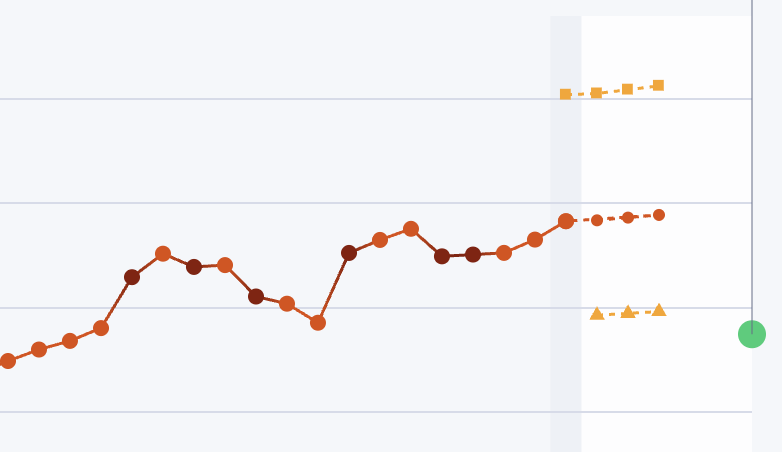
Coal Mine Methane Data Tracker
The latest coal mine methane emissions, projections, production data, and policy context by country, available freely and openly to accelerate global coal mine methane reduction efforts.
Last Updated: 26/05/2026
Anchor point: Insights
Our Work
Australia’s wind and solar boom is reshaping the power system and starting to drive down emissions. The critical task now is managing the orderly phase-down of ageing coal plants while ensuring the grid remains reliable during the transition.

Improved satellite coverage and independent measurement are bringing greater clarity to where methane emissions are concentrated in Australia’s coal sector. The challenge now is turning better data into faster action. If Australia standardises MRV and creates clear commercial incentives for verified reductions, it can help move VAM and drainage improvements from pilots to large, near-term methane cuts.

Latest insights for Australia
Policy papers
Reward abatement, not accounting changes
07 August 2026
Analysis
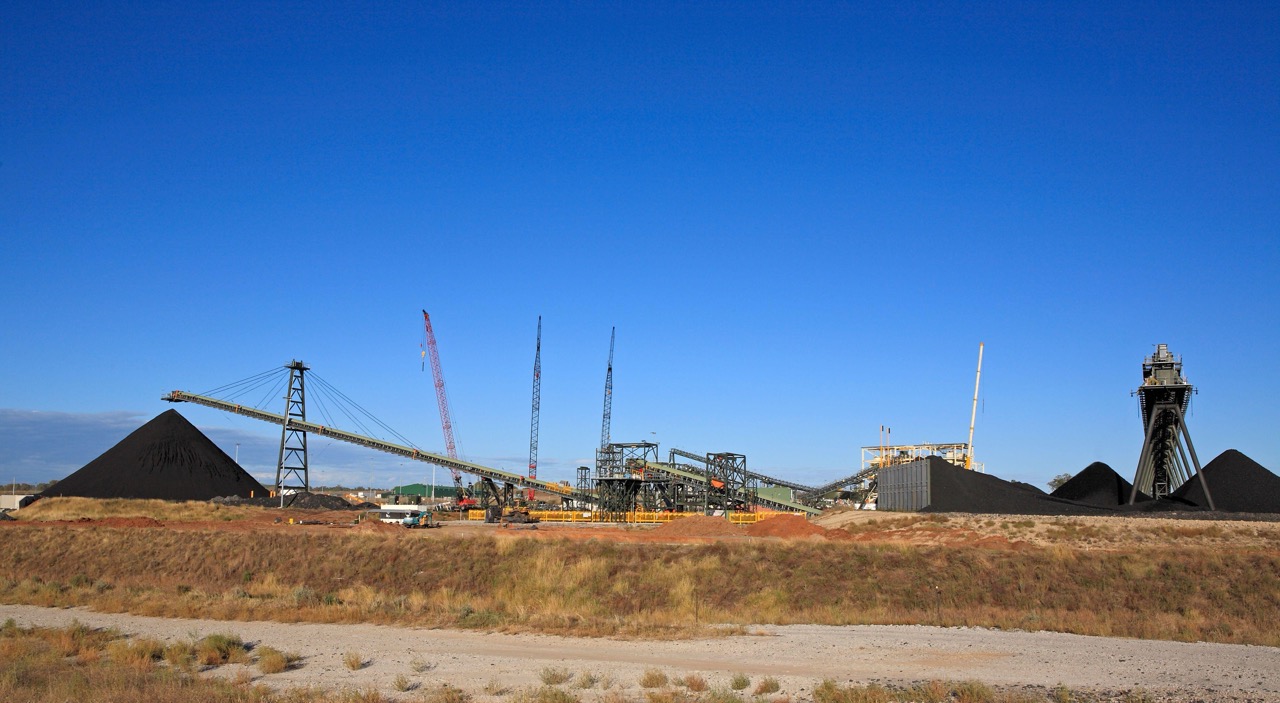
Declining emissions in Australia’s coal sector mask growing offset use
29 April 2026
Policy papers
Submission to NSW EPA: Climate change licensee requirements
07 October 2025

Analysis
Hidden impact of Australian coking coal in steelmaking
03 September 2025
Anchor point: Experts