
Clean Flexibility | Ember

Clean Flexibility

Tools to keep a clean electricity system balanced, every hour of every day

Anchor point: Overview

Store
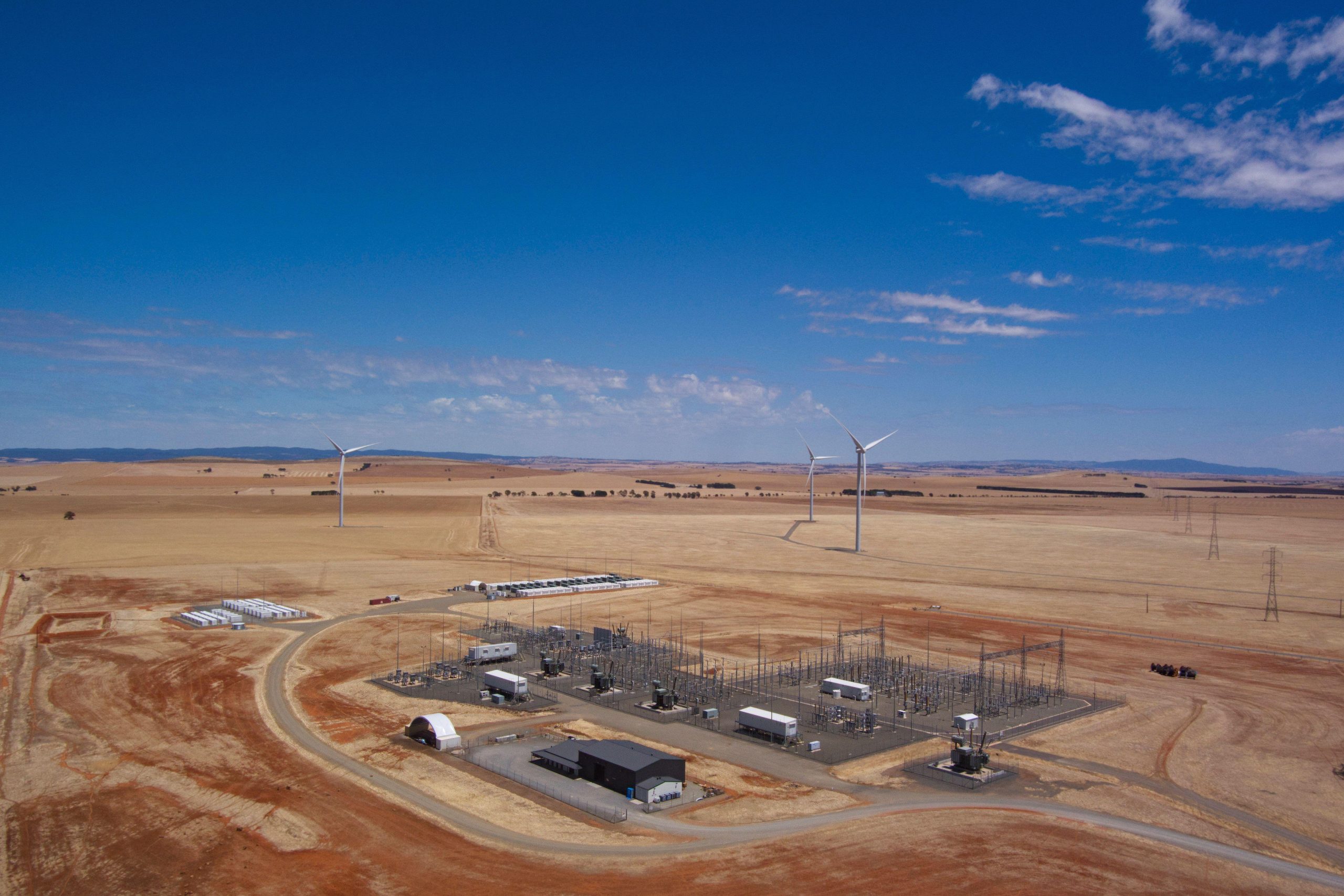
Storing electricity across minutes, hours and days to save renewable power for times with less sunshine and wind.
Shift
Incentivising consumers to shift non-critical demand to windy and sunny hours, lowering their bills and providing grid stability.
Share
Power cables carry excess solar and wind power to where they are needed, balancing supply and demand across space.
Supply
Power sources ramp up and down quickly to maximize wind and solar use in a cost-effective way.

Unlocking the full potential of renewable energy

Clean flexibility refers to a set of tools used to keep the supply and demand for clean power balanced, every minute of every day. It is the key to a future where renewables can consistently power homes, transport and industry.

As the world introduces more and more clean electricity into its energy systems, these systems need to become smarter. This means bringing in modern tools to replace the old model of switching coal and gas plants on and off to balance the system. Clean flexibility can store renewable electricity for later, shift demand to times of surplus, share electricity across regions, and ensure supply stays responsive. These tasks are handled by a growing portfolio of technologies—from batteries and smart charging to long-distance cables and flexible renewable power supplies.

Anchor point: Our work

Our work

Already paving the way for 24/7 clean electricity

In India, we’re examining how clean flexibility—particularly battery storage—can enable 24/7 clean electricity for heavy industries, providing a pathway to decarbonise one of the hardest-to-abate sectors. In Southeast Asia, our research highlights the importance of grid investment in unlocking solar potential and attracting clean energy investment in fast-growing markets like Malaysia.

Across Europe, we assess how flexible demand shifting can reduce reliance on fossil gas, helping countries cut import costs while enhancing energy security. We highlight the huge opportunity for battery storage to complement solar, not only increasing the number of hours in which solar can provide power, but also strengthening its business case. We also explore how stronger grid interconnections are supporting the continued rapid deployment of renewables across the continent.

Globally, our work tracks how falling battery costs are reshaping the economics of clean power, allowing solar to go from a daytime resource to a round-the-clock solution.

By storing, shifting and sharing clean electricity, clean flexibility turns renewables into reliable, low‑cost power which cuts bills, reduces import dependence and shields economies from fossil price swings. It’s not just smart economics, giving countries a competitive edge by powering industry with cheaper, steadier energy, but also a lever to future-proof energy systems.

Clean flexibility is how we ensure our electricity is clean every hour, not just the sunny and windy hours. The faster we build it, the faster we can leave fossil fuels behind.

Storage, demand flexibility and upgraded grids can sustain renewable growth and benefit consumers. In Europe, these clean flexibility solutions are ready to deploy, but require policy action to reach their full potential.

Anchor point: Our experts

Our clean flexibility experts

Share