It’s time for Europe to take stock of its abandoned coal mines – a major source of methane

As Europe works to cut emissions across all sectors, a potent source of climate pollution has been leaking under the radar from closed and abandoned coal mines. These mines, shut down and often forgotten, can continue to release methane – a greenhouse gas over 80 times more powerful than CO2 in the short term. Known as Abandoned Mine Methane (AMM), this source represents one of Europe’s long-overlooked and, until recently, largely unregulated climate risks. Addressing it is one of the goals of the EU Methane Regulation, adopted last year.
What is AMM?
Abandoned Mine Methane refers to the methane that continues to seep from coal seams and surrounding rock formations long after mining operations have ceased. These emissions can persist for decades after closure.
Unlike operational coal mines, which are ventilated and monitored, abandoned sites are often left unmanaged. Methane accumulates within the mine voids and escapes through cracks, boreholes, old ventilation shafts and degraded seals – largely unmeasured.
These emissions are not steady or constant. Instead, they behave somewhat like the “breathing” of the mine. Changes in atmospheric pressure cause the mine to “inhale” air and “exhale” methane. When barometric pressure rises, air is pushed into the mine and when it drops – the mine releases accumulated gas – resulting in sudden, concentrated spikes of methane.
Importantly, methane emissions are at their highest in the period immediately following closure – this makes early monitoring and mitigation critical to effective emissions reductions.
Because these emissions are often no longer linked to a responsible operator, they’ve remained largely outside the reach of regulation – until recently.
The problem of unmeasured emissions
Across Europe, thousands of coal mines have been closed – from Spain to Romania, a total of 15 Member States have closed or abandoned underground coal mines.
In 2021, the EU reported that closed and abandoned coal mines emitted an estimated 235,000 tonnes of methane, with Romania accounting for 83% of this. However, these figures are based on emissions factors, not direct measurements. Most EU countries have neither measured methane emissions from abandoned sites nor fully mapped their locations.
Research from Global Energy Monitor (GEM) highlights the scale of this gap. In Poland, for example, government estimates put total AMM emissions for 2021 at 21,500 tonnes. But GEM’s 2024 analysis found that mines closed since 2015 alone are releasing closer to 75,000 tonnes annually – more than three times higher.
Regulation to tackle emissions from abandoned coal mines
The European Union’s Methane Regulation, adopted in May 2024, marks a turning point. For the first time, the EU explicitly addresses emissions from closed and abandoned coal mines.
What does the regulation require?
- By 5 August 2025: All Member States must publish a public inventory of closed and abandoned underground coal mines where operations ceased after 3 August 1954.
- From 5 May 2026: Methane emissions from these sites must be directly measured.
- By 5 February 2027: Member States are required to develop and implement a mitigation plan for these mines.
- By 1 January 2030: Venting and flaring from AMM capture equipment will be prohibited.
This regulation represents a crucial shift: it brings abandoned coal mines into the fold of EU climate policy. But deadlines are fast approaching – and success hinges on rapid coordination between governments, regulators and industry.
Europe’s opportunity to lead
The technology to monitor, capture and use AMM already exists. Methane can be trapped by flooding mines – or captured and used to power homes and industry, offering economic opportunities for coal regions in transition. Although burning methane releases CO2, it remains a better option than letting methane leak, given its much stronger warming effect.
In Germany, case studies show that proactive AMM capture can make a major difference. North Rhine-Westphalia captured and used 108,000 tonnes of methane in 2020 alone. The region estimates that without mitigation, emissions could exceed 1 million tonnes by 2035.
However, real change depends on political will. The upcoming August deadline for publishing a public inventory of closed and abandoned coal mines is only the first step. Member States now face the challenge of turning plans into action. The EU has taken a crucial step by establishing the regulatory framework – now the focus shifts to effective implementation.
Acknowledgements
Other Contributors
A special mention goes to the photographers Karl Mancini and Giacomo d’Orlando, and everyone at Ronin, for the images used in the video within this piece.
The author would also like to thank Sachin Sreejith, Izabela Urbanska, Chelsea Bruce-Lockhart and Reynaldo Dizon for their help in shaping this commentary and creating this video.
Header Image
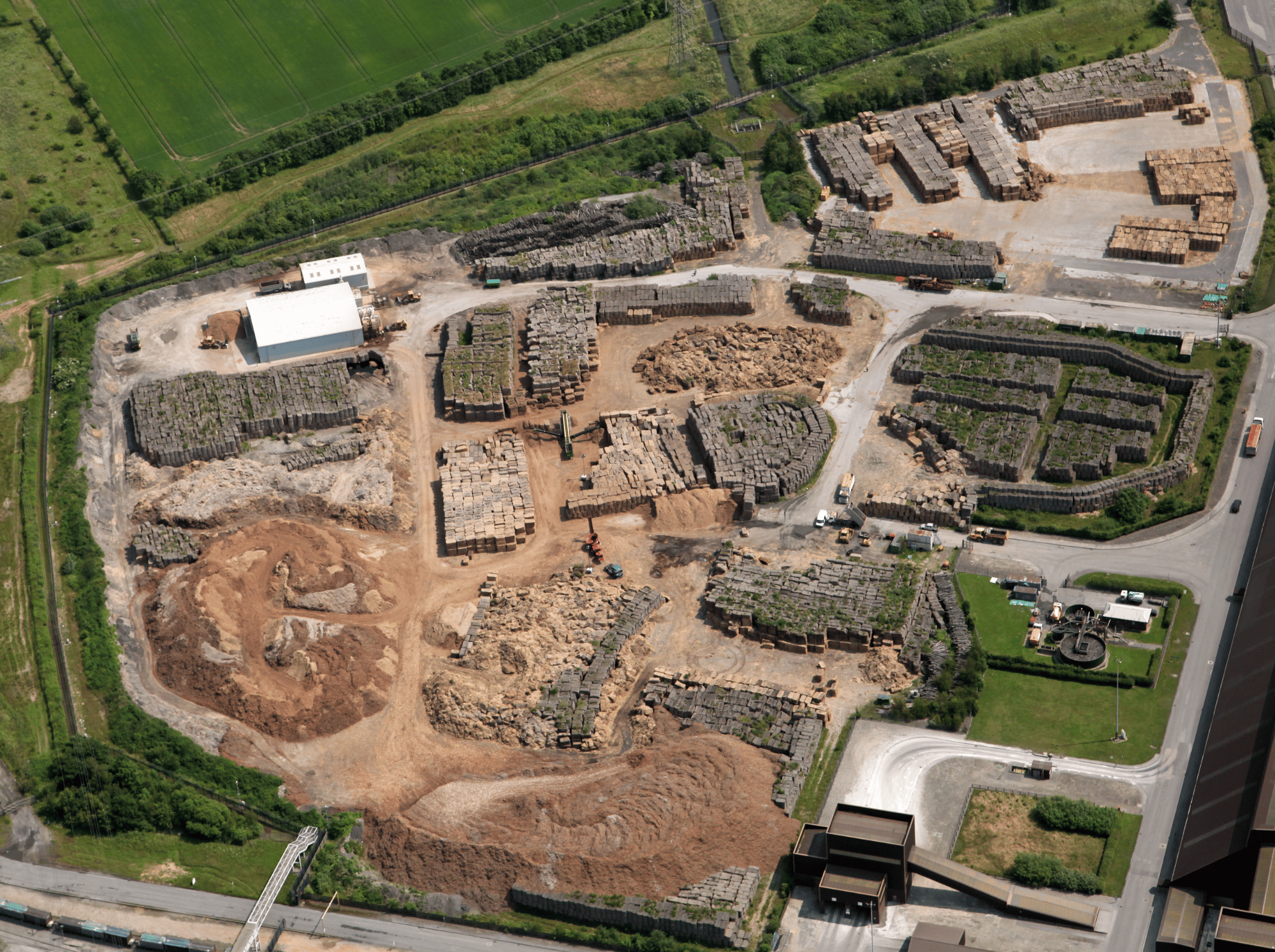
An abandoned coal mine in Romania.
Credit: Karl Mancini
Related Content