


The Netherlands
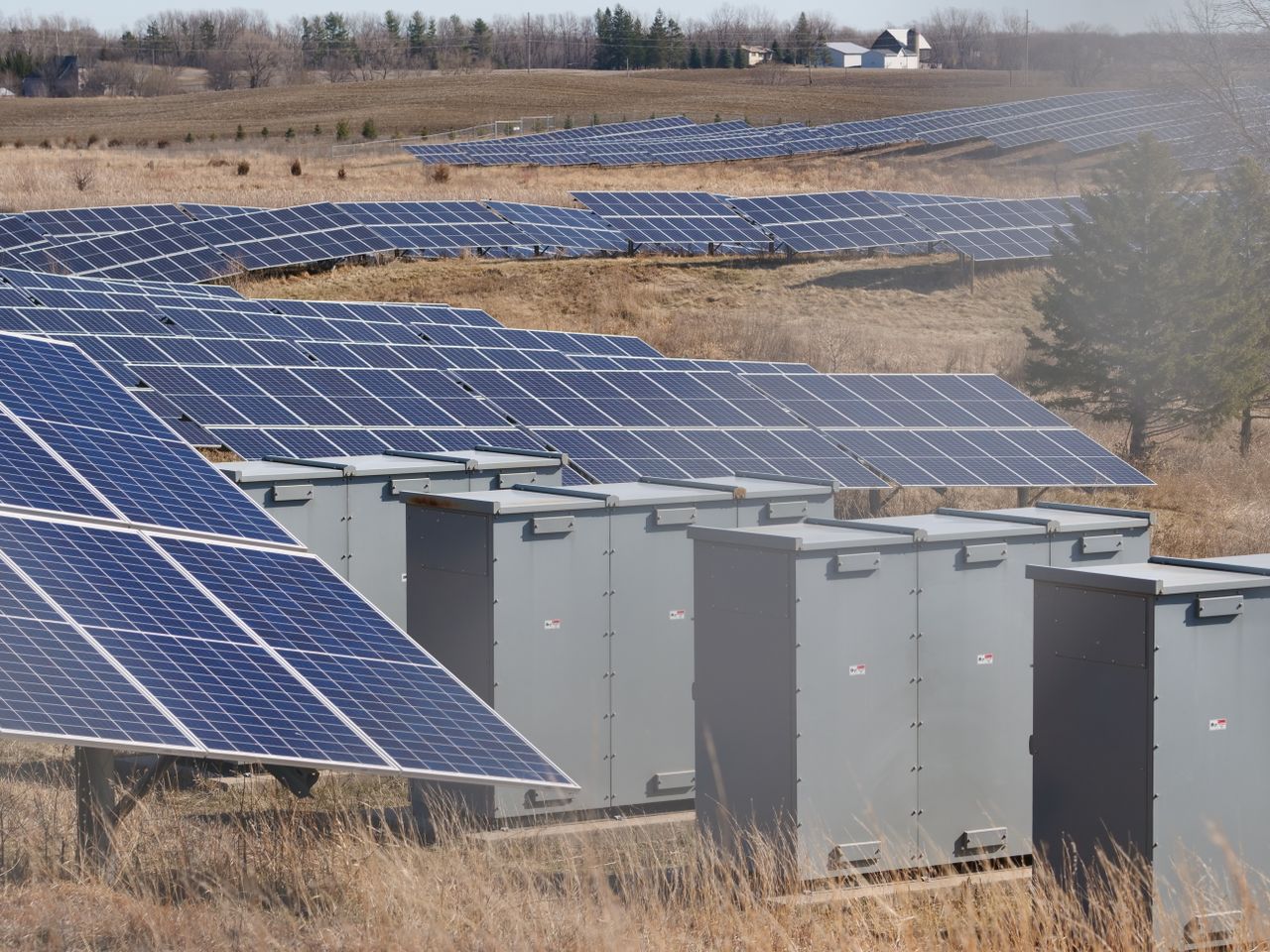
The Netherlands generates more solar per capita than any other EU country, but remains reliant on gas
Anchor point: Overview


In 2025, for the first time, wind and solar generated more electricity than all fossil sources combined in the Netherlands.
The Netherlands’s largest source of clean electricity is wind (25%). Its share of wind and solar (46%) is above the EU average (30%).
The Netherlands relied on fossil fuels, mostly gas, for 46% of its electricity in 2025. Its emissions per capita of 1.9 tonnes of CO2e were above the EU average of 1.3 tonnes of CO2e. It ranked 36th for electricity demand globally in 2024.
The Netherlands’s power sector emissions fell by a third over the last two decades due to strong growth in wind and solar replacing fossil fuels.
As of 1 January 2026, The Netherlands was aiming for 75% of renewable electricity generation and 50 GW of renewable capacity by 2030. For the country’s latest renewables targets, see our 2030 Global Renewable Target Tracker.
Anchor point: Data
Anchor point: Insights
Latest insights from the region


Related countries and regions
Record renewables propel the world towards a new era of falling fossil generation
Following the 2023 nuclear energy phase-out, renewables accounted for all of Germany’s low-carbon generation in 2024.

France’s power sector emissions fell in the last two decades due to growth in solar and wind replacing fossil fuels.

Poland’s power sector emissions fell in the last decade, as wind and solar began to grow and coal generation entered its decline.

The European Union (EU) is now responsible for 4% of annual global power sector emissions, down from 13% two decades ago.