

The EU’s steel industry and its methane problem
4 Mar 2025
6 Minutes Read

Methane’s role in steel production
Most discussions about steel’s environmental impact focus on its carbon dioxide emissions, yet methane is a significant, but often-overlooked source of additional emissions.
The EU steel industry is still heavily reliant on coking coal rather than coal-free methods. Around 55% of EU steel is produced via the blast-furnace route, where coke, made by carburising coking coal, is primarily used as both an essential fuel and a reducing agent of iron ore. Depending on operating efficiency and coal quality, it is estimated that 1.3 to 1.5 tons of coking coal are required per ton of coke (0.56 tons coking coal per ton crude steel). This makes the steel industry a dominant consumer of coking coal, accounting for 75% of global coking coal usage.
According to UN data, in 2023 the EU mined 12.5 million tonnes of coking coal, releasing approximately 250,000 tonnes of methane emissions. The same year, the EU imported 32 million tonnes of coking coal which Ember estimates released around 306,000 tonnes of methane.
In 2023, the iron and steel industrial sector was already the EU’s largest industrial CO2 emitter. Including the short term warming impact of the methane released from both EU-mined and imported coking coal adds a staggering 46 million tonnes of CO2e, and 32% to the steel sector’s overall warming effect.
The EU methane regulation is missing an opportunity
The EU Methane Regulation introduced robust monitoring, reporting, and verification (MRV) requirements for methane emissions and placed new restrictions on venting from thermal coal mines. However, despite data showing that coking coal mines emit more methane per tonne than thermal coal mines, policymakers postponed setting methane limits for coking coal until 2027.
The reason partially lies in political pushback. During negotiations, Poland, Europe’s largest coking coal producer, vocally opposed the coal sections of the proposed Regulation. Polish MEPs and MPs fought to relax the regulation for coal mines.
Imported coking coal
The regulatory gaps are not just a domestic issue, they also extend to the EU’s handling of imported coking coal. While EU coal producers will eventually be held to some standards, whether foreign coal suppliers will face the same requirements has also not been established.
Starting in May, EU coal importers will need to report on their products’ methane intensity, requiring emissions data collection from partners overseas. Imported coal will have to achieve a maximum methane intensity, established by the EU by 2030, or face additional fees.
Although promising, the approach lacks immediate enforcement. It means that for at least the next five years, the steel industry can continue importing high-methane coal with no consequences. Given the EU’s commitment to tackling methane emissions, and accelerating the decarbonisation of energy-intensive industries, this loophole undermines its broader climate goals.
Policy for clean steel
The EU’s focus on the decarbonisation of the steel industry is a vital part of reaching its climate targets. However, research by Influence Map has found major industry players lobbying to weaken EU climate ambitions, making it clear that the industry will need some policy incentives to speed up the transition.
Whilst the industry continues to use coking coal, capturing and destroying or using the methane at coal mines should be normalised. Underground coal mines can capture and reduce methane emissions using well-established technologies such as Regenerative Thermal Oxidisers. The cost is around 230 euros per tonne of methane, a fraction of the social cost of methane, which is estimated at $1500-$1940 per tonne in the US and Australia.
In comparison to steel prices, it’s even more striking, over a decade, the cost of mitigating methane emissions from coal mining would amount to less than 1% of the price of steel production.
As the EU ramps up momentum for industrial decarbonisation, overlooking regulating coking coal emissions is overlooking a low hanging fruit of emissions reductions. With the Methane Regulation already in place and the technology to mitigate coal mine methane readily available, the EU must establish ambitious methane intensity limits for coking coal, or it risks undermining its credibility in its transition to climate neutrality and industrial competitiveness.
Supporting materials
Acknowledgements
Header photo
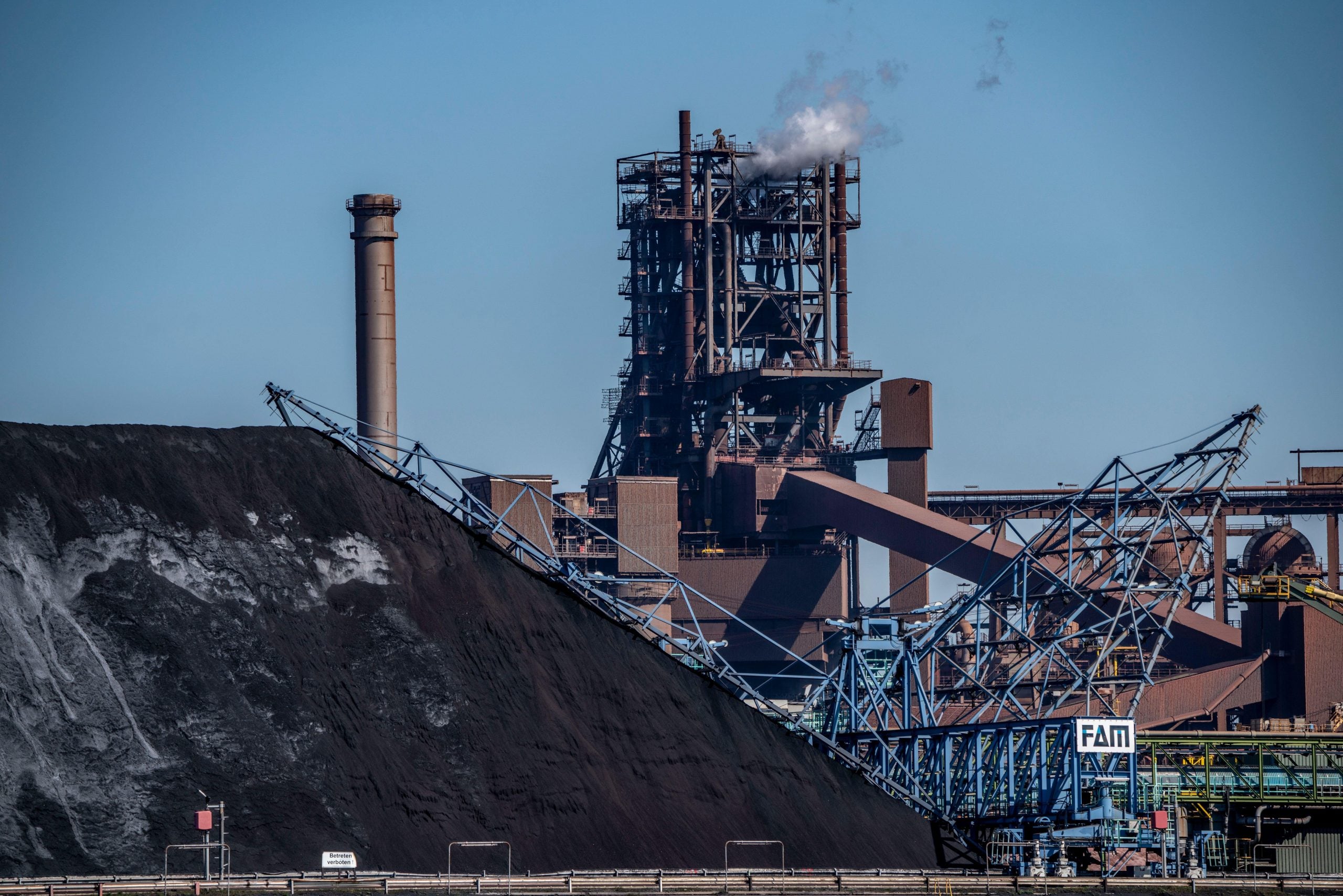
ThyssenKrupp steel mill in Duisburg, Germany, featuring the Schwelgern 2 blast furnace and coking plant.
Credit: Jochen Tack / Alamy Stock Photo
Related Content
Commentary
Why it’s time for a strategic reset on negative emissions
05 May 2026
Commentary
All energy is equal but some sources are more equal than others
25 February 2026

Commentary
Highlights of the global energy transition in 2025
17 December 2025
Commentary
Ignore the fossil noise, the electrotech revolution is happening
12 November 2025