Key takeaways
Turbocharging grids to develop the market for renewables
To tap into a greater renewable energy market, ASEAN must emphasise future-ready grid development planning.
With the rise of clean energy technologies, renewables in the region are set to grow exponentially to meet increasing demand. There is no better time than now for ASEAN member countries to focus on stronger grids to keep pace with competition for foreign investments with requirements for clean energy, namely modernisation, expansion, adoption of flexibility options, regional integration, market reforms, and mobilisation of finance. Additionally, ASEAN’s commitment to ensure all member countries grow together means market-level development in the renewable energy sector is fuelling larger demand for interconnections.
Sharing of renewable energy resources will happen at a more rapid pace in the future. Grids and interconnections, as enablers of these evolving dynamics, will bring cost reduction potential, faster net-zero emission vision, enhance energy security, attract more investment and create more jobs. As ASEAN moves toward deeper regional energy integration, prioritising grid infrastructure and political solutions will be essential to unlocking new opportunities and ensuring a more interconnected and resilient power system.
Beyond physical infrastructure, enabling data sharing across the region—while maintaining strong privacy protections—will be crucial for advancing innovative business models, streamlining bureaucratic processes and attracting new investment.
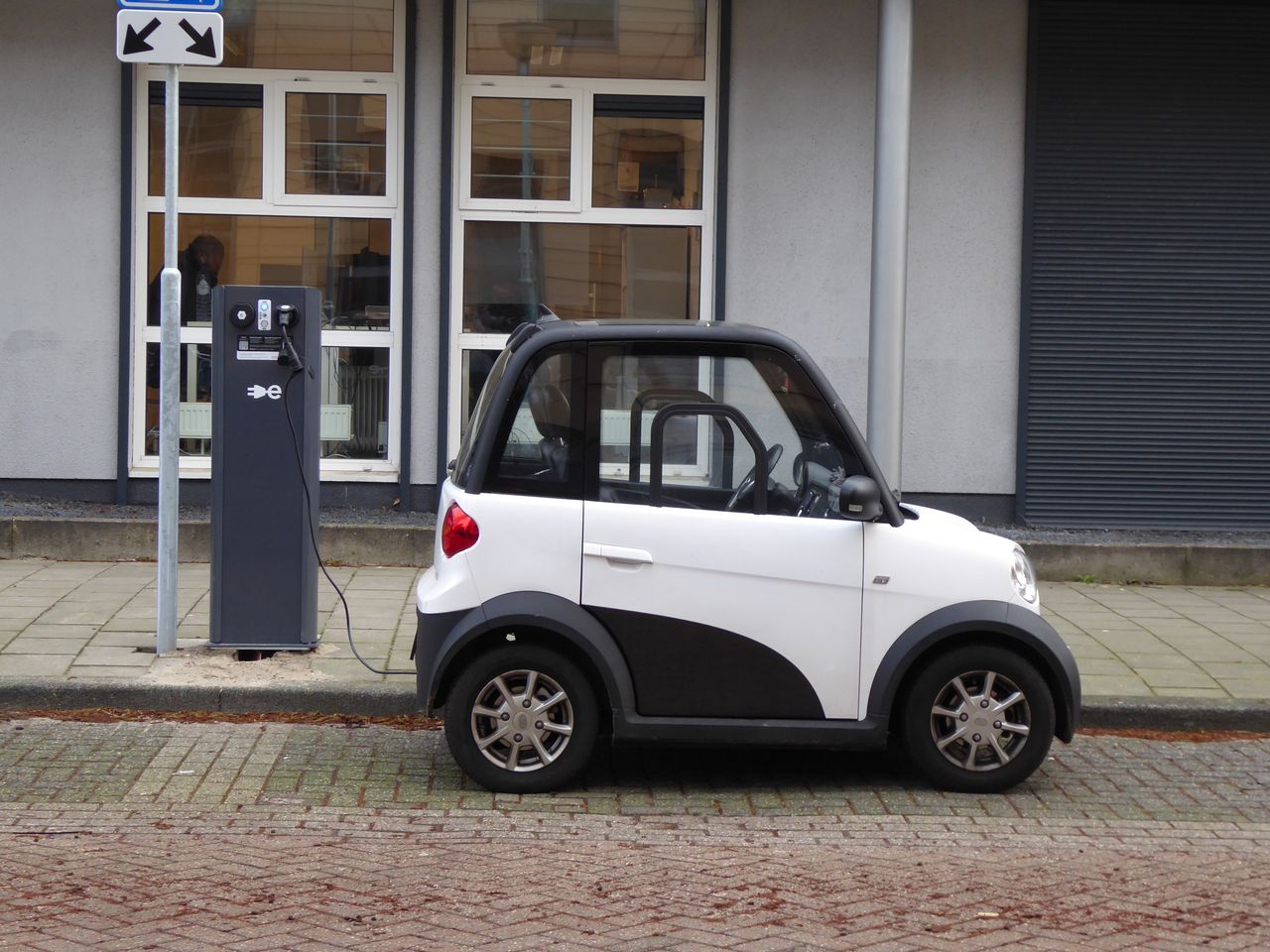
Another critical area often overlooked is the implications of electrification, particularly the infrastructure needed for electric vehicle (EV) charging. Building strong incentives for operators to use green energy could accelerate grid modernisation efforts, making the system more flexible and capable of handling growing electricity demand.
Ultimately, aligning grid investments with the evolving energy landscape will be key to ASEAN’s transition toward a more sustainable, efficient and competitive power system.

Related Content