
Ember’s work on Europe focuses on tracking the region’s progress toward a fully clean power system, driven by wind and solar growth, including in the UK, EU and Türkiye. Our research also explores the benefits and challenges of the energy transition, aiming to showcase success stories with clear data, and provide evidence-based solutions to change policy for the better. Grid infrastructure is a key bottleneck for Europe, and an area where Ember contributes unique data and insight. Beyond the power sector, a growing area of work centres on electrification as the key solution to reduce Europe’s fossil fuel import dependency and improve security. Finally, our coal mine methane programme exposes the silent but severe climate impact of Europe’s coal mining past.
Europe
Continued but uneven progress towards clean power, with frontrunners showing what’s possible
Anchor point: Overview


61% of Europe’s electricity was generated from clean sources last year, above the global average of 43%.
Fossil fuels are in decline across much of Europe, with 61% of electricity now coming from clean power, including 20% from nuclear, 16% from hydro and 21% from fast-growing wind and solar.
The countries with the highest shares of solar and wind power in the world are almost all in Europe. Nine of the top ten countries for solar power share are in Europe, and the same is true for wind. Hungary generates 27% of its power using solar, and Denmark generates 58% using wind – both the highest in the world.
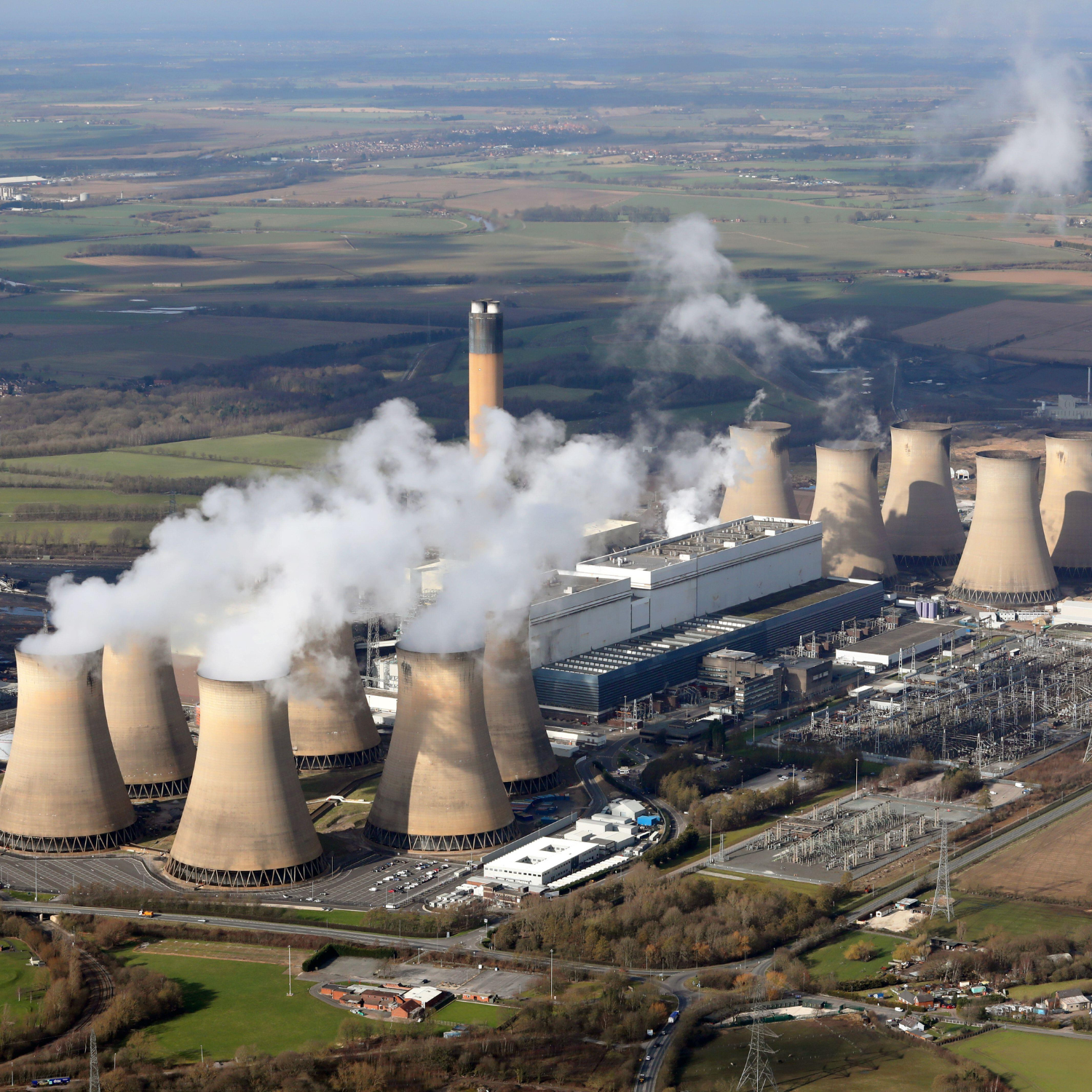
Electricity generated from coal has fallen by 42% since 2015, and now makes up just 13% of the electricity mix, having been mostly replaced by wind and solar. Overall, fossil fuels currently account for 39% of electricity production. Europe is responsible for 10% of global power sector emissions, down from 21% two decades ago, with the largest polluters Russia, Türkiye, Germany, Poland and Italy responsible for over two-thirds of these emissions.
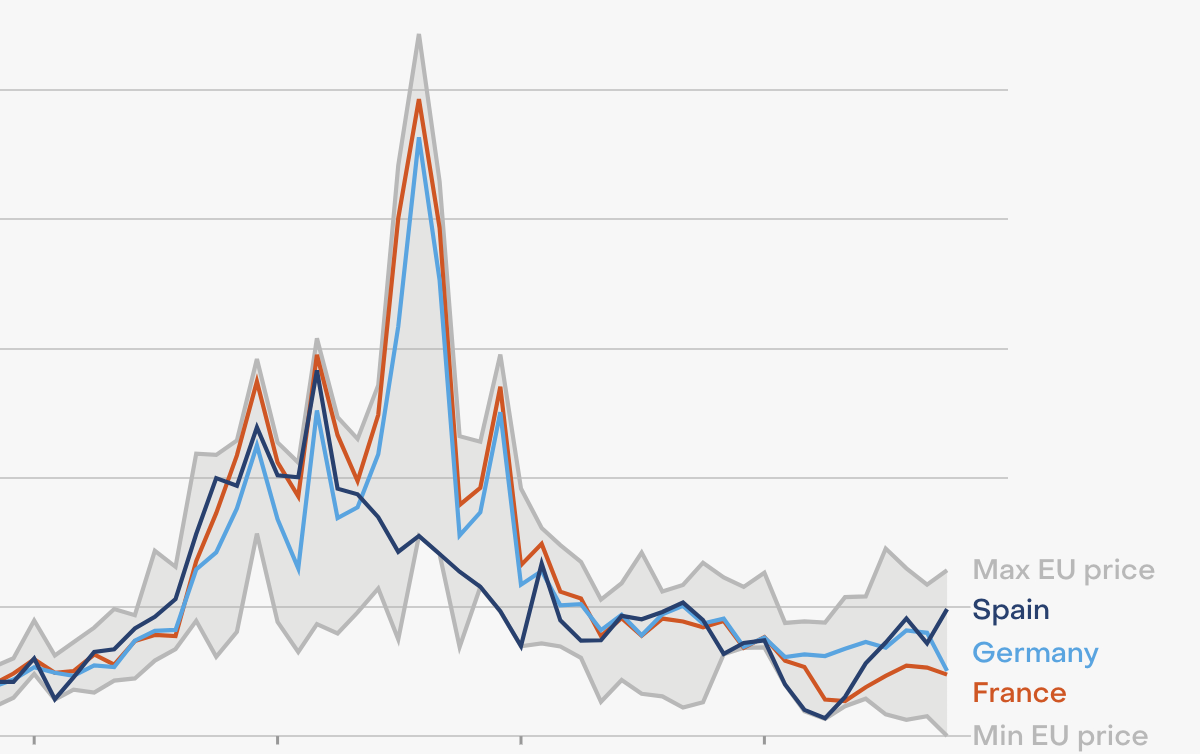
Most European countries are fossil fuel importers, and as such are particularly impacted by international fossil fuel price spikes, which are becoming more frequent in a less stable world. This has encouraged some governments to accelerate their transition away from both gas and oil for energy security and competitiveness reasons, meaning clean technologies are expanding rapidly, particularly solar power and electric vehicles.
Power sector ambition is generally high across the continent as ever higher levels of clean power prove reliable and cost-effective. The European G7 members (Italy, UK, France and Germany) have pledged to predominantly decarbonise their power sectors by 2035, and have been joined in this commitment by Austria, Belgium, Luxembourg, the Netherlands and Switzerland. The UK has gone further, with a world-leading commitment to reach (95%) clean power by 2030.
Still, further clarity is needed on plans to phase-out fossil power, and how to unleash the potential of electric technologies to reduce fossil consumption outside the power sector. To accommodate this coming wave of clean electrification, the continent’s vast but ageing grid requires urgent modernisation.
Anchor point: Data
Explore Europe’s energy data



Anchor point: Our work
Our work
European countries are showing the world that clean power can be relied upon at ever-increasing levels. Wind and solar growth are delivering benefits to Europe through avoided costs and shielding from fossil price spikes. The technologies are ready to drive fossil fuels further out of European energy – from battery storage to heat pumps. However, better plans are needed to finish the job with clean power and catch up in the global race to electrify. Modernising Europe’s world-leading but ageing grid is an urgent priority.


Flagship report
European Electricity Review 2026
Ember’s analysis of the EU electricity transition in 2025: what happened, and what to expect?
Read our EU review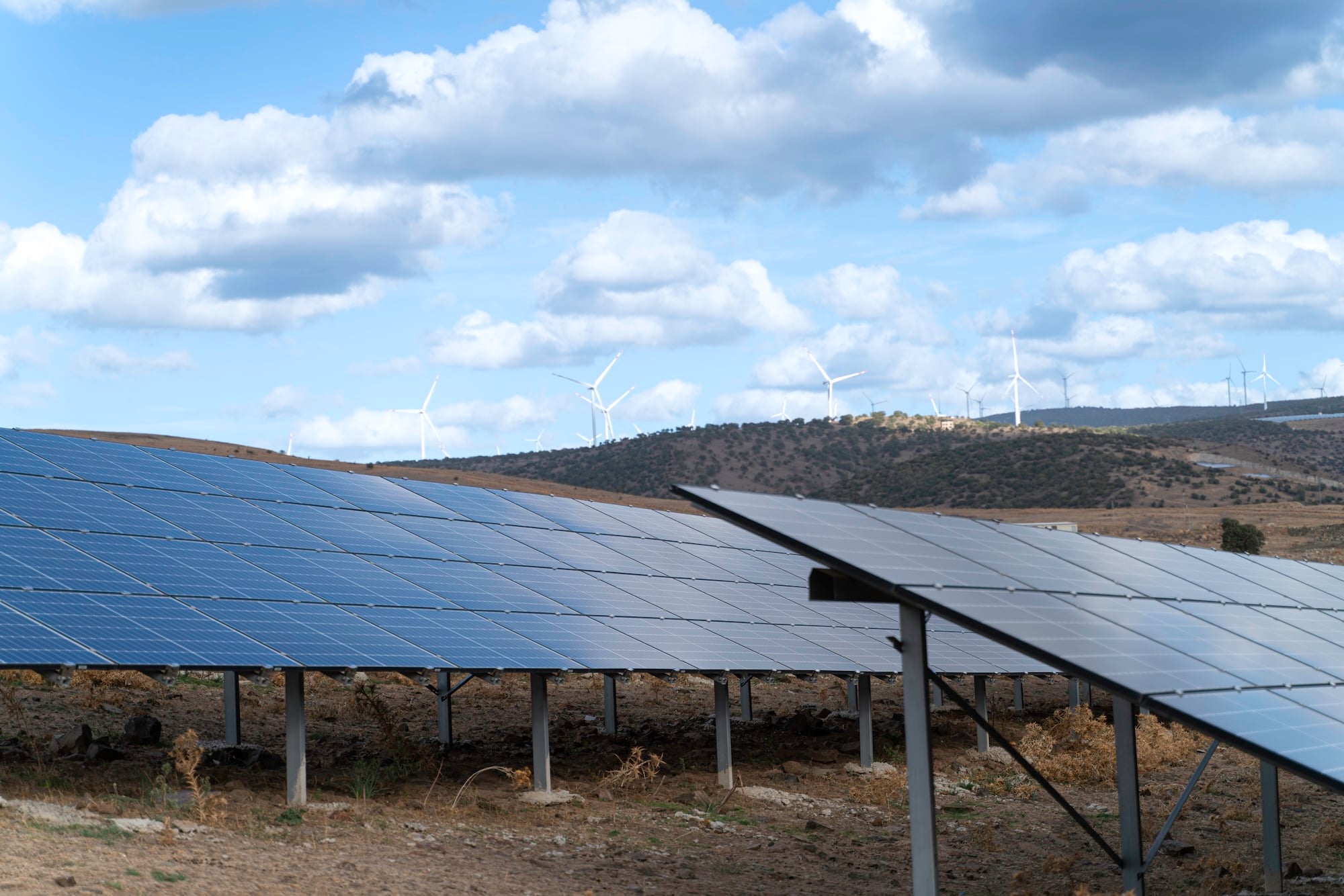
Latest insights for Europe


Anchor point: Experts