

European Electricity Review 2026
The EU’s electricity transition reached a new milestone in 2025 with wind and solar generating more power than fossil fuels.
22 Jan 2026
34 Minutes Read

Table of Contents
Executive summary
Read
+
1
2025 at a glance
Read Chapter
Policy recommendations
Read
Supporting materials
Read
Highlights
30%
Wind and solar generated a record 30% of EU electricity, higher than fossil power for the first time on record.
369 TWh
EU solar generation reached a record 369 TWh in 2025, 20% higher than last year.
14
In 2025 wind and solar generated more electricity than fossil fuels in 14 of the 27 EU countries.

Executive summary
A major milestone in the EU’s transition to clean power
In 2025, the EU took an enormous step forward towards a clean power system backed by wind and solar. For the first time, wind and solar produced more electricity than fossil fuels in the EU. Homegrown renewables remained nearly half of EU power, as record-breaking solar worked in tandem with wind.
In 2025, the EU’s energy priorities focused on cutting energy costs for households and businesses. The European Commission’s Affordable Energy Action Plan correctly diagnoses the root cause of Europe’s high energy prices: its dependence on costly imported fossil fuels. In the power sector, coal is nearly on its way out, reaching a new historic low in 2025 after years of steep decline. However, the EU is still significantly dependent on gas. An increase in gas generation amid a decline in hydro in 2025 pushed up the EU’s fossil gas import bill by 16% and led to price spikes in electricity markets.
The stakes of the EU continuing to make progress on energy transition remain starkly clear. For the EU, risks of energy blackmail from fossil fuel exporters loomed large in 2025. Investing in homegrown renewables is a key strategy to lower that risk, as geopolitics continue to destabilise.
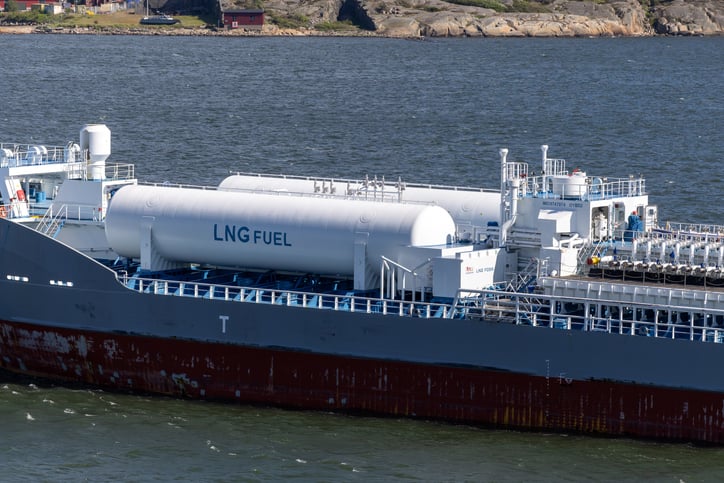
The EU agreed on legislation to ban imports of Russian gas by the end of 2027 in December 2025. However, new fossil dependencies have emerged with a rise in imported US LNG. Heavy reliance on a single supplier threatens EU security and weakens bargaining power in geopolitical negotiations and trade disputes.
Expanding batteries, enhancing the grid and scaling up demand flexibility can unlock greater shares of solar and wind in the mix. Not only will this improve security, they are also crucial to ensure predictable and stable prices.
Key takeaways
01
Wind and solar generated more power than fossil fuels in 2025
Wind and solar reached 30% of EU electricity, higher than fossil power (29%) for the first time on record, and up from 20% just five years prior. By 2025 wind and solar generated more power than all fossil sources in 14 of the 27 EU countries.
02
Solar’s astounding growth continues across the EU
Solar generated more EU power than ever before in 2025 (369 TWh), growing by more than 20% for the fourth year running to 13% of EU electricity, higher than coal and hydro. Solar grew in every EU country and accounted for more than a fifth of electricity in Hungary, Cyprus, Greece, Spain and the Netherlands.
03
Renewables provided nearly half of EU power
Early 2025 was less windy and rainy but sunnier than early 2024. The same weather conditions that caused an annual drop in hydro (-12%) and wind (-2%) boosted solar generation, with renewables providing nearly half of EU power (48%). Wind remained the second largest EU electricity source at 17% of EU power, above gas.
04
Gas increased in the EU, driving prices up
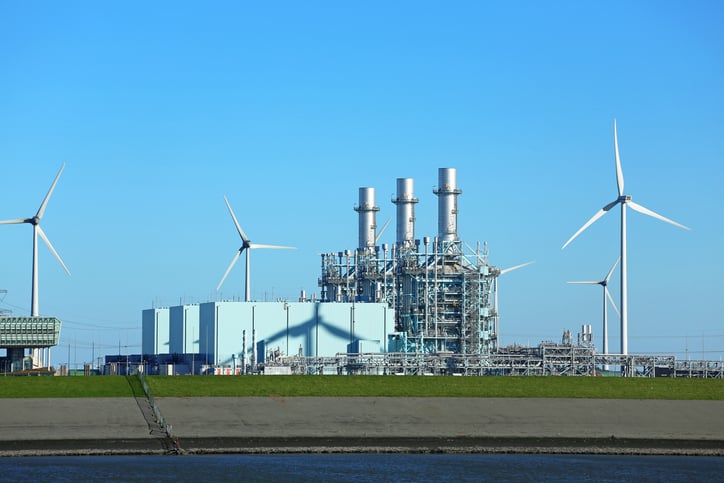
Gas generation rose by 8% compared to 2024, largely due to reduced hydro output. This pushed the EU power sector’s gas import bill up to €32 billion — 16% higher than the previous year. Price spikes during peak gas-use hours drove the annual increase in wholesale electricity prices across 21 EU countries in 2025.
05
Coal is increasingly marginal in the EU
Coal power fell to a new historic low of 9.2%. In 19 EU countries, coal power is at less than 5%. Over the past decade the reduction in coal was not matched by an equal increase in gas or other fossil fuels.
06
The surging battery pipeline can limit the EU’s costly gas use
Battery deployment accelerated significantly in 2025, with grid-scale projects announced across the EU. With this acceleration, batteries’ role in meeting evening demand could rapidly grow, reducing reliance on fossil generators and lowering wholesale prices when electricity is in high demand.
This milestone moment shows just how quickly things are changing in the EU’s power sector. Wind and solar generated more of the EU’s electricity than fossil fuels for the first time in 2025, providing nearly a third of power. The next challenge will be to put a serious dent in the EU’s reliance on expensive, imported gas. By investing across the power system to harness the potential of batteries, grids and electrified tech, the EU can make use of homegrown renewable power to stabilise prices and insure against energy blackmail.