About
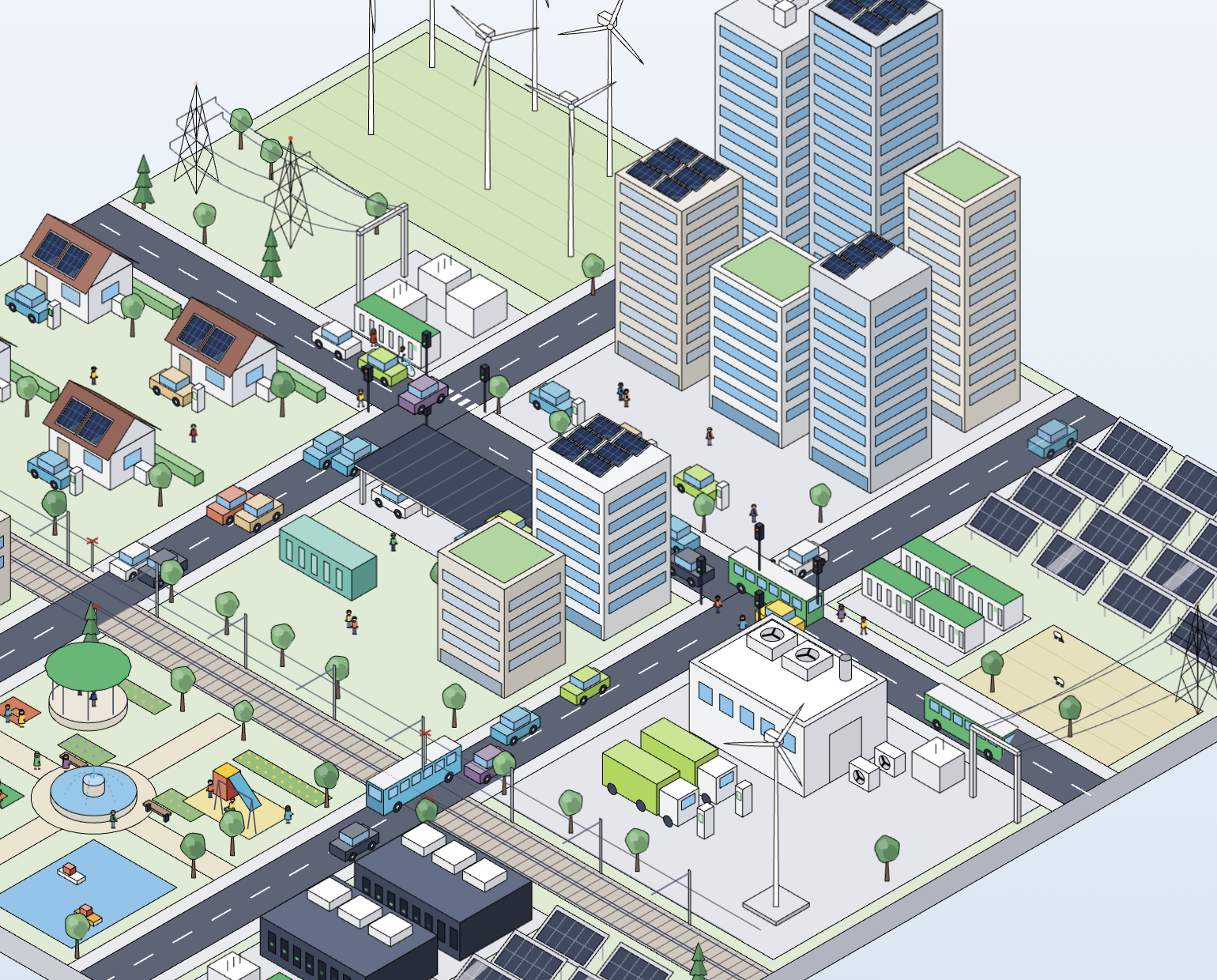
Modern power grids carry wind and solar power to an electrified economy. This Ember guide explains how a modern grid works and sets out 17 solutions to deliver it by optimising, reinforcing and expanding it, comparing solutions by how fast and costly each is to deliver. This guide was developed through expert interviews with industry stakeholders as well as input from Ember’s global team of analysts.
FAQs
What is grid modernisation?
Grid modernisation means investing in power grids so they can carry more wind and solar power, handle two-way power flows and meet new types of demand. Ember’s guide sets out 17 solutions to modernise an electricity grid no longer fit-for-purpose in the categories ‘optimise’, ‘reinforce’ and ‘expand.’ These include digitalisation, smart technology, improvements to cybersecurity, upgrades to existing lines and substations and targeted expansion where new capacity is needed.
Why do we need to invest in power grids now?
Power grids need investment because most were built for an old system, where a few large coal or gas plants sent power one way to consumers. A system with high shares of wind and solar, battery storage and other kinds of clean flexibility and electrification and rapidly expanding data centres needs a grid that handles two-way power flows and new types of demand and meets cybersecurity requirements. Investing now will attract the AI, industry and investments that come next.
What does electrification mean for power grids?
Electrification means that heating, transport and industry switch from burning fossil fuels to using electricity, which creates new demand that power grids must support. Every new electric vehicle charger, heat pump, and data centre interacts with the grid. A flexible, digital grid can accommodate them faster and make better use of existing lines with less investment needed.
Which grid solutions are fastest and cheapest?
In Ember’s comparison, carrying more power on existing lines and steering power around bottlenecks are the fastest, lowest-cost grid solutions. Sensors and automatic protection schemes (intertrip) let operators run existing lines closer to their limits, while add-on devices and smarter switching move power onto lines with spare capacity. New transmission lines, high-voltage direct current (HVDC) links and interconnectors take the longest and tend to cost the most.
What is the age of power?
The age of power is the global technological shift underway of electrification of information and energy: where economies shift their energy supply away from fossil fuels to electricity.
Acknowledgements
Authors
Infographic by Reynaldo Dizon, Elisabeth Cremona and Ali Candlin
Contributors
Thank you to the experts on grids across various organisations who offered their time and expertise in informational interviews to inform the content of this piece.
Thanks to Chelsea Bruce-Lockhart, Patricia Angkiriwang, Rini Sucahyo and Tito Das for reviewing and additional support. Digital support and materials by Sachin Sreejith.
Thanks to our wider team for input and consultation: Alnie Demoral, Duttatreya Das, Lam Pham, and Kostantsa Rangelova.
AI disclosure
Design and art direction by Reynaldo Dizon. Illustrations originally human-crafted, enhanced with AI. Code produced using AI assistance with human review and oversight throughout.
Content human-crafted by expert interviews and research. AI was used to refine writing, with human drafting, review and oversight by the authors.
As per Ember’s AI use policy, responsibility for the quality and accuracy of the output lies with the author.
Latest insights on grids and interconnection

Related Content