EU coal mines still vent methane꞉ satellite findings from Poland | Ember

EU coal mines still vent methane: satellite findings from Poland

A satellite-based analysis reveals Polish coal mines as the EU’s most frequent fossil fuel methane super-emitters in 2025, and suggests continued methane emissions from drainage systems at underground coal mines despite new EU regulations.

Available in: Polski

11 Feb 2026
29 Minutes Read
Download PDF
  • In 2025, 96% of methane plumes (109 out of 114 plumes analysed) over onshore European energy infrastructure were traced to Polish coal mines, making Poland the most frequent fossil fuel methane super-emitter in the EU. 
  • 5 out of 22 drainage systems in Polish coal mines were observed venting methane in 2025, despite the EU ban. This is especially alarming given that no systems for verification or penalties are in place.
  • Methane reportedly vented from drainage systems – if captured – could keep 14.5 million Polish houses warm for a week. In 2024, Polish coal mines used 70% of captured drainage methane, emitting 57,000 unutilised tonnes to the atmosphere. This drainage gas, rich in methane, could instead be used as an energy source.
  • The EU Methane Regulation will only deliver meaningful emission cuts if it is effectively enforced. Independent verification of emissions and dissuasive penalties for non-compliance are essential to ensure the effective implementation of the EU-MER.

Satellites have ended the era of invisible methane emissions. With high-resolution imagery now publicly available, independent verification is within reach. The detection of persistent methane emissions from drainage systems in Poland in 2025 exposes a risk of non-compliance under the EU Methane Regulation. It shows that the regulation needs real teeth: rigorous monitoring and meaningful penalties to deliver significant emission cuts.

EU Methane Regulation prohibits venting from drainage systems

Methane is an important but often overlooked greenhouse gas contributing to climate change, and coal remains the largest source of methane emissions in the EU energy sector. Since January 2025, the EU Methane Regulation has banned the routine venting of methane from coal mine drainage systems. However, without national penalty frameworks, the regulation is unlikely to be effective, underscoring the need for Member States to put effective penalty regimes in place.


Coal remains the largest source of fossil methane emissions in the EU, despite available abatement options

Methane is produced during the formation of coal. When coal is mined, this methane is released into the atmosphere, and emissions continue for decades after mining activities have stopped.

According to UNFCCC reporting, in 2023, the EU’s coal mining activities emitted 783.6 thousand tonnes (kt) of methane, accounting for 60% of the EU energy sector’s methane emissions.

Excluding closed or abandoned coal mines, the IEA estimates that 62% of the EU’s coal mine methane emissions could be technically abated by 2030, with the majority – 94% – originating from Polish coal mines.

Since January 2025, routine methane venting has been banned in the EU

The EU Methane Regulation approved, on June 13, 2024, aims to limit methane emissions from the energy sector.

For the coal sector, it requires EU countries to adopt stringent monitoring, reporting and verification (MRV) systems for methane emissions. The regulation also mandates mitigation measures for coal operators, including both active and closed or abandoned underground coal mines.

Active underground coal mines emit methane from two main sources: drainage (or degasification) systems and ventilation air shafts.

Drainage systems capture methane directly from the coal seams before it can leak into the mine’s air shafts. The captured gas generally has a high concentration of methane, and once brought to the surface, it is either vented, flared, or used to generate electricity and/or heat. 

Since January 2025, the EU Methane Regulation has prohibited the operational venting of methane from drainage systems. Operators are therefore required to either utilise the drainage gas or flare it with a destruction and removal efficiency of at least 99%. 

Exceptions apply in cases of emergency, malfunction, or when venting is unavoidable for maintenance. If such venting occurs, the operator must notify the competent authorities within 48 hours of the start of the event or when the operator becomes aware of it.


Delayed penalty frameworks undermine methane regulation compliance

Since the EU Methane Regulation entered into force, its provisions are directly applicable across all EU Member States, and all operators covered by the regulation are legally required to comply.

However, practical enforcement remains uncertain until each Member State adopts its own penalty framework, the deadline for which was 5 August 2025.

To date, several Member States have submitted their penalty or draft penalty frameworks, including coal methane emitters such as Czechia and Romania. Poland – the EU’s largest coal mine methane emitter – has not.

Poland’s coal mines remain the most persistent source of methane emissions in the EU energy sector

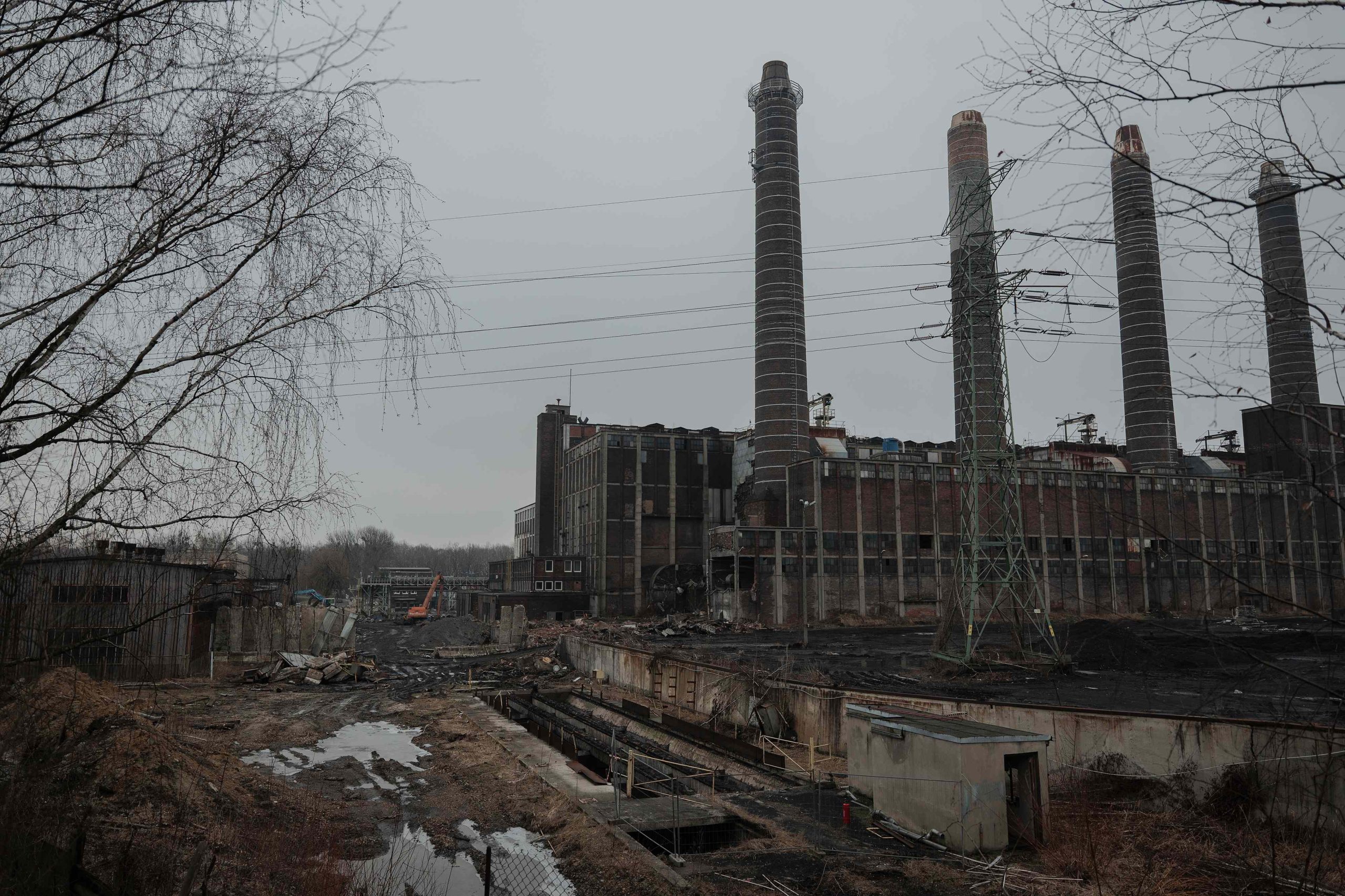
In 2025, Polish coal mines were identified as the most frequent methane super-emitter observed in the EU energy sector. Despite the EU Methane Regulation prohibiting the venting of methane from drainage systems, new satellite evidence shows that methane venting continues across several sites in Poland.


Coal mines are the most frequently observed source of methane super-emitter events in the EU’s energy sector

Ember analysed high resolution point source satellite data from ten sensors, three of which identified methane super-emitter events from the EU energy sector in 2025. 

From this data, Poland’s coal mining industry was the most persistent methane emitter in the EU. In 2025, 96% of all methane plumes (109 out of 114) detected over onshore European energy infrastructure were traced to Polish coal mines.

Methane emissions from coal averaged around 1,480 kg/h, with 19 plumes exceeding 2,000 kg/h – more than double the emission rates observed in EU oil and gas operations (~560 kg/h). Detected values ranged from approximately 120 kg/h up to 7560 kg/h, illustrating a spectrum from relatively small releases to major, high-volume events.

The results reflect emission events within the targeted areas, and detection limits of the sensors used in this analysis. Emissions that fall outside of the observation area,  or fall below sensor sensitivity would not have been captured in this analysis.

Coking coal is responsible for the majority of super-emitter events

While thermal coal is used for power generation, coking coal is used for steelmaking. According to data from Eurostat, Poland supplies approximately one-fifth of the EU’s coking coal requirements. 

Ember analysis finds that coking coal mines accounted for 90 out of 109 of the observed methane releases in 2025, despite representing only 25% of total hard coal production in Poland.

On average, the detected releases from coking coal mines exceed 1,000 kilograms of methane per hour, with the largest single event releasing 7,557 kg/h. An emission of that size has the same short-term climate impact as roughly 117,000 cars driving for one hour.

These findings highlight the urgent need to set strict methane reduction targets also for coking coal mines by 2027.

Five drainage systems in Poland observed venting methane in 2025 despite the ban

Ember’s analysis shows that, out of 22 Polish drainage systems investigated, five are likely to have vented methane in 2025. These detections represent only emissions observed during satellite overpasses, meaning additional venting may have occurred outside observation times and therefore went undetected.

The emissions were sometimes persistent, with emission plumes observed once at Pniówek coal mine, three times at Jankowice and Marcel organizational units of ROW mine, three at Borynia (Borynia-Zofiówka mine) and twice at Szczygłowice (Knurów-Szczygłowice mine). Notably, emissions attributed to drainage systems originated both from coking (six emission plumes) and thermal (six emission plumes) coal operations. The persistence of emissions may indicate ongoing methane release rather than isolated events.

Attribution of emissions to specific drainage systems varies in certainty depending on several factors, including proximity to other methane sources, wind direction during satellite image acquisition and emission rate. Confidence levels in these attributions are determined following manual verification. One-third of these emission events (4 of 12) were attributed with high confidence to drainage systems.

The remaining eight emission events were attributed to drainage systems with medium to low confidence due to the presence of several potential coal mine sources within Tanager’s stated geolocation accuracy. Additional information can be found in the Methodology.

Methane vented from drainage systems, if captured, could keep 14.5 million Polish houses warm for a week

Gas emitted by drainage systems generally has a high concentration of methane, which can be captured and utilized. In Germany, over 100 thousand tonnes of methane captured from closed coal mines in 2020 provided 544 GWh of electricity and 108 GWh of heat.

According to data compiled by Instrat from the State Mining Authority (WUG), Polish coal mines reportedly utilised 70% of the methane captured by drainage systems in 2024, emitting 57 thousand unutilised tonnes of methane to the atmosphere.

If the emitted gas had been captured, it could have provided enough energy to cover around one week of average annual household heating demand for approximately 14.5 million Polish households, based on national average heating energy use.


Poland still lacks verification and penalty frameworks

Poland’s competent authority, the State Mining Authority (WUG), should have been notified without delay after any methane venting event at drainage systems and at the latest within 48 hours from the start of the event or the moment the operator became aware of it. While this information is required to be made public on an annual basis, to the best of the authors’ knowledge no such data have been published to date.

In addition, reports submitted by the Polish mining companies have not been independently verified, as required by the August 5, 2025 deadline.

These gaps underscore the importance of adopting sanctions. Poland has not notified the European Commission of their rules on penalties for infringements by the required deadline of 5 August 2025, and, in the absence of an established and enforced sanctions regime, operators are unlikely to face consequences for non-compliance.

Recommendations

As a leader of the Global Methane Pledge, the EU has committed to measuring and reducing methane emissions, which requires robust monitoring and mitigation efforts. While the EU Methane Regulation represents the first comprehensive methane framework of its kind globally, it will achieve meaningful emission reductions only if it is fully implemented and consistently enforced across all Member States.


Enforce compliance with dissuasive penalties

Member States are responsible for defining their own penalties, which must be “effective, proportionate and dissuasive.” Without an EU-wide methane fee or uniform penalty structure, the level and impact of sanctions will vary between countries. 

To ensure meaningful mitigation at coal mines, penalties need to be sufficiently high to incentivise action. An analysis by the Ecologic Institute proposes a reference value of €6,000 per tonne of methane.


Establish independent emissions verification

Ember recommends that the EU establish a comprehensive emissions verification system for coal mines, including clear, harmonised guidelines for Member States that define what verification entails, set minimum data requirements, specify acceptable methodologies and determine verification frequency. 

The locations of emissions from coal mines are well known, and combining periodic top-down (aerial, satellite, etc.) monitoring with on-the-ground checks would help validate company-reported data and ensure that operators remain compliant.


Incorporation of high resolution satellite imagery

The increase in international investment in satellite technology means that remote methane monitoring technologies are continuously and rapidly improving. Recent satellites, as well as those currently in development, offer higher spatial resolutions, more frequent coverage and improved detection thresholds. Third parties should utilise this enhanced capability to independently verify emissions.

Much of this data is now publicly available, creating an opportunity for a wider range of actors to independently verify emissions.

High-resolution satellite imagery has already proven effective at detecting elevated methane concentrations linked to major emission events at coal mine facilities. On 22 January 2025, a fatal methane explosion occurred at the Szczygłowice (Knurów-Szczygłowice coal mine) in Poland, which was detected by the Tanager-1 satellite – demonstrating the practical value of satellite data for rapid detection and verification.

Supporting materials

Acknowledgements

Cover image credit: Alfredo Bosco/Ronin

Authors: Sabina Assan and Adomas Liepa

Data Visualisation: Reynaldo Dizon

Editors: Izabela Urbańska

Other contributors: Rebekah Horner, Yu-Ting Chang, Dody Setiawan, Rajasekhar Modadugu, Sougol Aghdasi, Jarosław Nęcki [AGH University of Kraków] and Greenpeace Polska

Peer Reviewers: Zuzanna Charkowska [Instrat], Daniel Cusworth & Daniel Bon [Carbon Mapper], Katarzyna Leśko & Bartosz Kwiatkowski [Frank Bold], Julia Solana, Tommaso Di Gioacchino and Andrea Macarulla [Center for Climate Crime Analysis]

Glossary

Regulation on emissions from ventilation air shafts

The methane that is not captured by drainage systems leaks into mine workings. To avoid a build up of methane underground which creates an explosion risk, air is pumped through ventilation air shafts to remove methane from underground and vented it to the atmosphere.

Under the EU Methane Regulation, coal mines can continue to emit methane through ventilation air shafts. Thermal coal mines will face a limit on the amount of methane that can be emitted per tonne of coal produced starting in 2027, while the threshold for coking coal mines is still to be negotiated. 

Cost-effective measures for destroying ventilation air methane already exist. Coal mines can deploy regenerative thermal oxidisers (RTO) to remove methane with 98% efficiency.

Closed and abandoned coal mines

After an underground coal mine ceases operations, methane emissions continue to seep from the old mine workings and surrounding strata. If a mine is not sealed or flooded, methane will continue to be emitted into the atmosphere for decades. This source of methane is known as abandoned mine methane (AMM).

Coking coal 

Coking coal is used as both a fuel and a reactant in the steelmaking process. In the EU regulation it is defined as:

“Bituminous coal with a quality that allows the production of a coke suitable to support a blast furnace charge. Its gross calorific value is greater than 23 865 kJ/kg (5 700 kcal/kg) on an ash-free but moist basis.” 

Coking coal is listed within the EU’s list of Critical Raw Materials and has therefore been subject to delayed regulation. To ensure that steelmaking is not endangered by these restrictions, the European Commission will establish the coking coal threshold once additional data has been collected.

A coking coal mine is defined as “a coal mine where at least 50% of the production output, averaged over the last 3 available years, is coking coal.”

Thermal coal 

Thermal coal is used primarily as an energy source. To achieve the EU’s energy and climate goals, Member States must phase out the use of thermal coal. Europe’s coal exit timeline can be found here, with more information on coal regions in transition available here.

Venting 

Venting is the direct release of methane gas into the atmosphere. Underground coal mines can vent methane from drainage systems or ventilation air shafts. 

Flaring

At coal mines, flaring is the practice of burning methane gas that would otherwise be released directly into the atmosphere. It usually occurs at drainage systems where the methane content of the gas is high enough to burn. Flaring can be considered a form of methane mitigation, as it converts methane into CO2, which has a lower greenhouse gas warming potential. 

The EU Methane Regulation requires a flaring efficiency of 99%, meaning that 99% of the methane must be destroyed. 

Global Warming Potential (GWP-20)

Global warming potential over a 20-year period (GWP-20) is a metric measuring how much heat a greenhouse gas traps in the atmosphere relative to CO2 over 20 years. It highlights the near-term climate impacts of different greenhouse gases.

Super-emitter

It refers to large leaks or releases of methane with an emission rate of 100 kilograms per hour or more, as defined by the U.S. Environmental Protection Agency.

Methodology

Methane emission observations 

All publicly available high-resolution point source imager satellite data were used as the initial dataset in this study. The dataset includes Tanager-1 from Carbon Mapper and EnMAP, PRISMA, Sentinel-2, Landsat 4, Landsat 9, EMIT, Sentinel-3, VIIRS and GOES sensor data from United Nation Environmental Program´s Methane Alert and Response System (UNEP MARS). The dataset was filtered to contain methane plumes only within the EU and for the year 2025 until 22nd of October. The resulting plume data comes from EnMAP, EMIT and Tanager-1 sensors, and is available through the Carbon Mapper data portal and UNEP Eye on Methane data platform. Further information on data acquisition can be found for MARS here and Carbon Mapper here.

Several limitations associated with the analysis are known to the authors. Firstly, the results reflect findings from all available satellite data and should not be regarded as findings on total emissions as satellite data coverage in spatial and temporal domains are known limitations of satellite-based analysis. To the best of the authors´ knowledge, the majority of coal mine facilities had been within satellite coverage area, which can be accessed through this link by going to Layers Panel and enabling coverage visibility. Secondly, emissions below the sensor detection limits and during unfavorable weather conditions (i.e. could coverage) are not captured in the dataset. 

Coal-mine infrastructure information was obtained from the Global Coal Mine Tracker and additional infrastructure data from experts in Poland. This database provides facility-level ground information on methane emissions from coal mines and is accessible through the GEM database. Drainage systems analysed are shown below. Note, the investigated drainage systems represent all known facilities based on GEM and local knowledge. Additional drainage systems could exist which are unknown to the authors of this analysis.

Coking coal mines

Coking coal mines were defined as mines for which coking coal production accounts for 50% or more of total production. The dataset used is provided by Instrat, based on 2024 data reported by the Polish Geological Institute (PIG).

Coal types 31-33 were considered as thermal coal, whilst 34-38 as coking coal. 

The authors note that for two mines, Sośnica and Brzeszcze, while the majority of reported production is classified as coal type 34 (formally a coking coal type), available evidence suggests that this coal may have been sold for energy generation in Poland. In this report the official coal type classification was applied, and therefore classified the following two mines as coking coal mines.

Satellite data filtering and spatial distance selection

A spatial filter was applied to include only observations within Poland’s coal mining regions, followed by additional quality screening to remove observations with uncertain emission-source or plume-shape estimates. The resulting plume dataset can be accessed here.

For source attribution, the distance between each plume’s estimated origin and the nearest coal-mine facility was used as the primary criterion. Tanager-1’s geolocation accuracy (CE90) of 50 meters –indicating that 90% of true plume sources fall within this radius – was adopted as the spatial threshold for attribution.

Facility-level attribution of methane emission observations

Methane plumes were attributed based on their proximity to the nearest coal-mine facility, with particular focus on plumes connected to drainage systems. After proximity-based attribution, several additional steps were undertaken to strengthen confidence in the assignment. These included reviewing the presence of multiple nearby coal-mine facilities, assessing the overall plume shape, and examining wind direction at the time of satellite acquisition.

A final verification step compared Carbon Mapper true-color imagery with Google Earth imagery to verify alignment of ground features. This process produced a qualitative confidence estimate for each plume attributed to a drainage system. The list of detected emission events attributed to drainage systems can be accessed here.

Emission flux comparison to EU cars on the road

Comparison of methane emission of 7,557 kg equivalent to the amount of cars on the road follows two main steps. First, methane CO2 equivalent is calculated based on GWP-20 = 82.5: 

7,557 * 82.5 = 623,452.5 kg CO2e.

Average EU car CO2 emissions are estimated to be 106.4 g CO2/km. Assuming average EU driving speed of 50 km/h, an EU car emissions per hour:

106.4 g/km * 50 km= 5.32 kg

This equates to:

623,452.5 kg CO2e / 5.32 kg = 117,190 ≈ 117,000 cars.

Emission flux comparison to household consumption

Drainage systems reportedly released 57 thousand tonnes of methane in 2024. This value is converted to household energy by converting it to its energy content (methane has 50 MJ/kg):

57,000,000 kg CH4 * 50 MJ/kg = 2,850,000,000 MJ

The household energy is then converted to kWh (1 MJ ~ 0.2778 kWh), and assuming an average efficiency of 85% to convert to heat: 672,970,500 kWh.

Average annual heating per household in Poland was estimated as 2.41 MWh, using average heating per capita, and average household data.


Share