
Chapter 3:
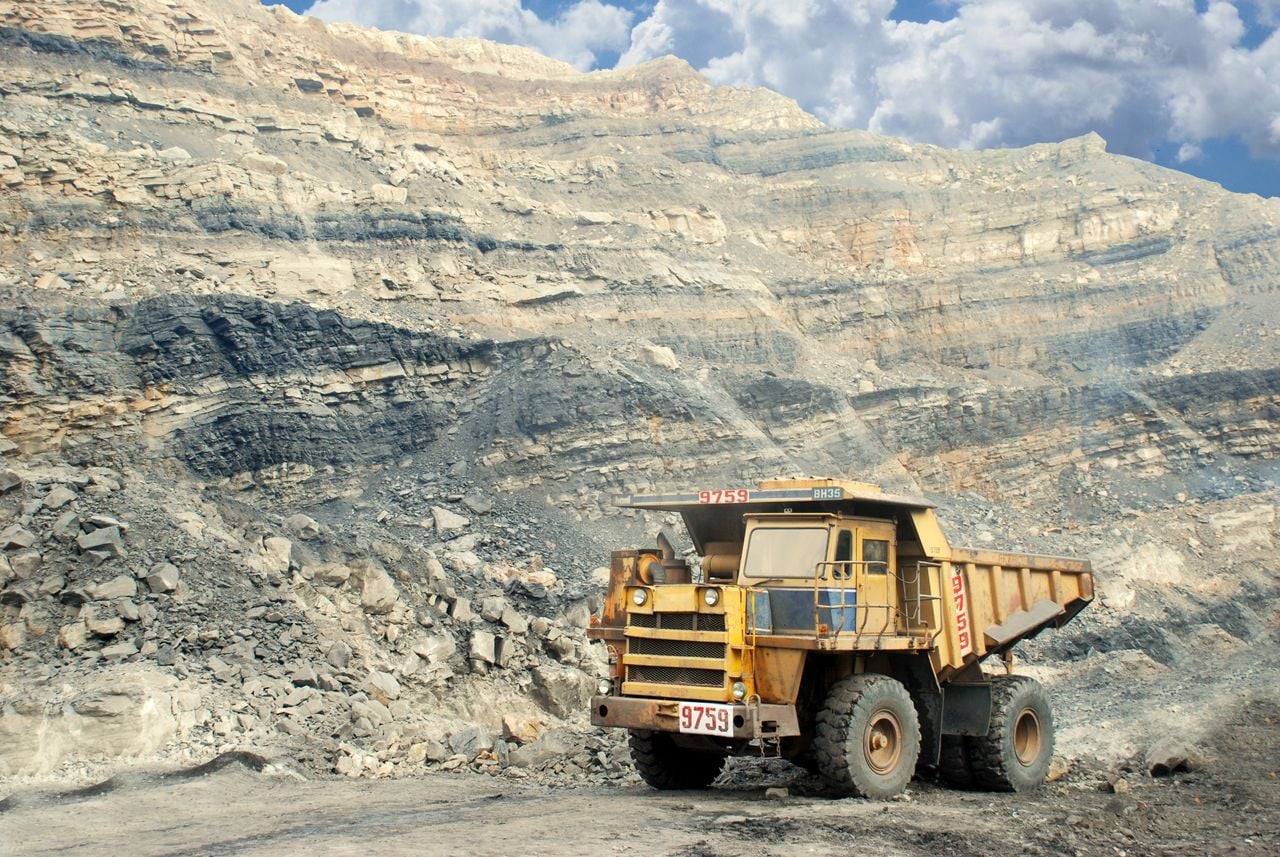
Case study: Hail Creek coal mine shows hidden methane risk in steel supply chains
In this chapter
Despite independent studies highlighting the potential underreporting of coal mining emissions by the operator since 2021, ArcelorMittal, POSCO and Nippon Steel continue to import over a third of Hail Creek’s coal—carrying in three times the emissions officially reported.
Ember analysed the additional emissions tied to major steel companies that imported coking coal from Hail Creek, an open-cut mine in Australia’s Bowen Basin, operated by Glencore Australia on behalf of a joint venture with Marubeni and Sumitomo. This analysis focused on Financial Year 2023 and 2024.
3.1
Hail Creek methane emissions have been underreported since 2021
The mine has faced growing scrutiny over the accuracy of its operator-reported methane emissions. In 2021, satellite data suggested emissions were up to 35 times higher than reported. In response, the UN International Methane Emissions Observatory carried out an airborne study, estimating Hail Creek’s emissions to be six times higher than official figures in 2022 and four to five times higher in 2023. Although the mine operator’s FY2024 reporting incorporated an updated emissions factor, airborne estimates remain roughly double the reported emissions.
While Glencore responded to the 2021 study by questioning the reliability of satellite data due to potential interference, according to the Institute for Energy Economics and Financial Analysis (IEEFA), the mine does not appear to have taken substantive action to measure and verify the actual methane emissions, or to implement mitigation measures.
3.2
A third of Hail Creek coal is imported by ArcelorMittal, Nippon Steel and POSCO
During the period analysed, Hail Creek exported 13.7 million tonnes (Mt) of coal, with 63% being hard coking coal.
Official reporting by Queensland cited Switzerland (30%), China (22%) and South Korea (15%) as the top importing destinations. However, trade data indicates that Japan, South Korea and the EU-27 received the largest volumes from Hail Creek. The discrepancy likely reflects the gap between company headquarters, used in reporting, and the actual locations of operating blast furnaces.
Of the seaborne trade data, a third of the coal traced to Hail Creek coal mine was imported by three companies: ArcelorMittal, Nippon Steel and POSCO.
3.3
Companies imported three times more methane emissions than reported
ArcelorMittal, Nippon Steel and POSCO imported at least 4.3 Mt of coal from Hail Creek in 2023 and 2024. This coal was reportedly responsible for 12.9 kt of methane emissions, according to the operator. Yet, an additional 27.6 kt methane emissions was not captured by official data.
As reported above, in 2024, Hail Creek revised the emissions factor it used for reporting, leading to a significant increase in its declared methane intensity compared to 2023. This sharp variation highlights the risks of relying on emissions factors and unverified emissions estimates, especially for surface mines like Hail Creek.
This means the steel companies may have imported more than three times the methane emissions, compared to the self-reported data by the mine operator, during 2023 and 2024, highlighting the urgent need for accurate methane accounting. Without it, steel companies risk significantly underestimating their supply chain emissions.
3.4
Underreported coal risks non-compliance with the EU Methane Regulation
The EU has introduced robust methane rules to drive down fossil fuel emissions, including from coal. The EU Methane Regulation, adopted in 2024, establishes new requirements for monitoring, reporting and verification (MRV) of methane emissions from coal mines — both within the EU and for imports.
From 2027, foreign coal suppliers will be required to meet monitoring and reporting standards equivalent to those for EU coal mines. Imported coal will also need to comply with a maximum methane intensity, to be established by the EU by 2030, or face additional fees.
This presents a clear regulatory risk for import-reliant companies like ArcelorMittal, whose operations are tied to multiple high-methane mines overseas. Of the mines currently identified as supplying the company, five are open-cut and one is a combined open-cut and underground operation. None of the open-cut mines currently meet the EU-equivalent measurement standards.
The underreporting at Hail Creek highlights the potential risks to importers when methane intensity thresholds are enforced. While reported data suggests a methane intensity of 4.8 tonnes CH4/kt – below the EU’s 2027 limit for thermal coal – independent scientific studies indicate actual intensity in 2023 exceeded 9.5 tonnes CH4/kt, significantly surpassing proposed EU limits.
Without accurate, mine-level methane data based on direct measurement, EU-based steelmakers may unknowingly source non-compliant coal and face penalties once these anticipated methane performance standards are enforced. This highlights the need for direct methane measurement and verification, especially at open-cut mines that rely on emission factors. While the EU Methane Regulation is not yet in force, and standards are still to be set, it seems likely that, to avoid future penalties, steel companies will have to require their coal suppliers to provide accurate and verifiable emissions data.

Related Content