1.1 Why threats matter in ASEAN
ASEAN sits in several tectonic plates that are part of the “Ring of Fire” where earthquakes, volcanic eruptions and tsunamis induced by geophysical factors have frequently occurred. Climate variations have increased the frequency and the intensity of these occurrences. The Philippines, Indonesia, and the Malay Peninsula each experience an average of more than 2.5 landslide events, while Myanmar records the highest average casualty rate at 10.89 deaths per event, exceeding other countries in the region. Hydro-meteorological disasters, including droughts, landslides, floods in Southeast Asia have increased significantly, with the highest number of recorded events occurring in 2020 and 2021, compared with previous years. At the same time, several major cities have experienced relative sea level rise and, in some cases, subsidence below sea level at the rate as high as 20-28 cm/year, increasing their vulnerability to flooding.
Impacts of climate change
The increasing climate threats present a dual challenge for power system operators. Rising temperature, rainfall and heatwaves are some of the climate variables that heightened the impacts. It can add pressures and disrupt operations of coal, gas, wind and solar power plants, at the same time, increasing reliance on electricity during summer months. By 2030, between 1.2-1.4C degrees increase in warming levels are expected in Southeast Asia. Such temperature increases are expected to affect power generation capacity and stability of plants to deliver consistent electricity, affecting interannual variability.
Impacts of natural disasters
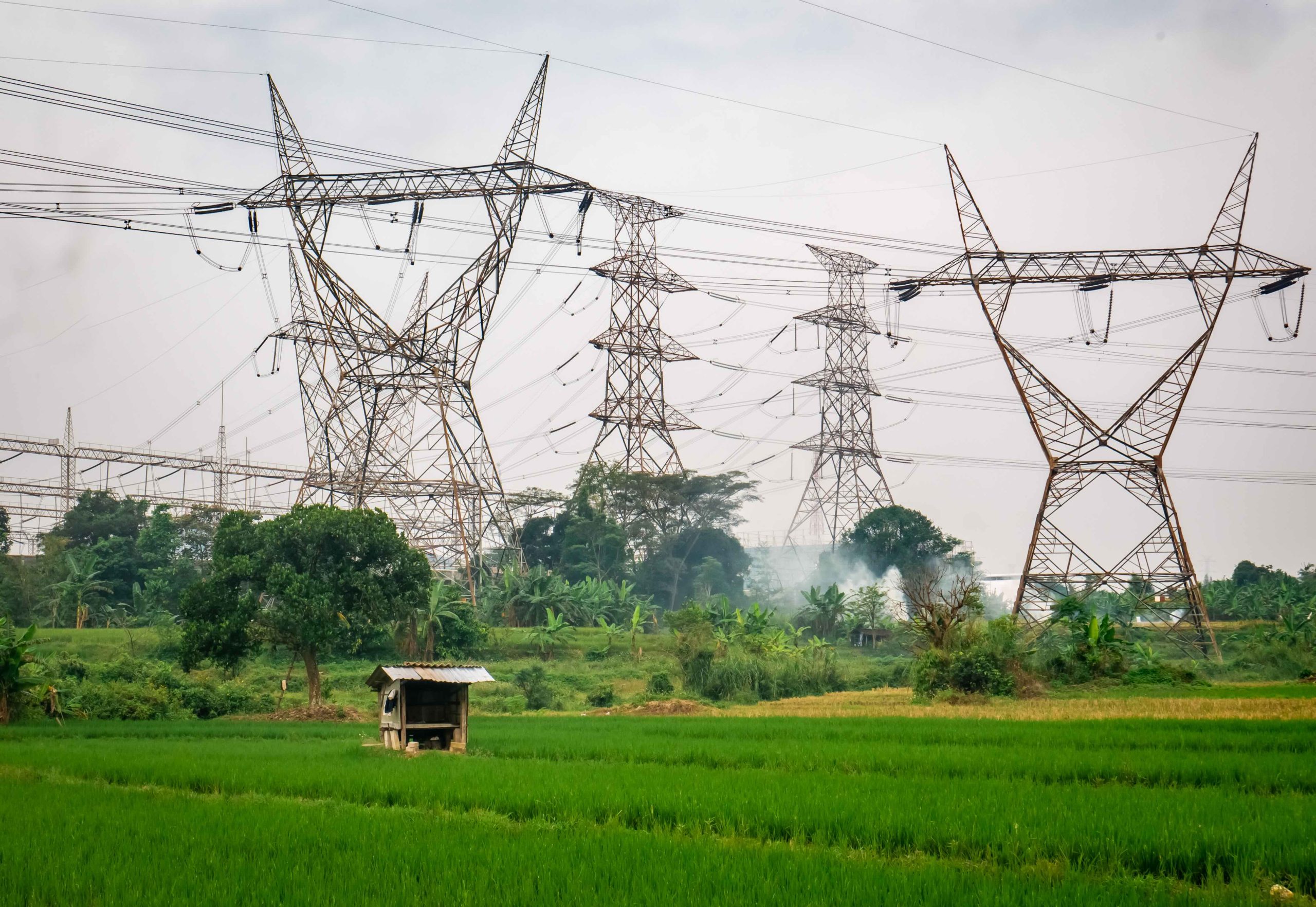
Natural disasters pose significant risks to energy technologies by disrupting both generation and transmission infrastructure.
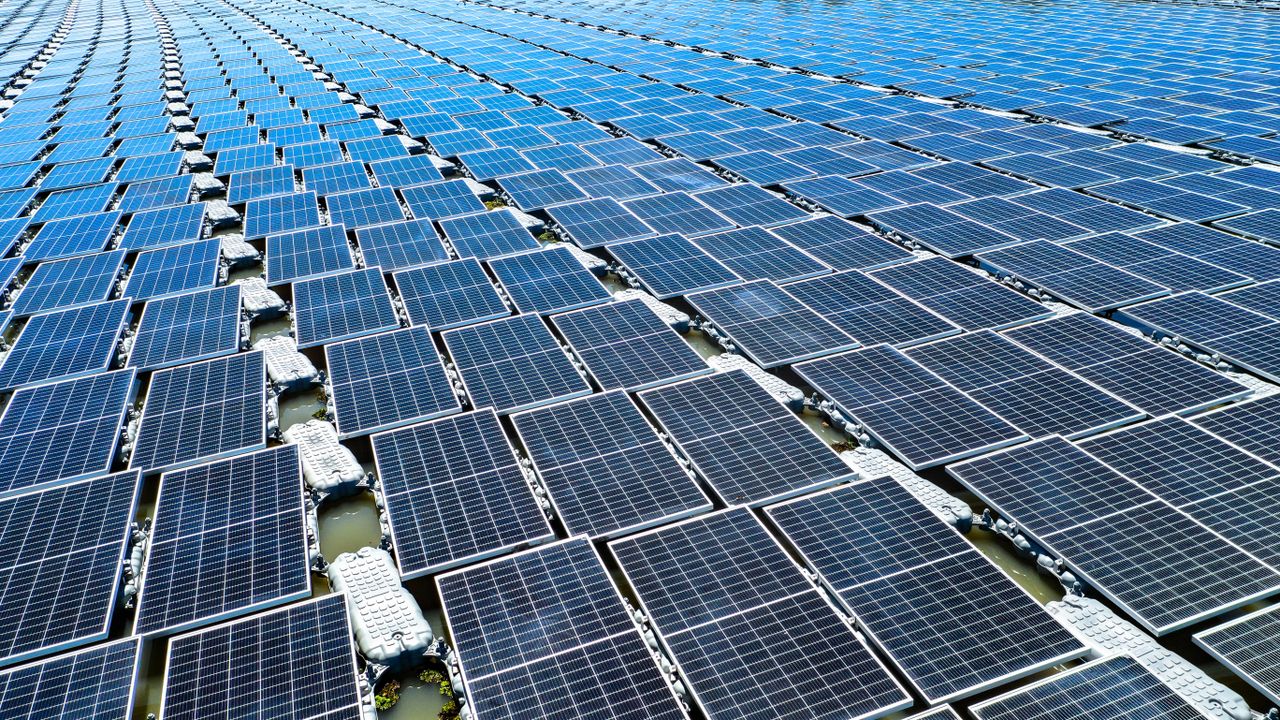
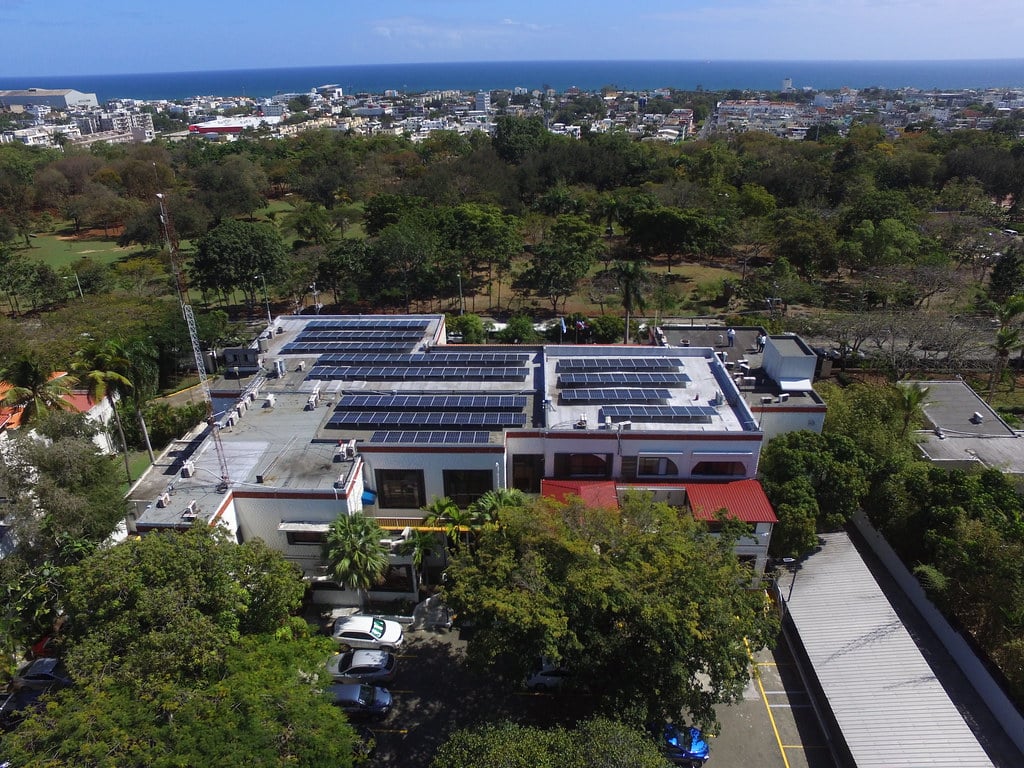
Tropical cyclones can damage electricity distribution networks, including solar photovoltaic (PV) systems. With lead times averaging around three years, compared with about up to 10 years for coal plants, solar can be deployed more quickly. Once rebuilt, solar can supply energy to local communities and essential services while the restoration of electrical transmission is undergoing. When faced with floods, droughts or earthquakes, solar can still operate given the attachment to the support system is properly installed.
Wind farm operations may be temporarily halted due to the physical impacts of typhoons on turbines. However, once the typhoon has passed, and the infrastructure is rebuilt, sophisticated power-grid controls can be installed to adjust renewable energy penetration level.
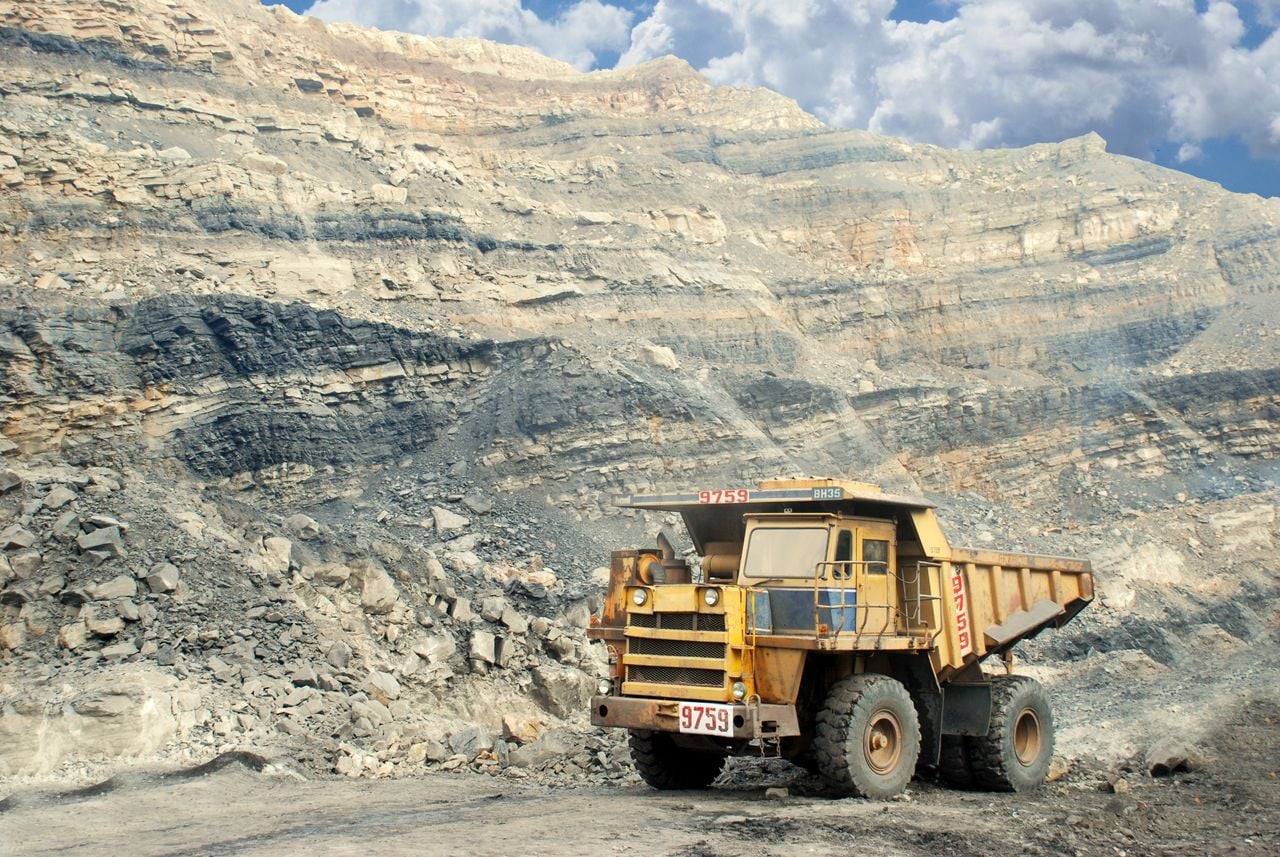
Coal and gas can sustain damages during earthquakes, typhoons, floods and volcanic eruptions. Failure of these plants can lead to severe situations and casualties, especially where supporting fuel supply infrastructure is damaged. For example, land-route fuel distribution was affected in post-flooded Aceh, postponing the recovery of electricity service. Throughout 2011–2017, climate-induced events disrupted the operations of coal, and gas power plants in Indonesia, resulting in losses exceeding $60 million USD.
Other risks
The growth in connected devices and distributed energy resources, such as distributed generation, electric vehicles, and behind-the-meter storage, is expanding the potential cyberattack surface of electricity systems. The fundamental principles of cyber resilience should be tailored to suit the electricity system. These include adjusting to real-time operational requirements, cascading effects within and across systems and encompassing new technology mix as well as legacy assets.
For example, the 2015 attack on the Ukraine power grid was the first confirmed cyberattack specifically targeting an electricity network with system-wide impacts. Attackers gained access and manually shut down substations, causing 30 substations to go offline and leaving approximately 225,000 people without power.
As data centre operation grows in ASEAN, the countries face rising exposure to cyber risks. Potential impacts include data breaches, electricity denial, supply disruptions, operational interference, and even physical damage to equipment.
Other threats, such as the recent Gulf conflict, have exacerbated energy security concerns in ASEAN countries that depend on oil and gas imports, underscoring the need for resilience to anchor economic growth in homegrown renewable energy.