
Chapter 1:
Thailand’s 2037 power sector targets
In this chapter
Bold commitments for energy transition, but scope for improvement
Thailand’s draft revised power development plan (RPDP) aims for a 51% renewables share by 2037, signalling the country’s intent to power emerging growth sectors, including EVs and data centres. However, new fossil additions might risk further lock-in to energy security and price volatility.
Thailand’s rapid economic growth is driving a surge in electricity demand, making it the third highest in ASEAN by total consumption and fourth by demand per capita. This rising demand, however, comes with significant environmental costs, as Thailand also ranks fourth in regional power sector emissions – having been overtaken by Malaysia and Vietnam in recent years. These trends highlight both the urgency and the opportunity for the country to align its power system with sustainable, low-carbon renewable energy development.
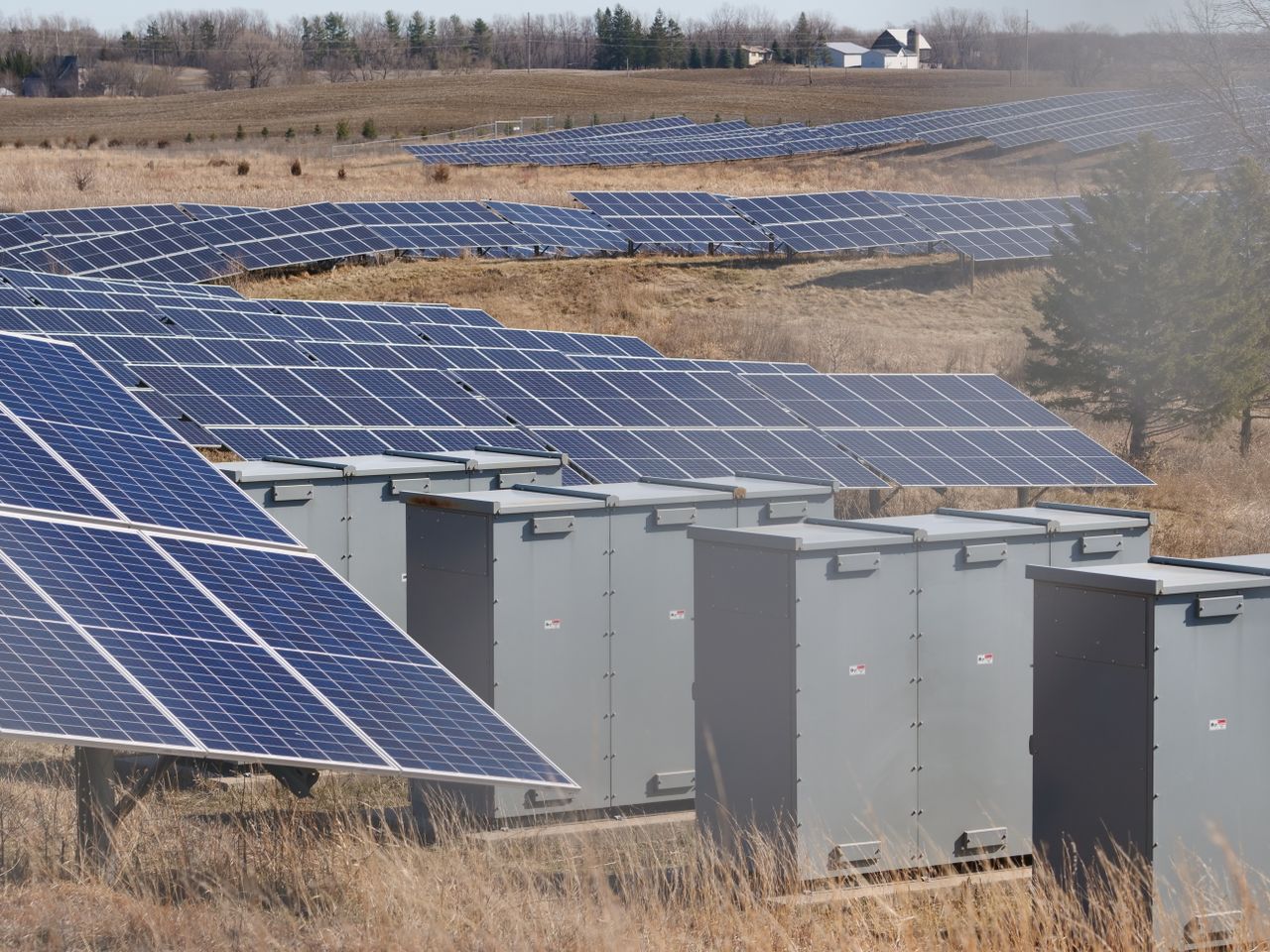
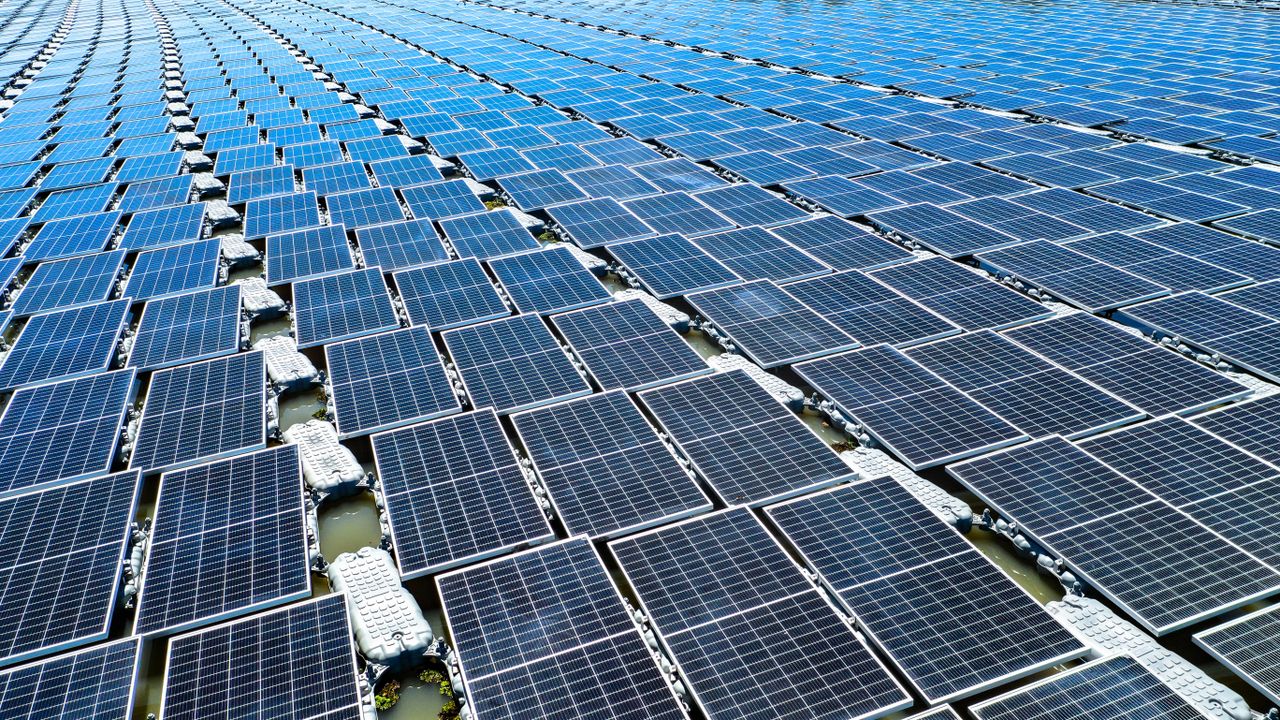
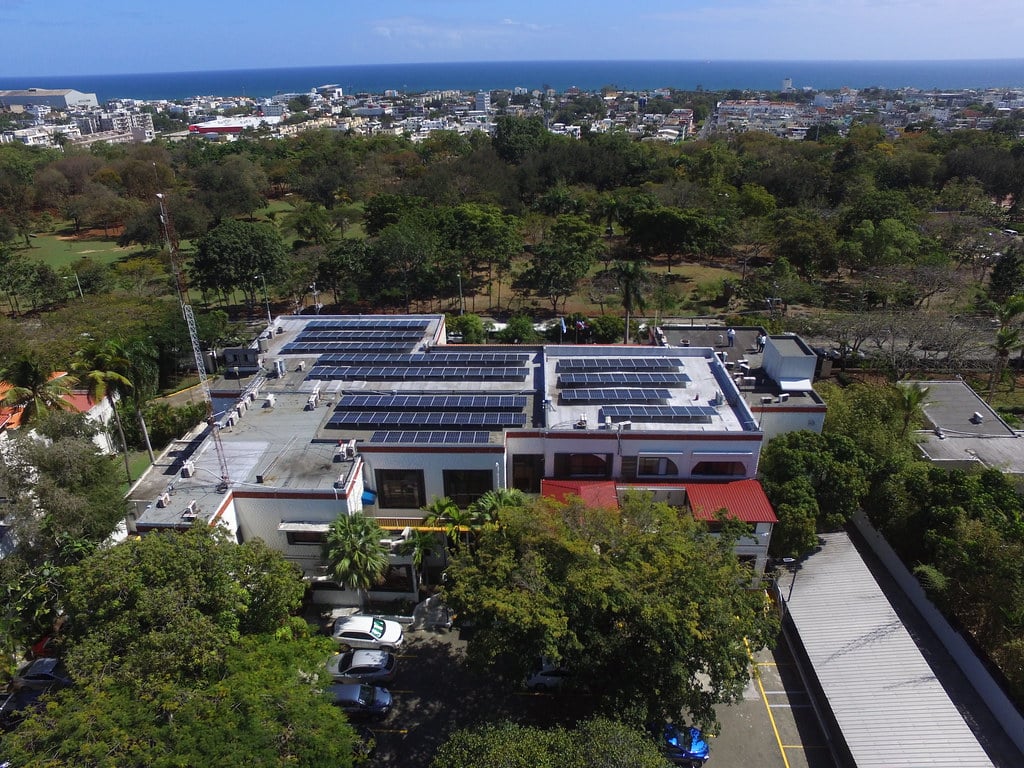
Fossil fuels, especially coal and gas, have historically dominated Thailand’s power system. They accounted for over 80% of electricity generation in 2024 with natural gas taking around 68%. Renewables, meanwhile, are well below their potential, both in terms of installed capacity and generation, despite an uptick in the last decade. Domestic hydropower contributes just 3% of the total generation. It is because the installed capacity of hydro in 2024 is around 3 GW, well below the estimated potential of around 15 GW. Similarly, solar’s installed capacity as of 2024 was just 3.4 GW, despite high solar resources. A recent study estimated that Thailand’s solar potential is about 300 GW, which means the country has utilised just over 1% of its total potential. Additionally, electricity imports from Lao PDR also cater to 15% of Thailand’s electricity demand in 2024.
1.1
Renewables to see a big push till 2037, alongside fossils phase-down
Thailand’s draft revised power development plan 2024, released during the Energy Policy and Planning Office (EPPO)’s public hearing in June 2024, sets an ambitious goal for renewable energy. It aims for 33% and 51% of total electricity demand to come from renewables by 2030 and 2037, respectively, a significant increase from the previous target of 36% by 2037.
The plan demonstrates efforts to transition away from fossil fuels by limiting net additions of gas capacity to just 2 GW in 2035–2036, while enabling the expansion of around 50 GW of renewables and 14 GW of energy storage by 2037. Although the RPDP includes 6.3 GW of new gas capacity, the overall gas fleet steadily declines from 2024 to 2037 – except in 2035–2036, when a net increase of 2 GW occurs. Rather than assessing a no-new-gas scenario, which could risk stranded assets at gas terminals, we take a moderate approach to focus our least-cost optimisation on this 2 GW increase while allowing the rest of the planned gas capacity to proceed as in the RPDP. Overall, the plan projects a substantial reduction in fossil fuel capacity, with up to 8 GW phased out by 2037. According to our estimates, implementing the RPDP will require $153 billion in total fixed expenditure over 2024 to 2037.
This marks an important step by the Thai government to foster the energy transition, given that the country has historically relied largely on natural gas. Yet, as our modelling shows in Chapter 3, the country can be even more aggressive in moving away from fossil fuels.
1.2
Improving energy security by reducing imported gas reliance
To achieve the carbon neutrality goal by 2050, Thailand aims for a total phase-out of coal plants by 2050 with bioenergy/carbon capture storage (CCS) retrofitting, and increasing renewable energy share to 68% by 2040 and 74% by 2050. However, the RPDP includes 6 GW of new gas additions by 2037, increasing risks to energy supply security and economic vulnerability.
Thailand’s natural gas imports have risen over the last 10 years, with a compounded annual growth rate (CAGR) of 4.7% from 2015 to 2024. The share of imported liquefied natural gas (LNG) in Thailand’s gas mix is expected to climb to 60% by 2035 from around 40% in 2024. It also has the largest operational LNG import capacity in ASEAN with two LNG regasification terminals.
The Map Ta Phut terminal, with the capacity of 11.5 million tonnes per annum (mmtpa), is the first and largest facility, while the Nong Fab terminal, commissioned in 2022, adds a further 7.5 million tonnes annually. These infrastructures are projected to only sufficiently meet demand until 2028.
Considering the reserve depletion of natural gas, Thailand’s reliance on imported gas will increase, driven by the development of a third LNG terminal with an initial capacity of 5 mmtpa and planned expansion to 10.8 mmtpa in the future.
Nonetheless, the global energy crisis in 2022 demonstrated that LNG can quickly become unaffordable and inaccessible. Asian spot LNG prices averaged $34 per million British thermal units (MMBtu) in 2022, more than double the annual average in 2021. As a result, Asian LNG demand fell from 270 million tonnes (mt) in 2021 to 250 mt in 2022. In Thailand, imported gas volumes rose by just 27% between 2021 and 2022, yet the import bill surged by 141% over the same period.
Given that Thailand’s power sector relies heavily on natural gas, electricity tariffs climbed sharply in early 2023, reaching a record 5.69 Thai baht/kilowatt-hour (kWh) or $0.16/kWh for businesses — a 20.5% increase. Relying on imported gas increases the vulnerability of the Thai economy, as every 10% rise in gas price can increase the electricity tariff by 3.5%.
Geopolitical risks are also a key reason Thailand should reconsider its reliance on natural gas. Exporters like the United States are pushing countries like Thailand to import more due to their liquefaction capacity expansions. But overreliance on imported fuels in a volatile geopolitical environment is risky. Thailand’s LNG trade with the US grew sharply between 2021 and 2024, with a CAGR of 121% in values. Larger import dependence would risk exposing the country to supply disruptions caused by geopolitical manoeuvring to control energy supply chains or to distance itself from the debate.
There are also supply risks at multiple chokepoints on shipping routes to Asia. For example, the 2023 drought in the Panama Canal — the fastest route from the US — severely constrained transit, forcing LNG carriers to divert via the Suez Canal or the Cape of Good Hope, adding time and fuel costs. The Suez Canal faces constant security risks from conflicts in the Middle East. At the same time, the Strait of Hormuz – the sole export route for Qatar, Thailand’s largest LNG supplier – remains highly exposed to geopolitical tensions.
Heavy reliance on imports exposes the country to external threats, supply disruptions, and gas price volatility. Thailand would benefit by directing such investments to other cleaner, more affordable technologies, as we propose in our model in Chapter 3.

Related Content