

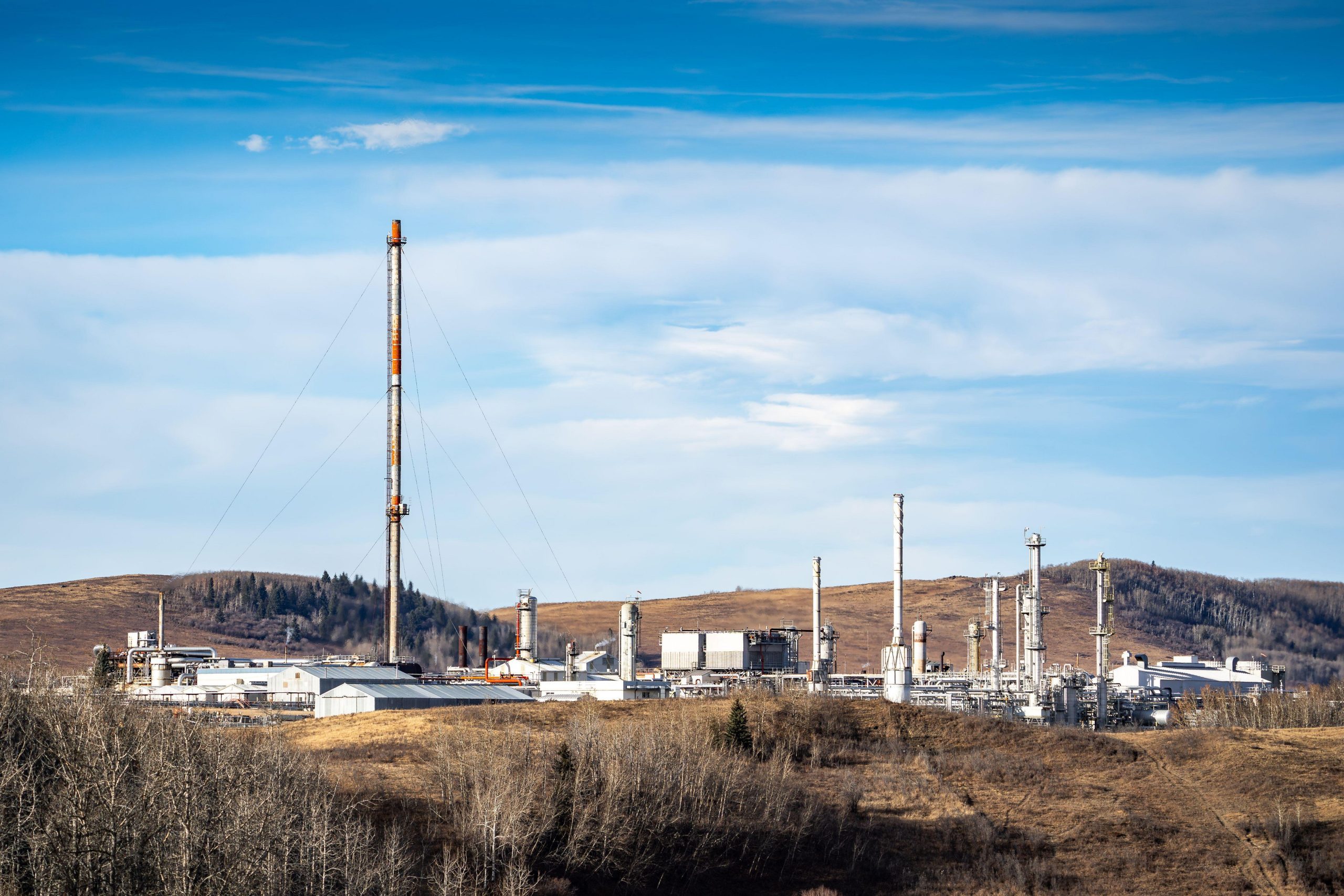
RE-powering India’s heavy industries: 20 GW today, 24/7 tomorrow
Indian heavy industries—steel, cement, and aluminium—despite their reliance on captive coal, can profitably integrate 20 GW of solar today. But how ready are they for a 24/7 renewable-powered future?
2 Apr 2025
74 Minutes Read


Table of Contents
Executive summary
Read
+
Chapter 1: Mechanisms for RE procurement
Read
Steel, Cement and Aluminium: The big three
Read Section
+
Chapter 2: RE opportunity for heavy industries
Read
Cement: A promising yet challenging market for renewables
Read Section
Aluminium: A steep climb for renewables
Read Section
Summing up: A business case for 20 GW solar—today
Read Section
+
Chapter 3: Inching closer to 24/7 RE for industries
Read
Green tariffs have the potential to transform Discoms’ role
Read Section
Supporting materials
Read
Highlights

20 GW
Market size of open access solar which offers a cost advantage for steel, cement, and aluminium sectors

10%
Reduction in production cost of electric arc furnace (EAF) based steelmaking by switching to open access solar
₹9.5/kWh
Estimate of the average per unit cost of sourcing 24/7 renewables
Featured in the media
The Hindu Business Line The New Indian Express
Deccan Herald
ET EnergyWorld
Saur energy
The New Indian Express
Deccan Herald
ET EnergyWorld
Saur energy
Executive summary
Renewable power presents a massive opportunity for industries today
As industries strive for carbon neutrality, transitioning to renewable electricity is the most immediate lever for decarbonising operations. This shift currently presents a million-dollar cost-saving opportunity while also delivering several co-benefits.
India’s evolving green energy open access regime has been a game-changer, enabling commercial and industrial consumers to wheel renewable power from distant locations directly to their doorsteps using the common grid infrastructure. The green energy open access market presents a 20 GW profitable opportunity for the steel, cement, and aluminium sectors across states, despite two key challenges: (1) electricity supply in these industrial facilities remains largely dominated by low-cost captive coal power, restricting the penetration of renewables, and (2) while a portion of electricity demand is met through the expensive grid, which could be cost-effectively replaced with renewables, multiple open access surcharges on renewable power erode potential gains.
With many corporations in these sectors pledging to achieve 100% renewable energy in the coming decades, this report also explores the pathway to a fully renewable-powered future with 24/7 demand matching. The discussion is specifically structured around large industrial consumers that have firm, round-the-clock electricity demand. It highlights how storage solutions—particularly batteries—will be indispensable in enabling the transition from partial renewable usage to meeting 24/7 targets.
Key takeaways
01
A 20 GW+ solar opportunity for heavy industries in India today
A 20 GW solar market opportunity exists under the green energy open access mode of power procurement for steel, cement, and aluminium across the top five producing states in India. Steel presents the largest opportunity at 9.4 GW, primarily due to its greater reliance on comparably expensive grid power which can be replaced with open access solar. Cement and aluminium, despite their dependence on inexpensive captive coal-based generation, collectively represent an 11 GW market. Seizing this opportunity could potentially eliminate 29 million tonnes of emissions annually.
02
Solar power, on average, could slash production costs by up to 10% for some steel makers
Solar power offers a significant opportunity to reduce operational costs for steel and cement plants across most Indian states. In certain cases, such as standalone electric arc furnaces (EAF) for steelmaking, these savings can account for up to 10% of operational costs. For direct reduced iron–arc furnace (DRI-EAF) based steelmaking, savings range between 2–5%, while for cement manufacturing, the potential is lower. Aluminium, however, does not present a significant cost-saving opportunity due to the abundant captive coal-based generation in place.
03
Renewable power can transform mineral-rich states to green manufacturing hubs
From a regional standpoint, nearly 40% of the 20 GW open access solar power opportunity for heavy industries is concentrated in just two states — Odisha and Chhattisgarh. These states have long served as core industrial hubs for India’s steel and aluminium production. Recent waivers on open access charges have further enhanced the appeal of renewable power in these regions, making it a commercially viable sourcing option for these industries. This shift has the potential to transform these regions into green manufacturing hubs, attracting international climate finance and corporate investments. More broadly, renewable power can also play a pivotal role in aligning steel production with India’s emerging green steel taxonomy, enabling certain steel manufacturing routes to qualify for low emission intensity thresholds.
04
50% RE is cost-effective today while 80% may cost up to 1.4X
With many corporations pledging 24/7 renewable energy (RE) or 100% RE targets for the coming decades, it is important to assess what level of renewable integration is financially feasible today. Sourcing 50% variable RE is possible without integrating storage and is already cost-effective for heavy industries in India today. Increasing RE penetration from 50% to 80% leads to a moderate cost increase to up to 1.4X the cost of plain vanilla RE generation (~40% premium). This increase is primarily driven by the cost of storage and the challenge of managing surplus electricity.
05
24/7 RE can cost up to 3.5X
Achieving 24/7 RE today comes at a cost premium of 3.5X the cost of plain vanilla RE generation. The transition from 90% to 24/7 RE (round-the clock) demands massive oversizing of renewable capacity and significant battery deployment, which sharply drives up system costs. In fact, achieving 24/7 RE could cost up to 2X the per unit cost of electricity compared to the 90% RE case, making the final stretch the most cost-intensive phase of the transition. Batteries are expected to contribute up to 60% of the total cost of sourcing 24/7 RE.
States such as Odisha and Chhattisgarh have long been legacy industrial hubs, owing to their proximity to rich mineral reserves. By integrating renewable power, they are well-positioned to begin their transformation to green manufacturing hubs. The shift is already in motion — Odisha is now actively envisioning green industrial parks, setting the stage for an export-driven, low-carbon future in manufacturing.

Cost-competitive, near-24/7 renewable energy will power the first wave of industrial decarbonisation and redefine the future of corporate power purchases.

India’s industrial sector, one of the hardest to decarbonise, has significant financial incentives to transition through renewable-based electrification. However, policy and institutional barriers must be dismantled to maximise this shift.

Renewables are already a cost-effective solution for Indian industry, and 24/7 clean power is the benchmark for the future of renewable procurement. This report highlights that companies can make significant progress toward round-the-clock renewable supply today, with further innovation in storage, flexible demand, and market design needed to achieve full 24/7 coverage at competitive rates.

As industries increasingly rely on variable renewable energy (VRE), they will expect high levels of reliability. High-quality VRE forecasting will be essential to optimise the use of storage, ensuring a dependable power supply while keeping costs in check. This “last mile” of decarbonisation will demand sophisticated predictive capabilities.


Related Content
Analysis
Bankable by design: Financing ASEAN's energy system transformation
06 October 2026
Analysis
Renewable Caribbean: towards energy independence
01 October 2026
Analysis
Methane doesn't read the label
30 September 2026

Analysis
Annual coal mine methane emissions are linked to tens of thousands of deaths
30 September 2026