
India | Ember

India

India overtook France and Canada to become the world’s fourth largest generator of clean electricity in 2025

Last Updated: 4 Jun 2026

Anchor point: Overview

Key energy data for India

3rd
Global ranking for electricity demand
27%
Share of electricity from clean sources
14%
Share of electricity from solar and wind power
73%
Share of electricity from fossil fuels
0.5x
Power sector emissions per capita as a multiple of the global average

27% of India’s electricity was generated from clean sources in 2025. It was the 3rd largest country by electricity demand.

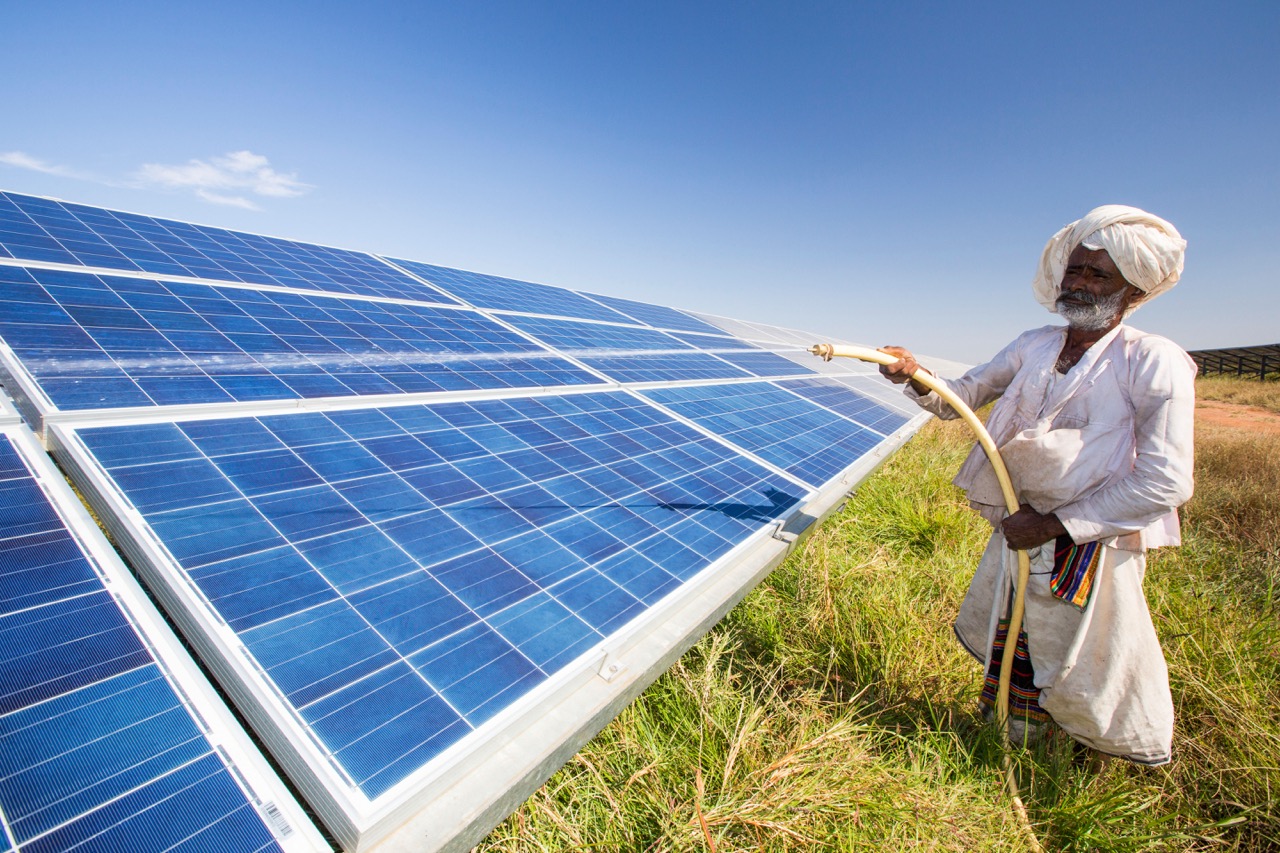
India’s largest source of clean electricity was solar, meeting 9.4% of total demand in 2025. Wind and solar combined accounted for 14%. In 2025, India overtook France and Canada to become the world’s fourth largest clean electricity generator.

With fossil fuels accounting for 73% of generation in 2025, the power sector is India’s largest emissions contributor. Power sector emissions have grown over the last two decades due to the expansion of coal generation. Despite this, the country’s per capita emissions are well below the global average due to low per capita electricity use.

In 2024, coal met 61% of new electricity demand growth. By contrast, 2025 was a low-demand year, and all incremental demand was met from clean sources, with coal generation falling by 2.9%. This reflects a shift in which renewables are increasingly capturing a larger share of incremental demand.

As of March 2026, India was one of only ten countries planning to triple non-fossil generation capacity from 2022 levels by 2030. By December 2025, the country had achieved 258 GW of installed renewables capacity, making progress towards its 2030 goal of 500 GW. Ember analysis suggests that, under current plans, renewables would reach 42% of generation by 2030.

Coal mine methane in India

India is the second largest coal producer in the world, making it one of the world’s top coal mine methane emitters. The Ministry of Coal further plans to ramp up domestic coal production to meet growing energy demand and address energy security concerns. While India officially reported 796 kt of fugitive methane in 2020, the planned expansion is projected to double emissions by the end of the decade without any interventions.

By proactively strengthening policy on measurement, reporting and verification (MRV) and mitigation, the country could accurately quantify emissions and steer industry towards viable mitigation options aligning with national climate goals.

Anchor point: Data

Loading data…

Anchor point: Insights

Our work

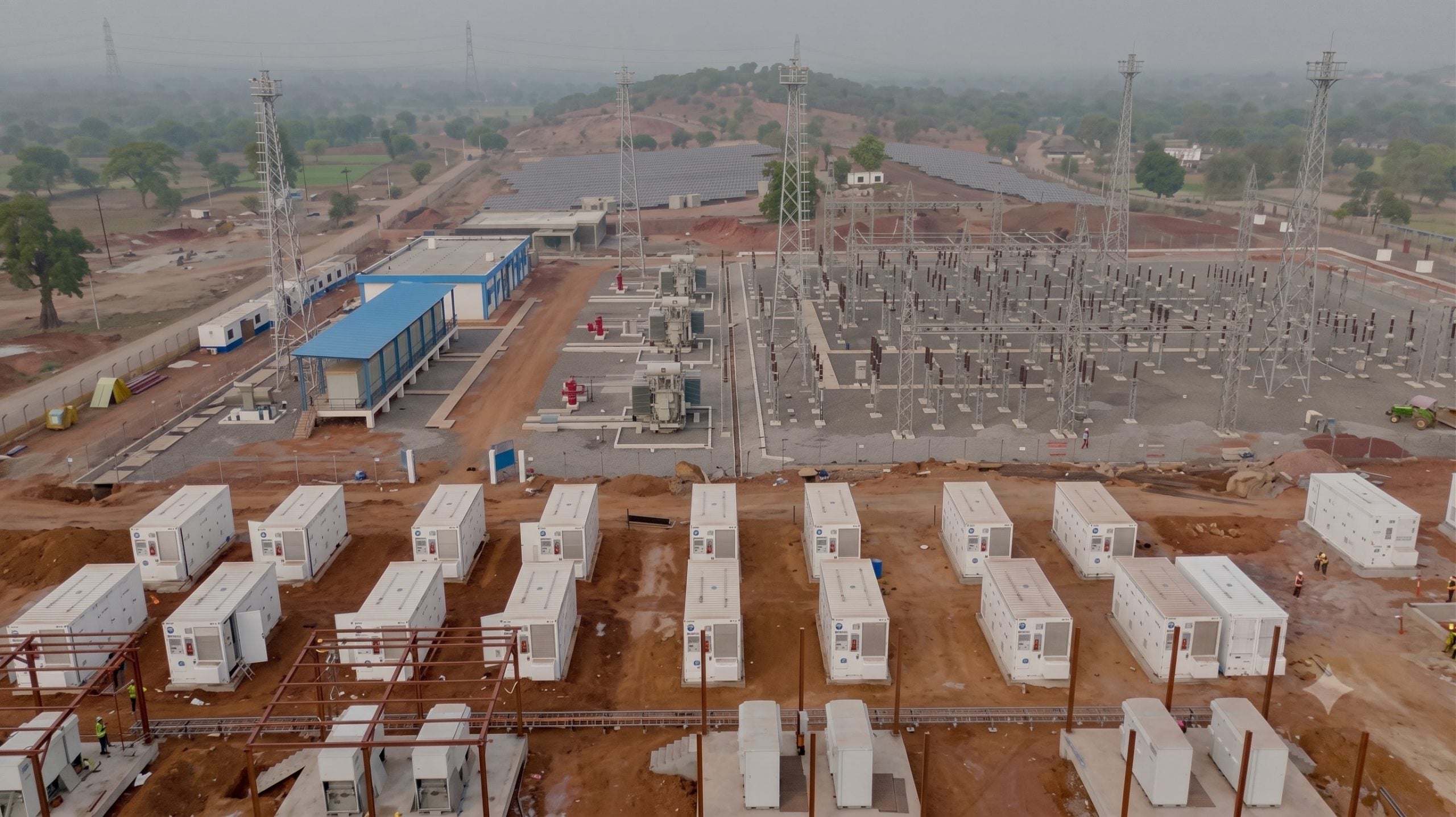
Ember’s research in India provides data-driven insights into the power sector transition, tracking trends in electricity demand, the rapid growth of RE, and the deployment of storage and grids. Our analysis supports evidence-based policy and investment decisions for a cleaner power system.

Explore our regional analysis for deeper insights into power sector trends across Asia.


Commentary on India’s energy transition

Union Budget 2025: Focusing on long-term energy security and domestic manufacturing
Ember’s response to the draft guidelines for Virtual Power Purchase Agreements in India
Kickstarting India’s offshore wind market: Lessons from India’s early tenders
Ember’s response to India’s draft National Electricity Policy – 2026


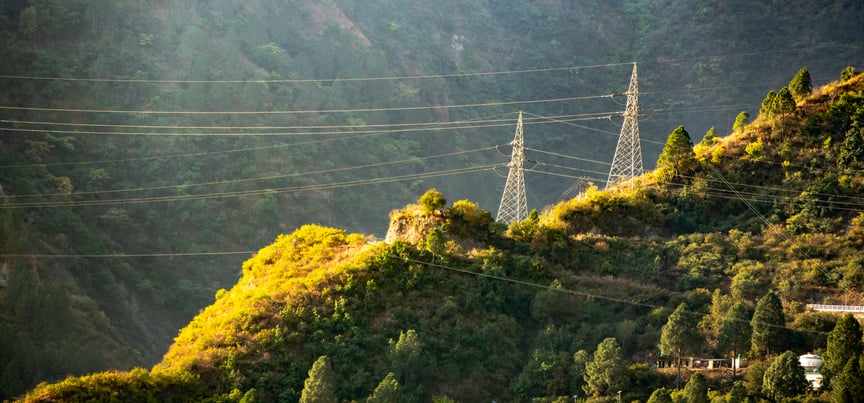
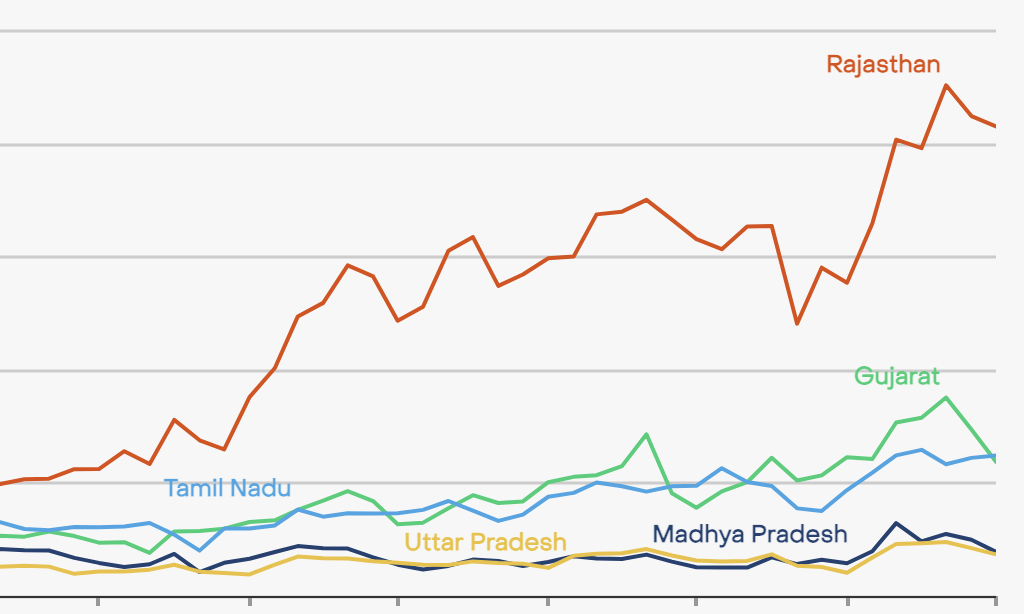
Solar capacity in India has increased fourteen-fold over the last decade, reshaping the power mix and limiting the reliance on coal. The next challenge is ensuring transmission infrastructure and grid flexibility keep pace with this momentum.

With India’s coal production projected to rise over the next decade, coal mine methane emissions are expected to follow suit. Introducing a standardised national MRV policy would provide a highly effective framework for mine-level assessments and reporting. This data can, in turn, empower operators by unlocking access to additional revenue streams via carbon markets, gap funds and climate finance to accelerate methane abatement projects.

Anchor point: Experts

Meet the Team

Related countries and regions

Share