

EV Sales Data Tracker
An open data tool to track and compare monthly figures for electric and combustion car sales in 56 countries, which accounted for over 90% of global EV sales in 2025. Includes estimates for EV oil displacement and global EV sales based on latest data.
Updated monthly
Anchor point: Data tool
Anchor point: About
About Ember’s EV Sales Data Tracker
Electric vehicles (EVs) represent the single largest lever for reducing fossil import dependence. As sales continue to rise globally they are reshaping global oil demand, but it can be hard to keep pace with the latest trends and impact of new policies in different countries. Ember’s EV Sales Data Explorer brings together monthly new car sales from 56 countries, showing how quickly electric vehicles are entering fleets worldwide and how much oil they are already displacing.
Comprehensive data
The tool includes new car sales data for 56 countries, which made up over 90% of electric car sales in 2025. The comprehensive coverage makes it possible to provide an estimate of car sales at a global level. Beyond electric cars, the explorer also includes data for other powertrains, including petrol, diesel, hybrids and flex-fuel cars. Meaningful metrics are included, such as the current fleet size, electricity demand, and the amount of oil displaced by electric cars.
Compare across countries
Ember’s data explorer allows for standardised comparison across different markets and a range of metrics. A leaderboard functionality provides the ability to see how the race to fully electric transport is evolving, and how this has changed over time.
Monthly granularity
The monthly data used in the tool allows users to keep pace with the rapidly developing landscape for electric vehicle sales. The global electric car fleet has been doubling every 2-3 years, meaning that relying on last year’s numbers becomes quickly outdated. The tool is regularly updated, and the data can be aggregated to show different time periods.
Open data
All data is free and open-access under the Creative Commons Attribution 4.0 (CC-BY 4.0) license, available for direct download in CSV formats. As with all our data products, Ember maintains a commitment to open and transparent data insights.
Anchor point: Datasets
Anchor point: Methodology
Methodology
Read more about Ember’s methodology here:
Anchor point: FAQ
Frequently Asked Questions (FAQ)
Q: What is included in the definition of Electric Vehicle?
A: Ember defines electric vehicles by whether the vehicle’s input energy comes from electricity, which includes Battery Electric Vehicles (BEVs) and Plug-in Hybrid Electric Vehicles (PHEVs). This aligns with reporting by the IEA and other bodies – but Ember ensures the split between these two types is always shown. Per vehicle, BEVs displace significantly more oil, with real-world evidence that PHEVs rely less on the electric motor than manufacturers expect. This is reflected in how Ember estimates oil displacement. Other forms of hybrid are not included as EVs as they are refuelled exclusively via fuels.
Q: How is oil displacement calculated?
A: Ember’s oil displacement methodology assumes a counterfactual where each electric car was replaced by a typical non-electric car, and driven the same distance. The model accounts for variation by country in vehicle efficiency and average distance travelled. It also accounts for the fact that real-world data shows that PHEVs are driven predominantly via the combustion engine. More details can be found in the dedicated methodology documentation.
Q: What is the difference between sales and fleet?
A: The data in the tool focuses mainly on trends in new car sales data, but also gives an estimate of the electric car fleet. The fleet is the total number of cars on the road at any time. Ember estimates this using the most recent annual data from the IEA and other national sources, combining with the latest months of sales data, and applying a specific attrition rate for each country based on historic trends. This attrition rate accounts for the fact that vehicles can be imported, exported or scrapped from one year to the next, and differs by country.
Q: What vehicle types are included?
A: Ember’s sales data currently tracks new car sales only, but would hope to expand to include other vehicle types in the future (such a 2 and 3-wheelers and trucks). Watch this space!
Anchor point: Contact


Related Content

Data tools
China Electricity Data Explorer
Explore province level electricity generation and emissions data for China
Last Updated: 13/10/2026

Data tools
Wind and Solar Capacity Data Explorer
The latest monthly data on wind and solar capacity, including total installed capacity, month-on-month and year-to-date additions across 25 countries and economies, covering around 93% of global solar capacity and 92% of global wind capacity.
Last Updated: 13/10/2026
Data tools
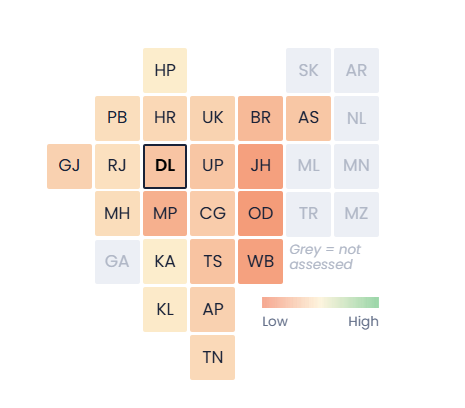
Indian States’ Electricity Transition (SET) Data Tool
India’s overall electricity transition depends on state-level action. Explore how states are progressing across transition parameters including solar and wind capacity addition, energy storage, as well as enabling policies for renewable energy integration and electric vehicle (EVs) adoption
Last Updated: 13/10/2026
Data tools
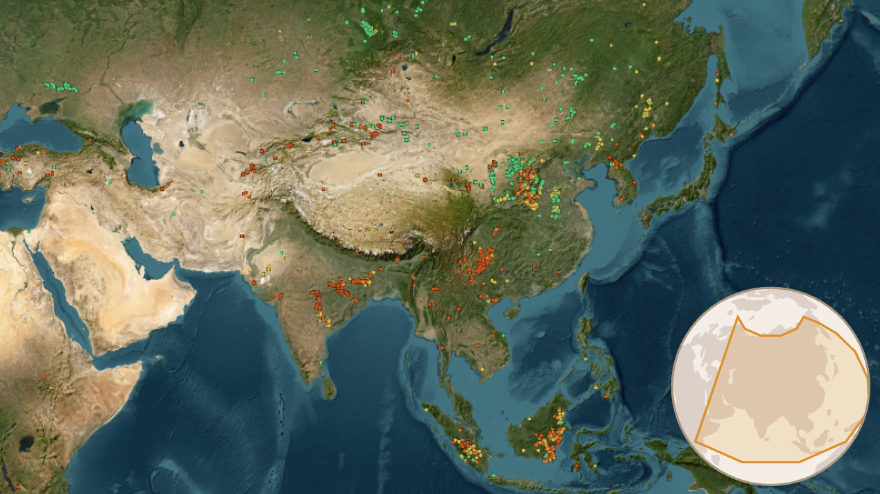
Satellite Coal Mine Methane Observation Map
An interactive map showing the potential of methane emission detection, via satellites, at worldwide coal mining sites throughout the year
Last Updated: 13/10/2026