In the last 60 years, the way in which the world meets its growing demand for energy has changed substantially. Before 1975, oil was the main supplier of energy growth, meeting 61% of the world’s increase in energy supply between 1966-1975. The decade that followed the oil shocks of the 1970s saw a pronounced shift towards other sources, with oil consumption growth slowing considerably between 1976-1985.
After two decades of lower growth in total energy supply (TES), 1996-2005 saw a steep increase, driven by China’s rapid industrialisation. In this decade, coal became the dominant source of energy supply growth.
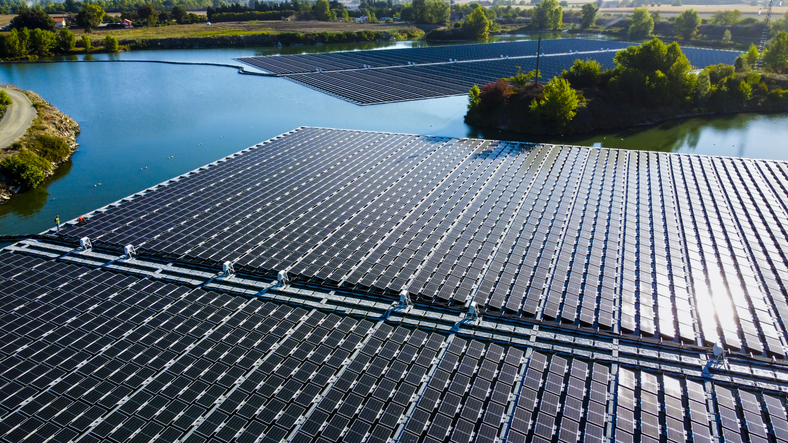
The last two decades have seen a new driver of global energy supply growth as renewable sources have grown in scale. Between 2016 and 2025, renewable sources (including hydro) supplied 30% of the increase in global TES, compared to less than 5% two decades earlier. Gas has delivered an equivalent amount of additional energy supply over the last 10 years, bolstered by the rise of LNG trade and increasing gas demand in the US.
The shift towards renewables continued to gather pace in 2025, when they became a larger source of new energy supply than either coal, oil or gas. Excluding the COVID-19 pandemic in 2020 and global financial crash in 2008, it is the first time this century that the largest driver of TES growth has not been either coal, oil or gas.
The economies that have made the fastest shifts to renewables have reduced fossil imports and built their resilience to geopolitical shocks. Ember analysis shows that the European Union’s wind and solar deployments since Russia’s invasion of Ukraine have avoided €72 billion in fossil fuel imports. In Pakistan, solar has expanded from 3% of electricity to 22% in just four years, leading the government to cancel LNG cargoes scheduled for 2026-27.