

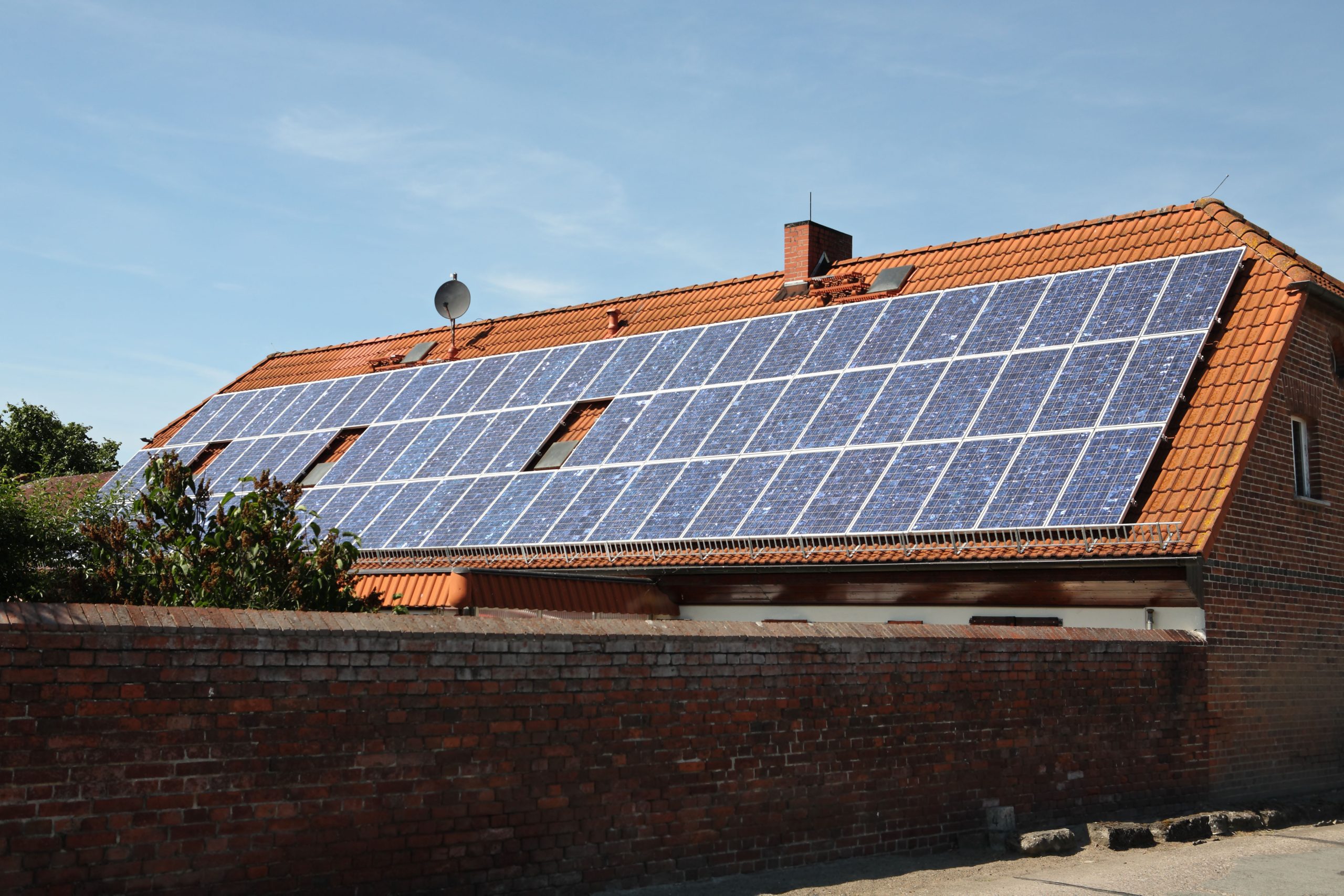
EU solar power hits new record peak this summer
New analysis by energy think tank Ember reveals that, for the first time, solar panels generated a tenth of EU-27 electricity during their peak months of June and July this year.
18 Aug 2021
2 Minutes Read


Executive summary
New record peak this summer
New analysis by energy think tank Ember reveals that, for the first time, solar panels generated a tenth of EU-27 electricity during their peak months of June and July this year.
New records were set in eight EU countries, including Spain and Germany.
However, solar panels still generated less electricity than Europe’s coal power plants, even during the height of their summer peak.
The analysis shows that annual growth in solar output needs to double to meet the EU’s 2030 emissions targets.
Europe has had a record-breaking summer for solar power, but it is yet to harness its full potential. The cost of solar power has tumbled in the last decade and we are seeing the first signs of Europe’s solar revolution in countries like Spain, the Netherlands, Hungary and even coal-heavy Poland. However, there is a long way to go before solar provides more power than fossil fuels, even in the height of Europe’s summer sun. Weather extremes across Europe this summer have given governments an urgent wake-up call and now they must turn climate targets into climate action by stepping up solar deployment.

Charles Moore
Europe lead, Ember
Europe lead, Ember
Key findings
Solar trends in Europe
Europe’s solar growth
The analysis shows that Europe’s summer peaks in solar power generation that happen in June and July are getting bigger every year. Solar panels generated a record 10% of EU electricity (39 TWh) in June-July 2021, up from 28 TWh in the same period in 2018. Growth is accelerating: the EU saw solar generation increase by 5.1 TWh between June-July 2020 and 2021, a larger year-on-year change than in 2020 (+3.1 TWh) or 2019 (+2.6 TWh).
Eight EU countries set a new solar record share during the summer peak this year: Estonia, Germany, Hungary, Lithuania, Netherlands, Poland, Portugal and Spain.
Seven EU countries generated over a tenth of their electricity from solar panels in June-July 2021, with the Netherlands (17%), Germany (17%), Spain (16%), Greece (13%) and Italy (13%) leading the way.
Hungary has quadrupled its solar share since June-July 2018, while the Netherlands and Spain have doubled. Estonia and Poland have gone from near-zero solar in 2018 to 10% and 5% respectively in June-July 2021.
Solar revolution poised to take off
Despite recent gains, the EU’s electricity generation from solar panels still remains less than coal power plants, which generated 14% of EU electricity in June-July 2021 (58 TWh).
The EU-27 has added 14 TWh of solar generation every year on average in the last two years. However, according to the European Commission, annual growth in the next decade must double to 30 TWh in order to meet the EU’s new 2030 climate targets.
The solar market is poised to support the growth required. It is now half the price to generate electricity from new solar panels than existing fossil plants across major markets including Germany, the UK, Italy, France and Spain. The global average Levelized Cost of Electricity (LCOEs) for utility-scale solar photovoltaic has collapsed from $381/MWh USD in 2010 to $57/MWh in 2020.
Conclusion
EU yet to harness solar potential
Europe has had a record-breaking summer for solar power, but it is yet to harness its full potential.
The cost of solar power has tumbled in the last decade and we are seeing the first signs of Europe’s solar revolution in countries like Spain, the Netherlands, Hungary and even coal-heavy Poland.
However, there is a long way to go before solar provides more power than fossil fuels, even in the height of Europe’s summer sun.
Despite recent gains, the EU’s electricity generation from solar panels still remains less than coal power plants.
Now governments must turn climate targets into climate action by stepping up solar deployment.
Supporting materials
Media coverage
International: Financial Times, Reuters
Regional: Euractiv, EU Observer, PV Magazine
Germany: RTL, FinanzNachrichten
Spain: El Boletín
Poland: Rzeczpospolita, Wirtualna Polska, 300Gospodarka, RMF 24
Portugal: Observador, Noticias Ao Minuto, Sapo
Netherlands: NU NL
Belgium: Het Nieuwsblad, RTBF, Le Soir
Ireland: RTÉ
UK: Daily Mail,
Turkey: Haberler
China: East Money
India: Economic Times
Malaysia: The Star Online
Vietnam: Vietnam Biz, Vietnam+
United States: Nasdaq
Canada: The Financial Post
Acknowledgements
Header Image
Rooftop solar in Balow, Germany
Credits: Washington Imaging / Alamy Stock Image
Related Content

Analysis
Energy Institute Statistical Review of World Energy
30 June 2026
Analysis
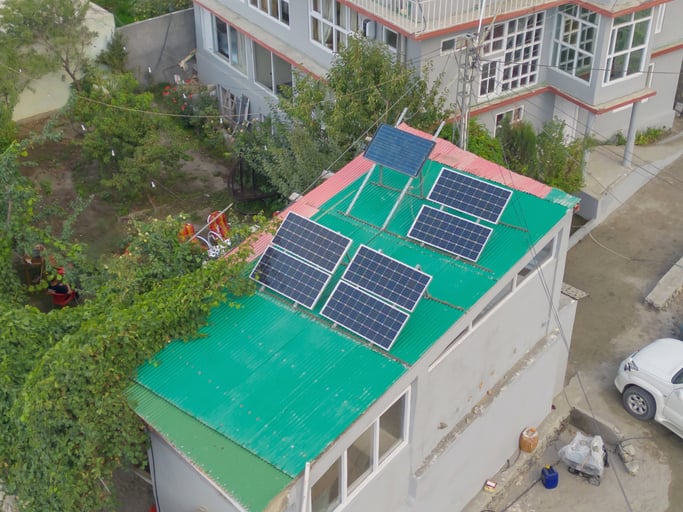
The solarisation of Pakistan’s energy economy
25 June 2026
Analysis
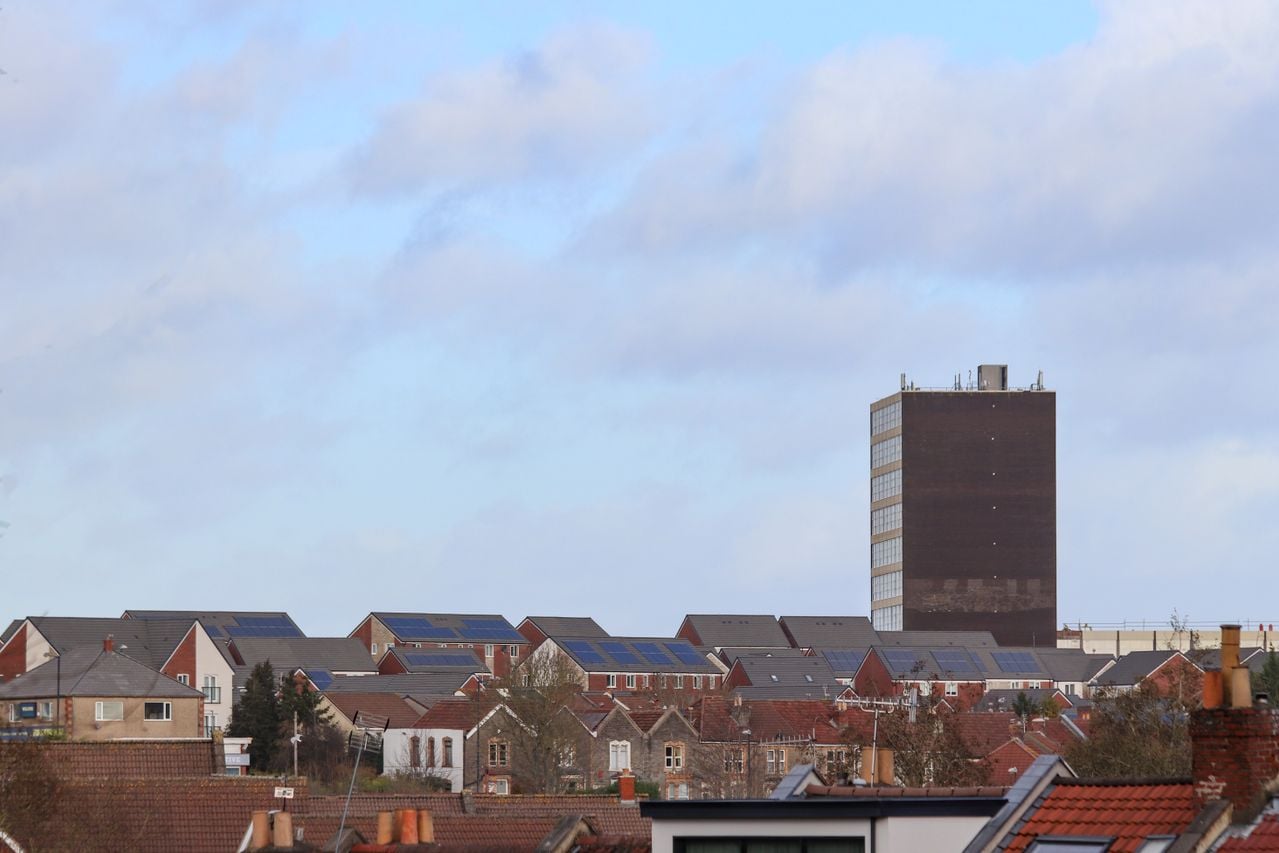
UK solar homes power equivalent of five hours of daily air con use during heatwave
24 June 2026
Analysis
Batteries and demand flexibility are ready to scale across the EU
24 June 2026