Chapter 3:
Solar's meteoric growth continues
In this chapter
Clean flexibility will light the way for further solar success
The EU’s solar success story continued in 2024, as the bloc saw a record annual increase in solar generation. An accelerated rollout of batteries and smart electrification will be key to cost-effectively sustaining solar’s impressive growth.
In 2024, solar grew in every EU country, delivering good progress towards 2030 targets. Sustaining that growth requires an accelerated rollout of clean flexibility, which will also help lower electricity bills for consumers. Solutions such as batteries and smart electrification are already mature and ready to deploy, but require policy action to reach their full potential.
3.1
Another record year for solar
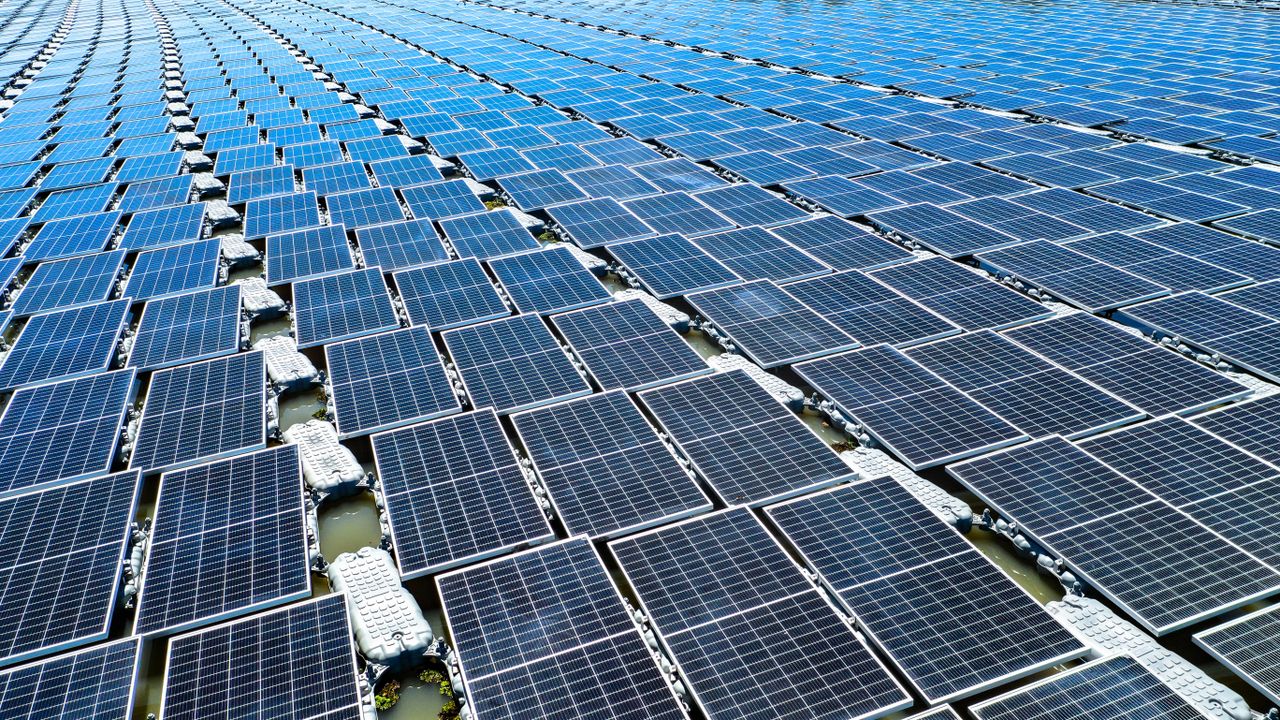
2024 marked a record annual increase in solar generation, up 54 TWh (+22%) compared to 2023, when solar generation had already increased by 40 TWh compared to 2022. 2024 was also a record year for annual capacity additions: the EU solar fleet grew by 66 GW, equal to over 450,000 panels added per day (see Methodology), and 4% more than the 63 GW of additions in 2023.
The rate of growth seen in 2024 is already above what the latest national targets would require, highlighting a disconnect between the rapid pace of on-the-ground market trends and the slow response of governments in updating their targets. Installed solar capacity reached 338 GW in 2024 and, if the current pace is sustained, the EU remains on track to meet the interim REPowerEU solar target of 400 GW total installed capacity by 2025. Furthermore, maintaining the current pace of growth would bring the EU solar target of 750 GW by 2030 within reach.
Solar is growing in every country
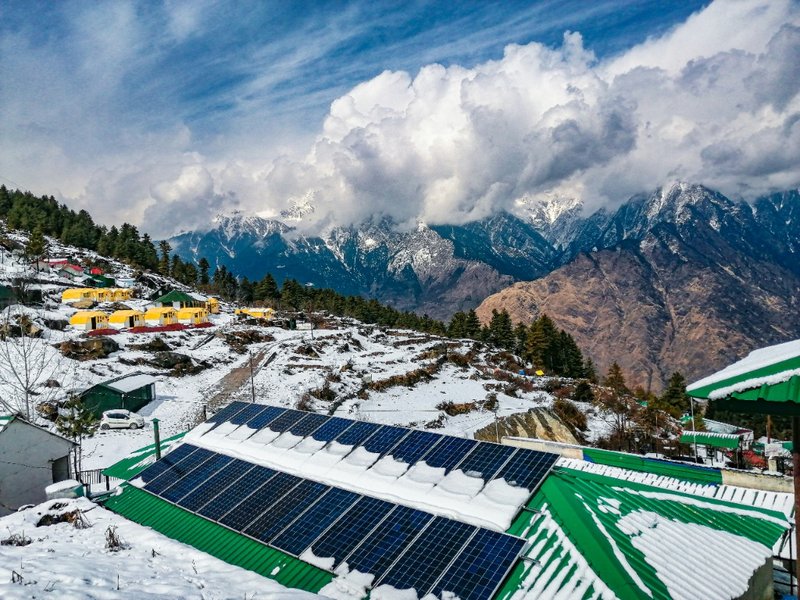
In 2024, all EU countries saw growth in both solar generation and installed capacity compared to the year before. 16 EU countries generated more than 10% of their electricity from solar in 2024, three more than in 2023. Innovative solutions are also emerging for solar beyond roofs and fields: solar on balconies boomed in Germany and policymakers are becoming aware of the vast unlocked potential for agri-PV.
Days with plentiful solar increase in many EU countries
At its peak production hours, solar is getting close to exceeding demand in the top-solar countries. In 12 EU countries, solar generation met 80% or more of power demand in at least one hour in 2024. In the Netherlands and Hungary, more than 70 days in 2024 saw solar meeting more than 80% of the country’s total demand at its peak production hour. This is a significant jump from 2023, particularly for Hungary, where the peak solar generation met more than 80% of domestic demand in only 10 days in 2023. Hours with abundant solar generation present a valuable opportunity to further reduce reliance on expensive fossil power, if solar growth is coupled with batteries, smart electrification, expanded grids and other clean flexibility solutions. Batteries, in particular, can shift abundant and cheap solar power beyond sunny hours to the evening demand peaks and replace expensive fossil power in power system balancing. Most of the clean flexibility tools are already deployable.
3.2
Clean flexibility will sustain solar growth and bring benefits
In 2024, plentiful solar contributed to lower power prices in the central hours of the day. At times, the lack of demand for abundant solar electricity pushed hourly power prices to zero or even below. Negative or zero price hours became more common in 2024 compared to 2023 (4% of hours on average across the EU versus 2% in 2023) and happened virtually everywhere in the EU.
Intraday price spreads widened as well, amplified by the high costs of fossil power generation ramping up in the evening. In 2024, across the large majority of EU countries, the difference between the minimum and the maximum power price within the day was higher compared to 2023, particularly in the summer. In Q3 2024, 18 EU countries saw average intraday price spreads increasing by at least 10% compared to the same quarter in 2023. In five countries (Bulgaria, Greece, Hungary, Poland and Romania), average price spreads in Q3 2024 doubled compared to the same quarter in 2023 and were above €200/MWh.
The business case for clean flexibility strengthens
Negative prices and increased spreads signal a business case for more clean flexibility options. Consumers could save money by shifting demand to periods of abundant solar generation and low prices (via smart electrification). Market participants could gain additional revenues by shifting solar across time (via storage) or space (via grids). Battery operators, for example, can earn revenues from buying power when prices are lower at midday and selling when prices are higher during the evening demand peak.
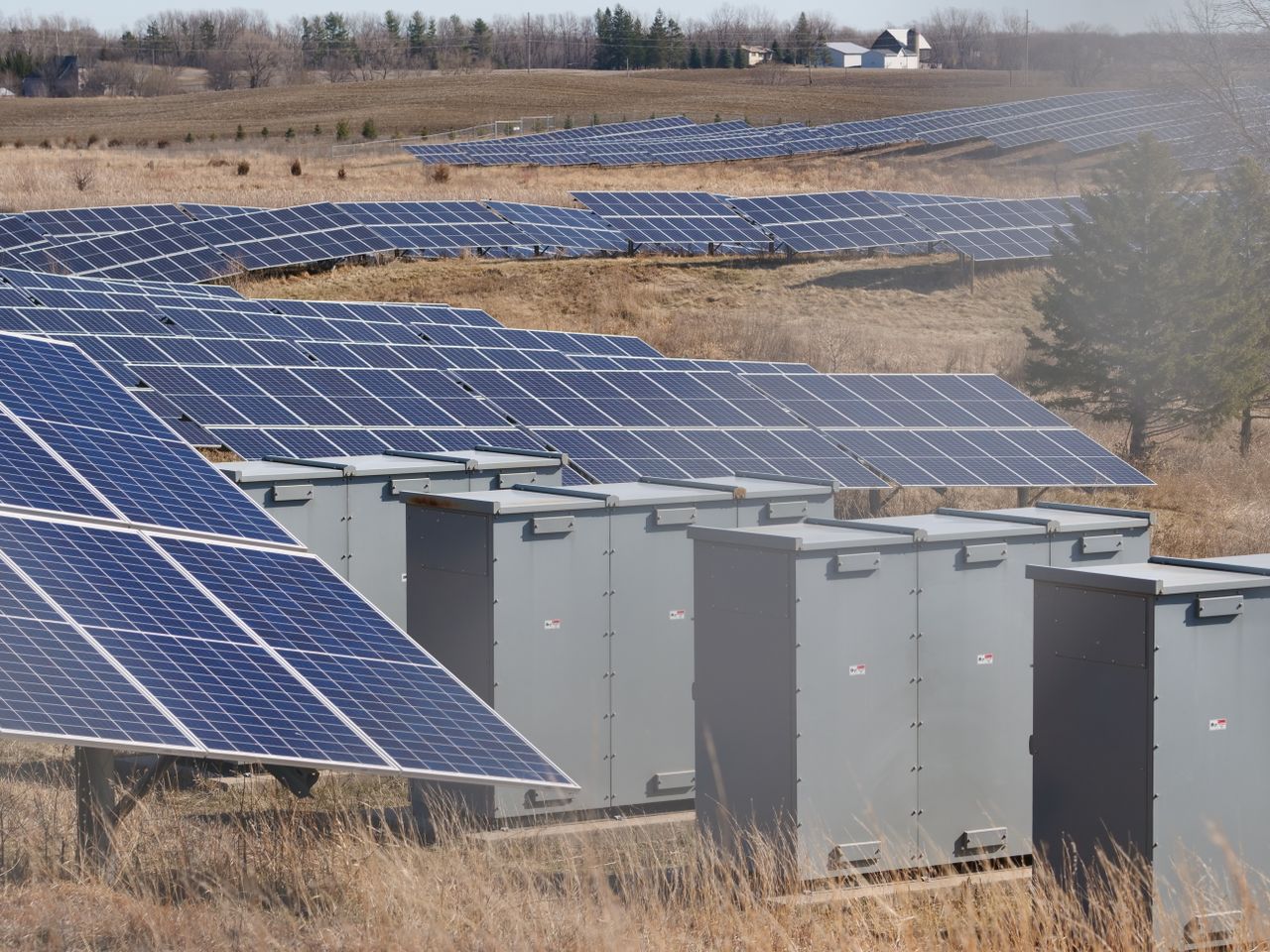
A readily available solution is a battery co-located with a solar plant. This gives solar power producers more control over the prices they receive and helps them avoid selling for low prices in the middle of the day. Battery storage co-located with solar plants is set to become an industry standard in the years to come. This is because it improves the business case for solar while keeping solar electricity competitive against fossil generation. In fact, a combination of grid-scale battery and utility solar can now produce electricity more cheaply than existing coal or gas power plants, according to a recent study of generation costs in Germany.
An improved policy framework for clean flexibility is needed
The deployment of batteries has been growing rapidly in recent years: EU installed battery capacity doubled to 16 GW in 2023, up from 8 GW in 2022. However, capacity is concentrated in a small number of countries, with 70% of the existing batteries located in Germany and Italy as of the end of 2023. Improving market access and removing barriers – such as double grid charging and restrictive requirements for participation in capacity markets and grid services – can unlock further private investments in battery storage across the EU.
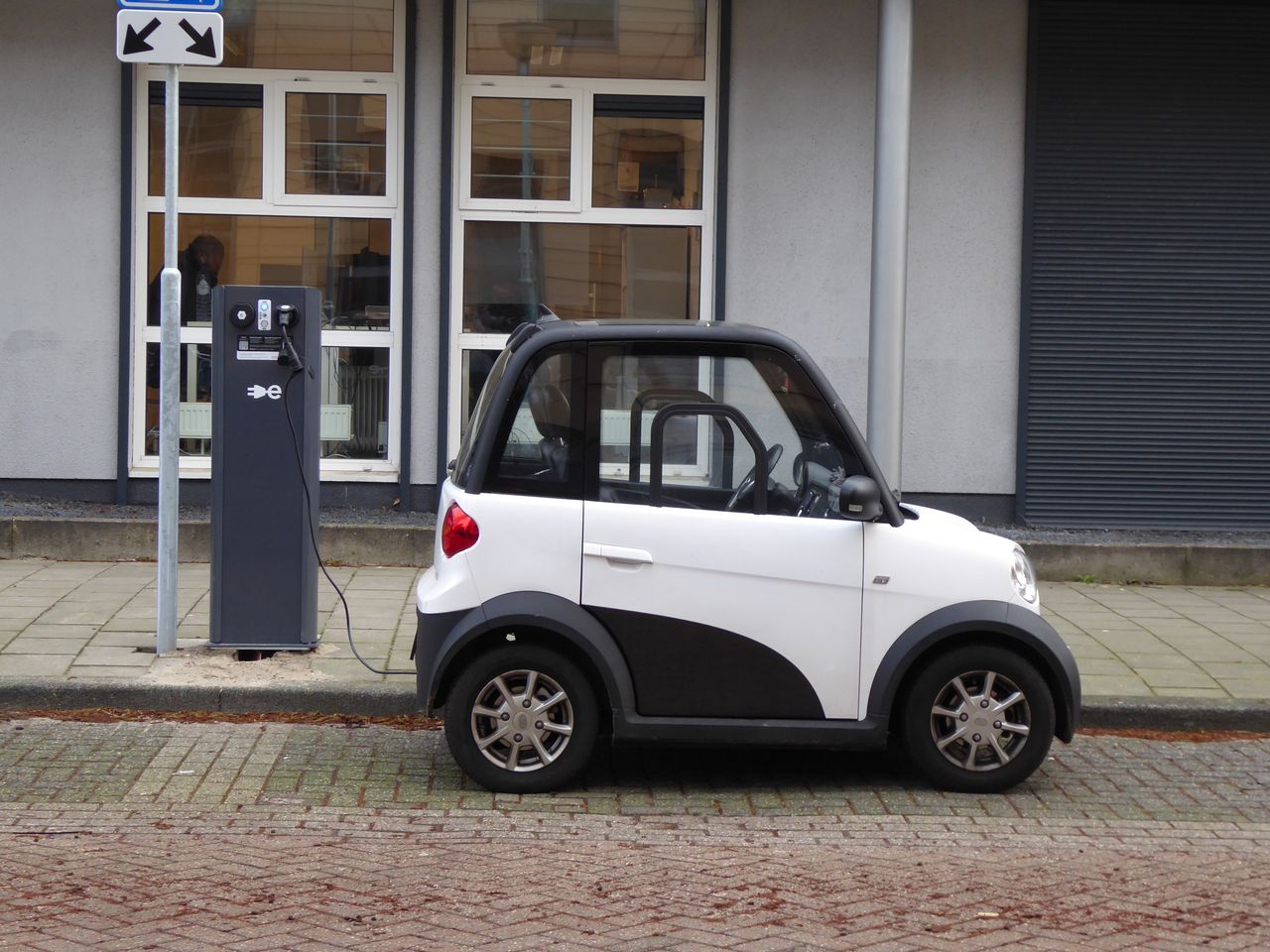
Additionally, demand flexibility and smart electrification can help consumers reduce their bills. Flexible electricity use is gaining traction: the number of smart energy tariffs and services available for European energy consumers has almost tripled in the last three years. However, barriers to demand flexibility still exist. For example, smart meters are critical for giving consumers real-time control over their energy use, but in ten EU countries fewer than 30% of households have access to them, and six countries have a smart meter rollout below 10%. Furthermore, the majority of EU power consumers are on fixed-price contracts, hindering their opportunity to access the cheapest electricity.
Grids and cross-border interconnectors are also key providers of clean flexibility. National targets that better reflect the rapid growth of solar would help in planning the EU’s grid expansion and modernisation, thereby optimising an effective solution for sharing abundant solar within and between countries.

Related Content