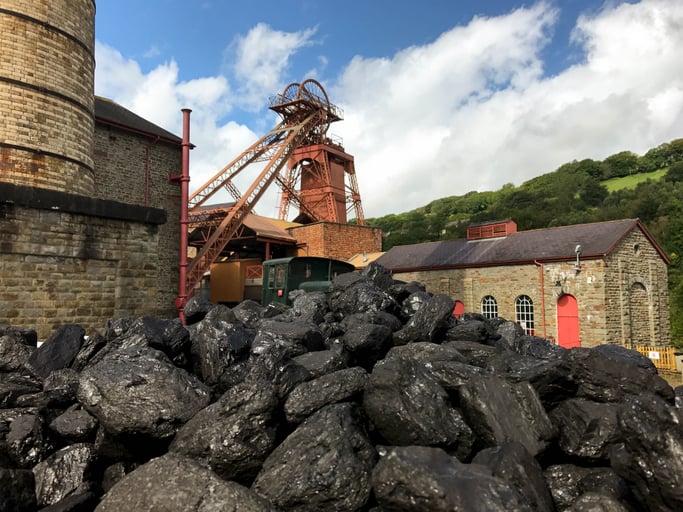

From Captive Coal to Green Nickel: Securing Indonesia’s Future Competitiveness



Summary
Unlocking Green Nickel: Indonesia’s Path to Climate and Competitiveness
Nickel is essential for batteries and EVs, yet most of Indonesia’s fast-growing nickel processing industry relies on captive coal, locking in one of the world’s most carbon-intensive industrial pathways.
This report asks whether Indonesia’s nickel transition can align with climate goals and long-term competitiveness — and what roles domestic policymakers, international partners, and especially China can play in shifting the trajectory.
Key insights include:
-
Indonesia’s nickel boom is deeply tied to captive coal power (Chapter 2).
-
Historical legacies, policy gaps, and planning inefficiencies continue to block a cleaner transition (Chapter 3).
-
Two futures are possible: green opportunism, which entrenches coal dependence, or green developmentalism, which uses decarbonisation as a driver of competitiveness. Strategic commitment is the decisive factor (Chapter 4).
-
China can be a pivotal partner in enabling cleaner nickel through evidence building, regional standards, demand signals, and implementation support (Chapter 5).
Supporting Materials
Related Content