
Chapter 1:
Country snapshots and opportunities
Three countries, one regional pivot
From emissions-intensive to investment hotspots, Viet Nam, Indonesia and the Philippines are at a defining moment. Together, they drive nearly 60% of ASEAN’s power demand and emissions. But these traditionally fossil fuel-reliant nations are also pivoting to clean energy. The three countries attracted $4.6 billion in clean energy investment in 2024. Surging industrial demand from AI, data centres, and electric vehicles creates a unique opportunity to fast-track their energy transition.
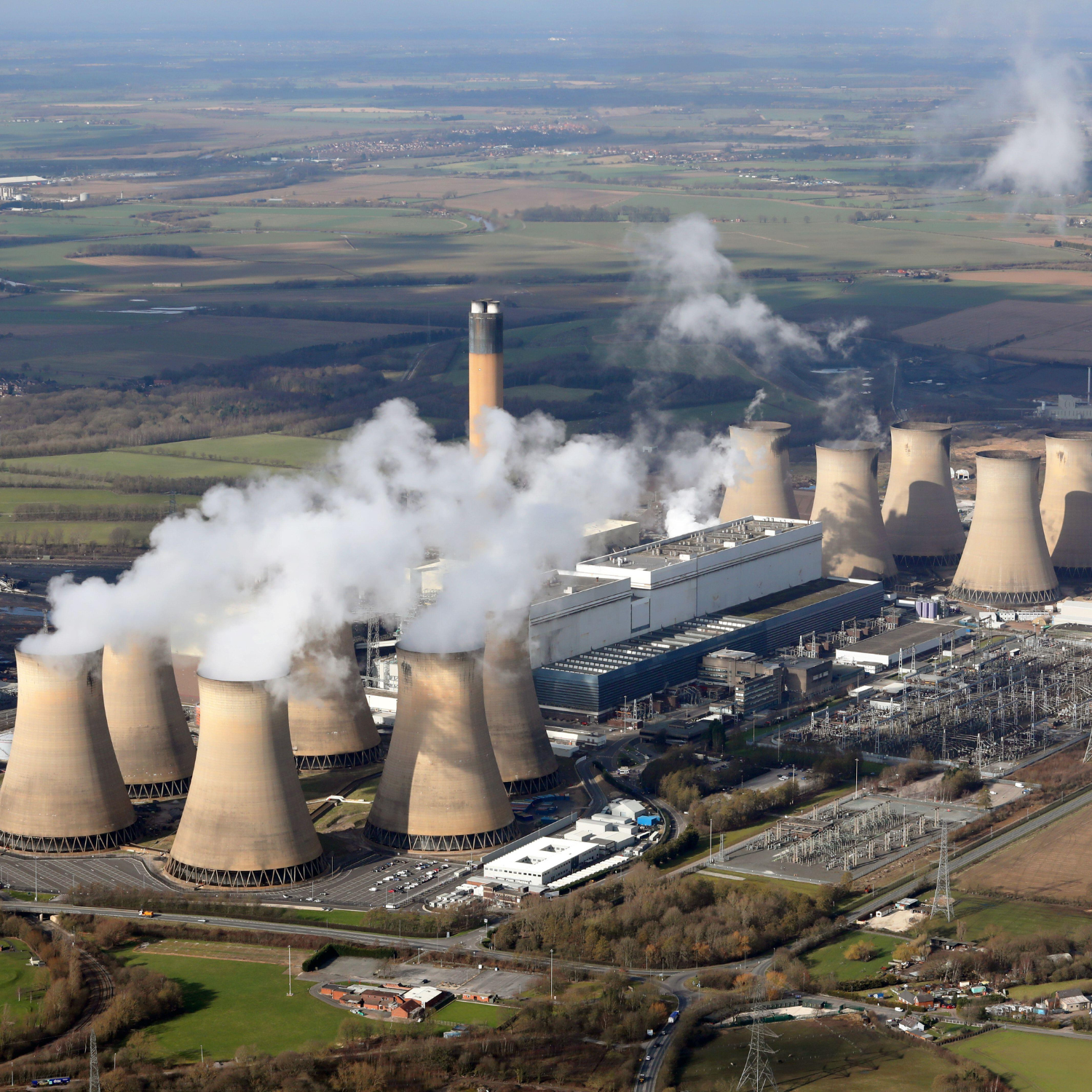
Coal still supplied 45% of ASEAN’s electricity in 2024, and the three countries drove a 76% share of that demand. Between 2014 and 2024, Viet Nam, Indonesia and the Philippines together accounted for 24-34% of ASEAN’s total coal use. In 2024, Indonesia contributed 17%, Viet Nam 11%, and the Philippines 6%.
But the three historically coal-dependent countries are beginning to turn the tide. While coal remains central to their energy mix, momentum is shifting as governments raise renewable targets and reform electricity markets.
As nations with growing manufacturing hubs, a young workforce, and growing appeal to energy investors, the three countries can lead the charge on renewable energy.
Based on national power development plans, each country aims for solar, wind, hydro, geothermal and biomass to make up more than 50% of its installed capacity mix by 2030–2034, some of the most ambitious national energy targets in the region.
Under the recently approved APAEC 2026–2030, ASEAN has also raised its collective ambition to 30% renewables in total primary energy supply and 45% in installed power capacity by 2030. For these three economies, the challenge now lies in translating ambition into concrete progress on the ground.
1.1
Country snapshots
Viet Nam
Viet Nam is one of Southeast Asia’s fastest-growing economies. Between 2013 and 2023, its gross domestic product (GDP) grew by an average of 6.7%, with the pace reaching 8% in 2022. Rising foreign investment, which surged 9.4% between 2023 and 2024, has reached $25 billion, supporting economic growth. Processing and manufacturing, real estate, energy-related sectors and the digital economy attracted most of this investment. Further, the country was also the third-largest recipient of China’s public clean energy investment in Southeast Asia, attracting $694 million between 2013 and 2023.
Rising industrial activity has driven steady growth in electricity demand, averaging 8.2% between 2013 and 2024. In fact, electricity demand increased even during the COVID-19 pandemic, when regional demand declined. Simultaneously, coal-based electricity generation grew 28% between 2013 and 2024 to meet the rising demand.
Viet Nam has also been ramping up renewable electricity generation at the same time. Between 2015 and 2024, it led the region in new wind (+9 TWh) and solar (+12 TWh) generation. The country’s first offshore wind farm is now set to operate by the end of this year, signalling plans to export to its neighbouring countries, Singapore and Malaysia.
As more variable renewable energy enters the grid, Viet Nam is also taking measures to maintain grid stability. A key move was the introduction of a new net-metering scheme, aimed at encouraging rooftop solar while ensuring a stable grid. Decree 135 emphasised self-consumption and restricted surplus energy sales of no more than 20%. The government is also evaluating battery storage integration in alignment with the national power development plan (PDP8).
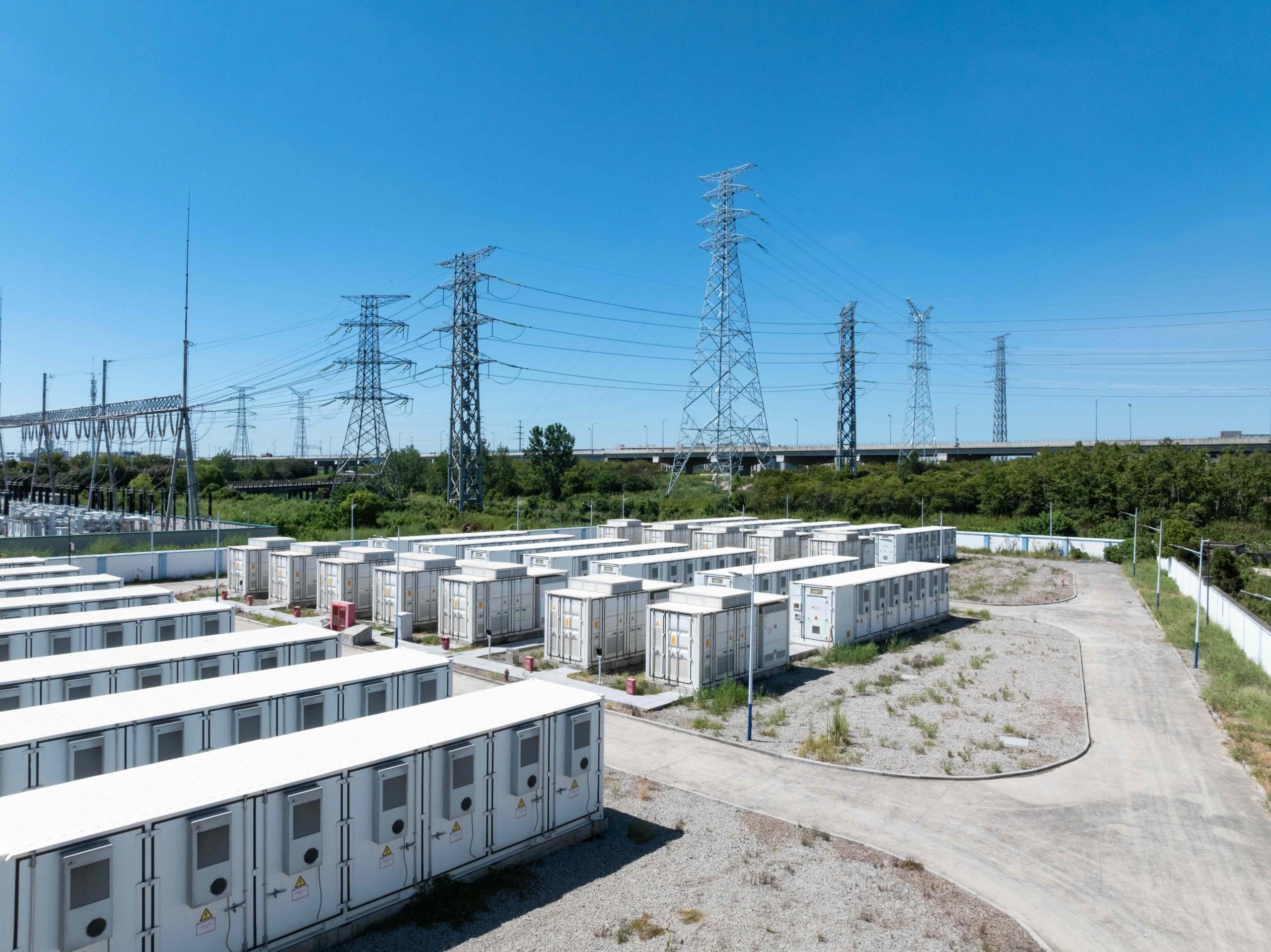
It is also exploring smart grid technologies, such as real-time dispatch systems, demand-side response, and predictive analytics, which are essential tools to manage variable solar output. As renewables expand, battery storage is emerging as a critical enabler for grid stability and solar integration, an area the government has started to prioritise.
These reforms, along with the Direct Power Purchase Agreement (DPPA), signal Viet Nam’s pivot toward a more competitive and consumer-driven electricity market, setting the stage for deeper market liberalisation.
The Philippines
The Philippines’ foreign direct investment (FDI) inflows reached $8.9 billion in 2024, driven by investments in manufacturing, real estate, renewable energy and telecommunications. The country’s market openness continues to attract clean energy investors, accumulating clean-energy investment growth from $2.6 billion to $3.4 billion, between 2015 and 2024.
The Philippines’ power mix remains dominated by coal and gas (77%), with other energy sources providing around 22% of generation in 2024. Between 2020 and 2024, solar generation nearly tripled (+2.3 TWh), while wind grew modestly (+0.2 TWh).
Solar additions between 2015 and 2024 was 2.8 gigawatts (GW), while wind capacity saw minimal growth, with additions of just 0.01 GW during the same period. Hydro capacity additions in the past decade amounted to about 0.3 GW.
Policy consistency and market openness are key to sustaining renewable growth. The Philippines operates on a fully liberalised electricity market, with the Wholesale Electricity Spot Market (WESM) running on three main islands. The government’s Green Energy Auction (GEA) Program and Green Energy Option Program (GEOP) have driven corporate demands for renewables, which signals a mature environment for foreign investment and private participation.
Indonesia
The FDI inflows to Indonesia in 2024 was $24 billion, ranked second after Singapore in ASEAN. Strong investment growth is driven by health care, manufacturing, automotive, and particularly, downstream mineral industrialisation. The government’s push to build a regionally competitive electric vehicle (EV) ecosystem is set to further drive up electricity demand.
Indonesia’s power mix is heavily coal-dependent (62.5% in 2024), with other energy sources, mainly hydro, bioenergy and geothermal, accounting for the rest. Solar and wind generation grew modestly by 2.4% (+0.88 TWh combined) between 2019 and 2024.
Rapid industrialisation, particularly in the nickel sector, has driven a surge in captive coal plants, now totalling 16.6 GW, accounting for 30% of the country’s total coal-fired installed capacity (54.7 GW). This is expected to reach 26.2 GW by 2026.
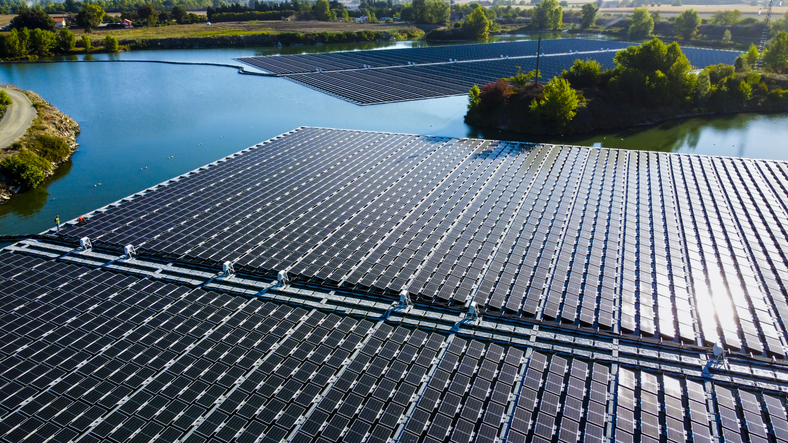
Despite this, there is new momentum for renewables in Indonesia. The country’s floating solar plants in Cirata demonstrated the technical viability of solar technologies in the new terrain and the government plans to install 100 GW of solar across the country, including the 250 MW Mentari Java Project. Under RUPTL 2025–2034, PLN targets 60 GW of new renewables with battery storage.
These developments indicate Indonesia’s shift from coal dependency toward more diversified, risk-managed clean energy investment, which is a transformation shaped by new PPA reforms.
1.2
Clean energy: The emerging opportunity
Across ASEAN, clean energy investment is gaining traction but remains limited. As of October 2024, Southeast Asia as a whole attracts only 2% of global clean energy investment, despite accounting for 5% of global energy demand.
Over the past decade, capital flows to clean energy investment in Southeast Asia have grown by $17 billion USD with the Philippines ($3.41 billion), Viet Nam ($0.69 billion) and Indonesia ($0.48 billion) among the top investment destinations in 2024.
Recent policies and ambitious targets send out positive market signals for clean energy investments.
- Viet Nam aims to expand solar up to 73 GW and onshore wind up to 38 GW by 2030 under PDP8, requiring 27 GW of new solar and 20 GW of wind within five years.
- The Philippines targets 35% renewables in its power mix by 2030 and 50% by 2040, reinforced by GEA rounds pairing solar and batteries.
- Indonesia plans 60 GW of new renewables capacity by 2034, underpinned by grid and financing reforms.
Across the three economies, growing interest in hybrid and storage-integrated projects reflects a growing recognition that flexibility will define the next phase of market competitiveness.
At present, solar continues to attract the largest share of clean energy capital.
Between 2020 and 2023, $6.9 billion in solar and wind projects reached financial closure in Viet Nam, the Philippines and Indonesia, where funding agreements are secured, allowing projects to move to the construction phase.
However, coal investments remained significant over the same period, amounting to $2.3 billion, indicating conventional energy still captures significant private capital.
Looking ahead, the pace of the transition in all three countries will hinge on market reform, which involves opening the power markets to private participation, ensuring fair risk-sharing for investors, and aligning regulatory incentives with system flexibility.

Related Content