
Chapter 3:
Electric and cleaner
Planning for cleaner EV charging
EVs can become enablers of a clean and more flexible energy system, rather than a burden on the grid. Achieving this shift requires aligning EV charging with high renewable energy generation periods, integrating smart charging technologies and adding new capacity by procuring clean electricity beyond the grid.
EV charging can provide the necessary flexibility, presenting a unique opportunity to support renewable energy integration. Mechanisms like time-of-day (ToD) tariffs can shift charging to renewable energy-rich hours. Green tariffs enable renewable energy-based EV charging via dedicated procurement by electricity distribution companies (DISCOMs). On the other hand, rooftop solar and renewable energy open access offer clean supply alternatives beyond the grid.
3.1
ToD as a mechanism for transitioning to renewable energy-based EV charging
While renewable energy procurement continues to climb at the state level, planning for India’s EV future goes beyond just scaling adoption. It involves positioning EVs as an asset within the power system. As the grid evolves, EVs can support peak load management, enable green charging aligned with renewable generation and serve as a flexible resource to balance supply and demand.
States are already adopting solar hour-specific time-of-day tariffs for EV charging
Several Indian states have introduced ToD tariffs for EV charging, encouraging consumers to charge EVs during solar hours (off-peak) by offering tariff rebates, while applying surcharges during evening peak hours. States such as Assam, Bihar, Maharashtra, and Madhya Pradesh provide rebates for charging during solar hours, typically from 10 AM to 4 PM, and impose surcharges during peak hours, often in the evening. Karnataka and Tamil Nadu have also adopted the ToD structure, using off-peak pricing early in the day and imposing peak charges during late afternoon and at night. ToD tariffs are also imposed on residential consumers in several states, which is consequently applicable to EVs opting for home charging.
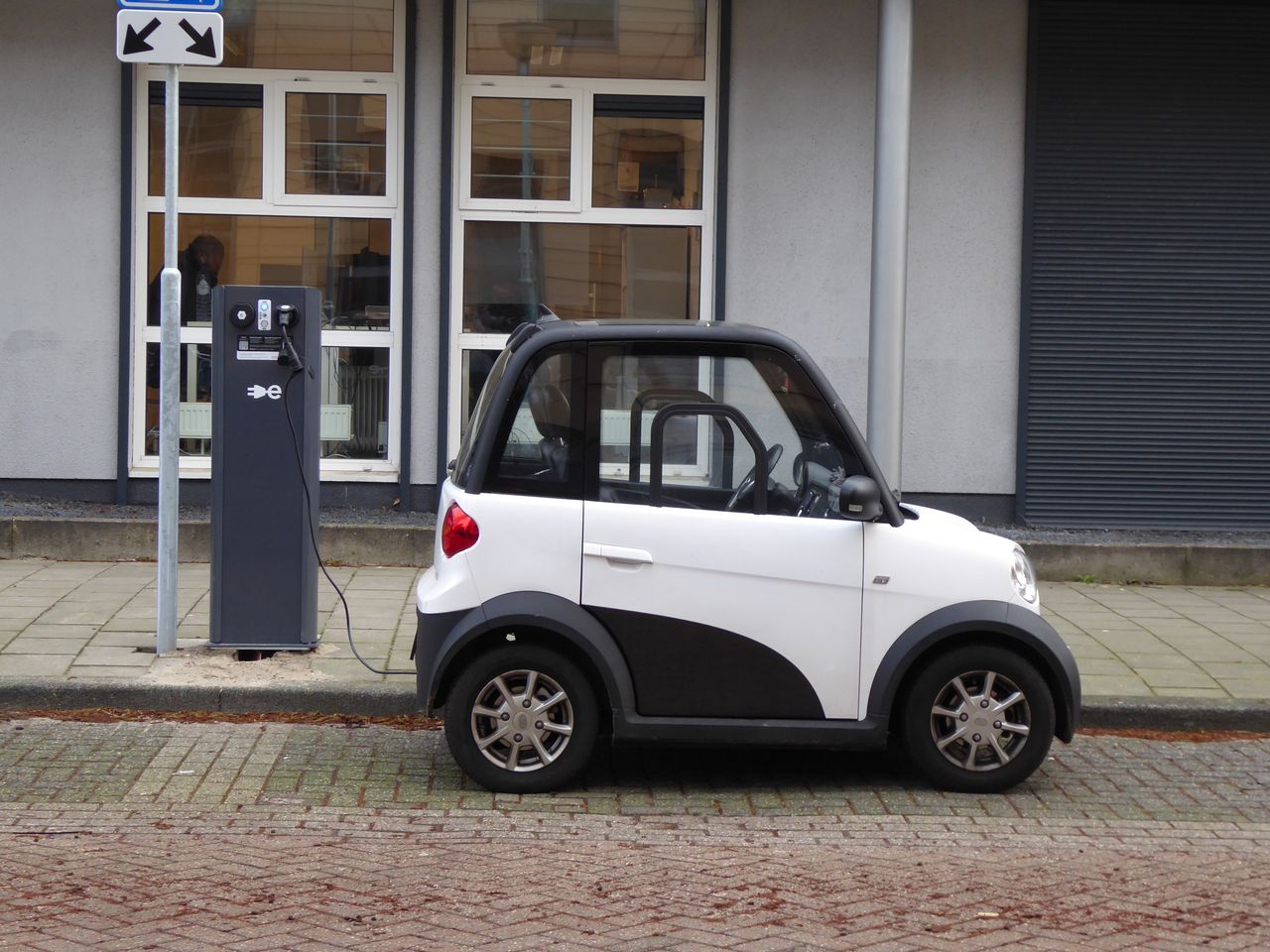
However, at present, the majority of EV charging occurs during late evenings and nighttime hours and most EVs are being charged at private (home) charging stations. Public charging stations (PCS) are being deployed, but moderately, with around 26,367 PCS installed across the country. As a result, although ToD tariffs encourage charging during solar hours to maximise renewable energy use and reduce the reliance on fossil-fuel-based electricity, they can inadvertently lead to higher electricity costs for EV users who charge outside the designated off-peak hours. This might lead to a financial burden, particularly for those lacking the flexibility to charge during the day, limiting the effectiveness of ToD tariffs in promoting affordable green EV charging.
Battery swapping route can be a solution to enable charging during off-peak hours, taking advantage of lower electricity tariffs. However, this model comes with several inherent challenges. A more immediate and effective solution is to accelerate the expansion of PCS to facilitate daytime charging.
3.2
Green tariffs as a route for transitioning to renewable energy-based EV charging
Green tariffs can provide a flexible and low-upfront investment pathway for EV charging through renewable energy sources. Under this mechanism, eligible consumers can procure a specified quantum of power by paying a green tariff (consumer category tariff rate plus premium) from their DISCOM, which certifies that the electricity has been sourced from renewables. These tariffs, notified by the respective State Electricity Regulatory Commissions (SERCs), can offer operational ease and a verified route to cleaner electricity use. The green tariff varies across states. For example, as per the latest tariff orders, the following premium is payable to avail 100% renewable energy in different states.
Currently, green tariffs are available only for consumers with a connected load greater than 100 kilowatt (kW), making the EV users who charge at home ineligible. Additionally, the premium may deter uptake of the green tariff route, especially among EV users in India, where electricity price sensitivity is still high.
3.3
Adding renewable energy capacity via alternate clean energy procurement routes
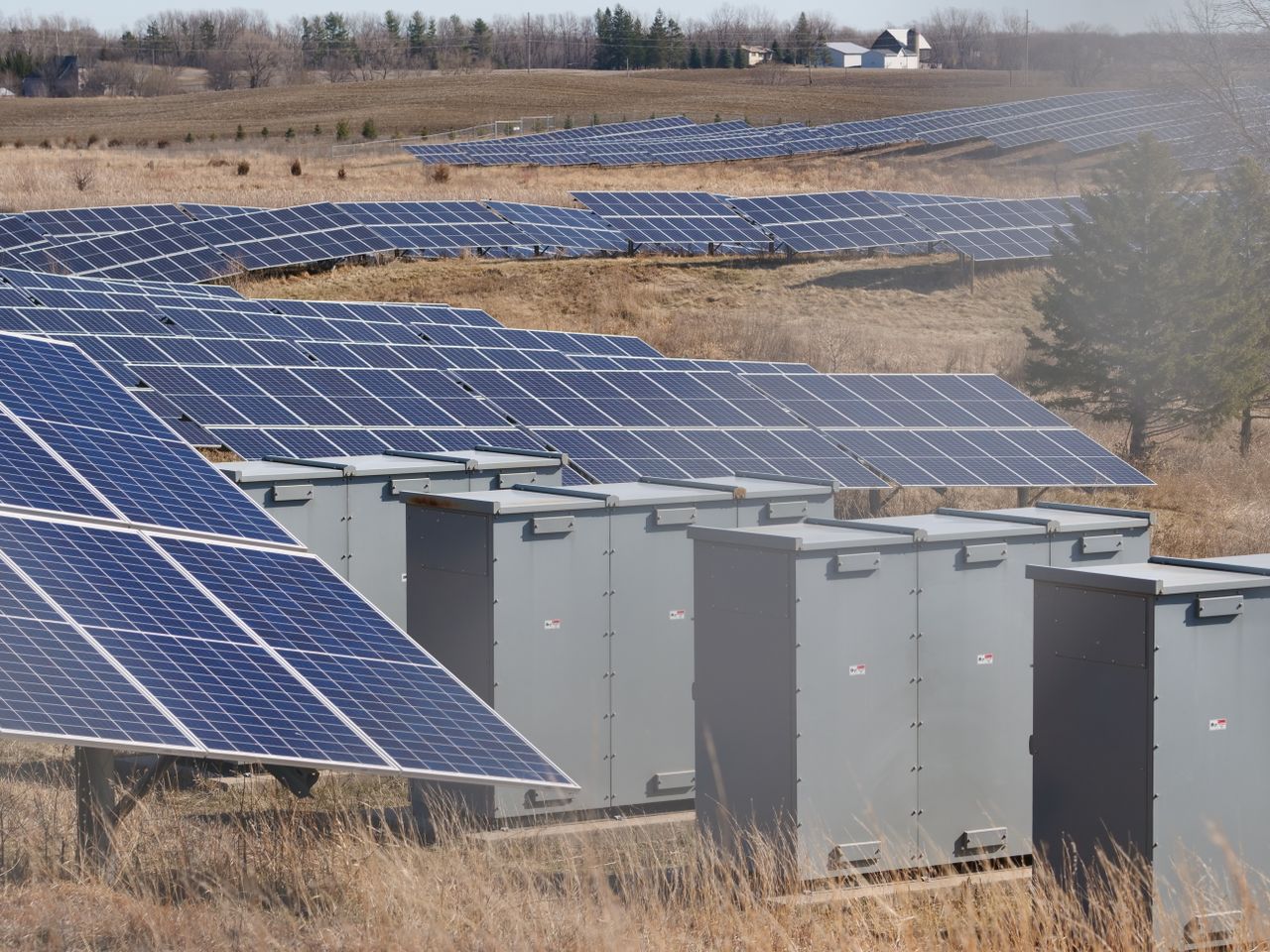
Rooftop solar and open access are two alternate routes to procuring renewable energy for EV charging. Both alternatives, though, have their own set of challenges.
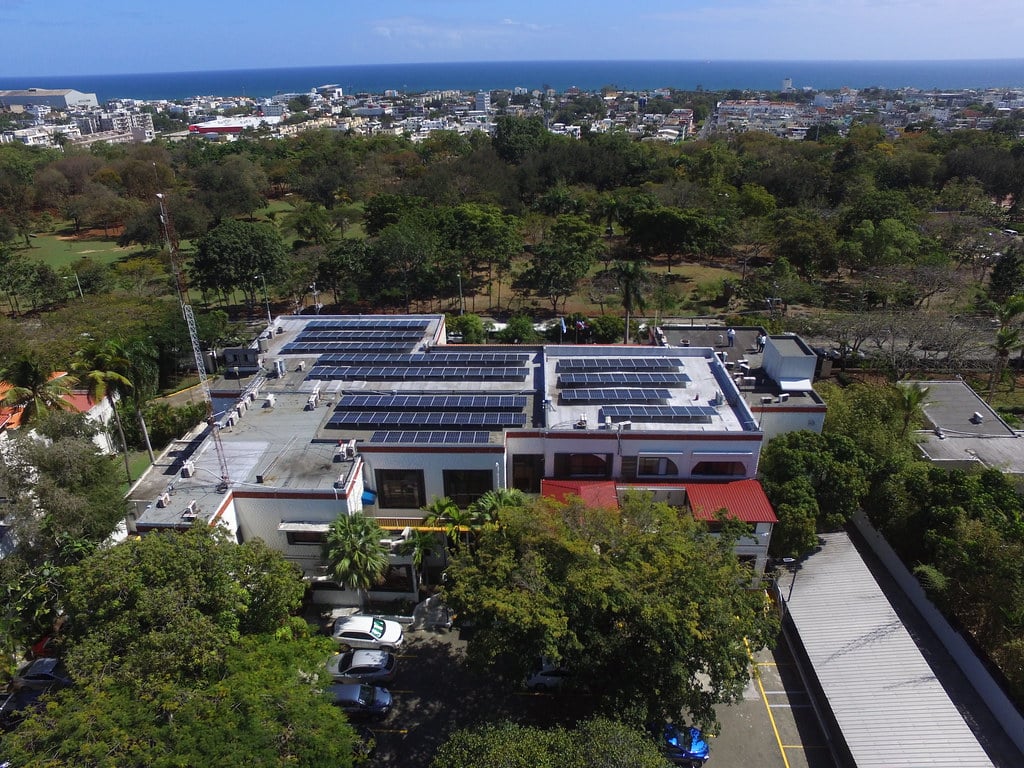
In rooftop solar-powered EV charging stations, solar panels are installed within the charging station premises, supplying renewable energy during the daytime while remaining connected to the grid. This model is gaining traction in cities like Delhi and Bengaluru. With the emergence of accounting mechanisms such as virtual and group net-metering in some states, even EV charging stations without sufficient rooftop space can benefit from rooftop solar installed off-site. However, the high cost of deploying EV charging stations integrated with rooftop solar, resulting in higher charging prices, remains a key barrier to fully unlocking their potential.
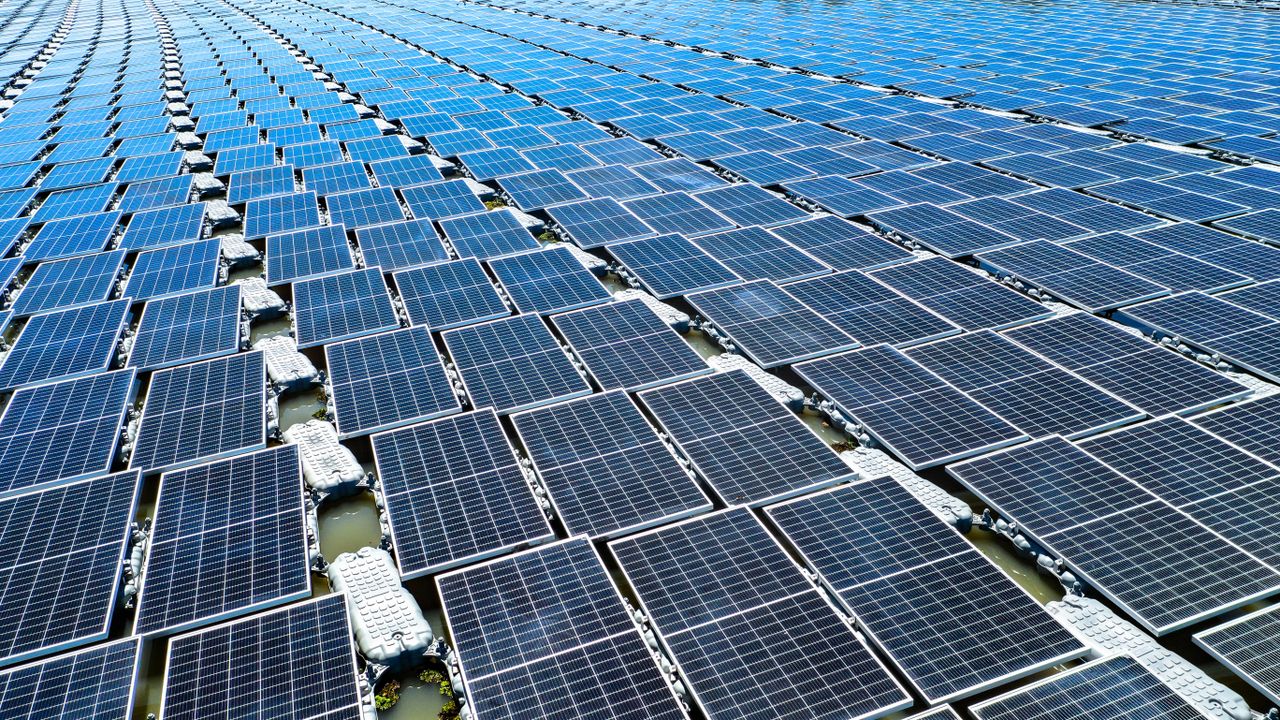
Another emerging option to add renewable energy for EV charging is through open access. This has become feasible after June 2022, when the minimum sanctioned load requirement for consumers to avail renewable energy through open access was reduced to 100 kW, enabling EV charging station operators to purchase green energy directly from producers. However, the upfront cost associated with captive renewable energy open access and the higher open access charges associated with third-party renewable energy open access, resulting in higher landed open access tariffs versus state-specific EV charging tariffs, have restricted the uptake of this route.

Related Content