
Conclusion
Steering India’s EV transition towards greater decarbonisation gains
India’s renewable energy and EV growth trends reflect the impact of targeted policies and incentives. A similar strategic approach is needed to foster synergy between these sectors, positioning EVs as grid assets to further renewable energy integration.
India’s EV transition represents a pivotal transformation in sustainable transportation, demonstrating the effectiveness of comprehensive policy interventions. However, this study reveals a fundamental paradox: while EVs deliver zero tailpipe emissions, there lies an added opportunity to further the emission reduction effort by charging them with clean electricity.
The path forward requires synchronising EV charging with renewable energy availability. This will position EVs not just as a new electricity demand but also as a flexible asset that can absorb renewable energy when it is most available. Building this synergy requires a holistic shift in policy, infrastructure development and market design.
Promote charging when renewable energy is available
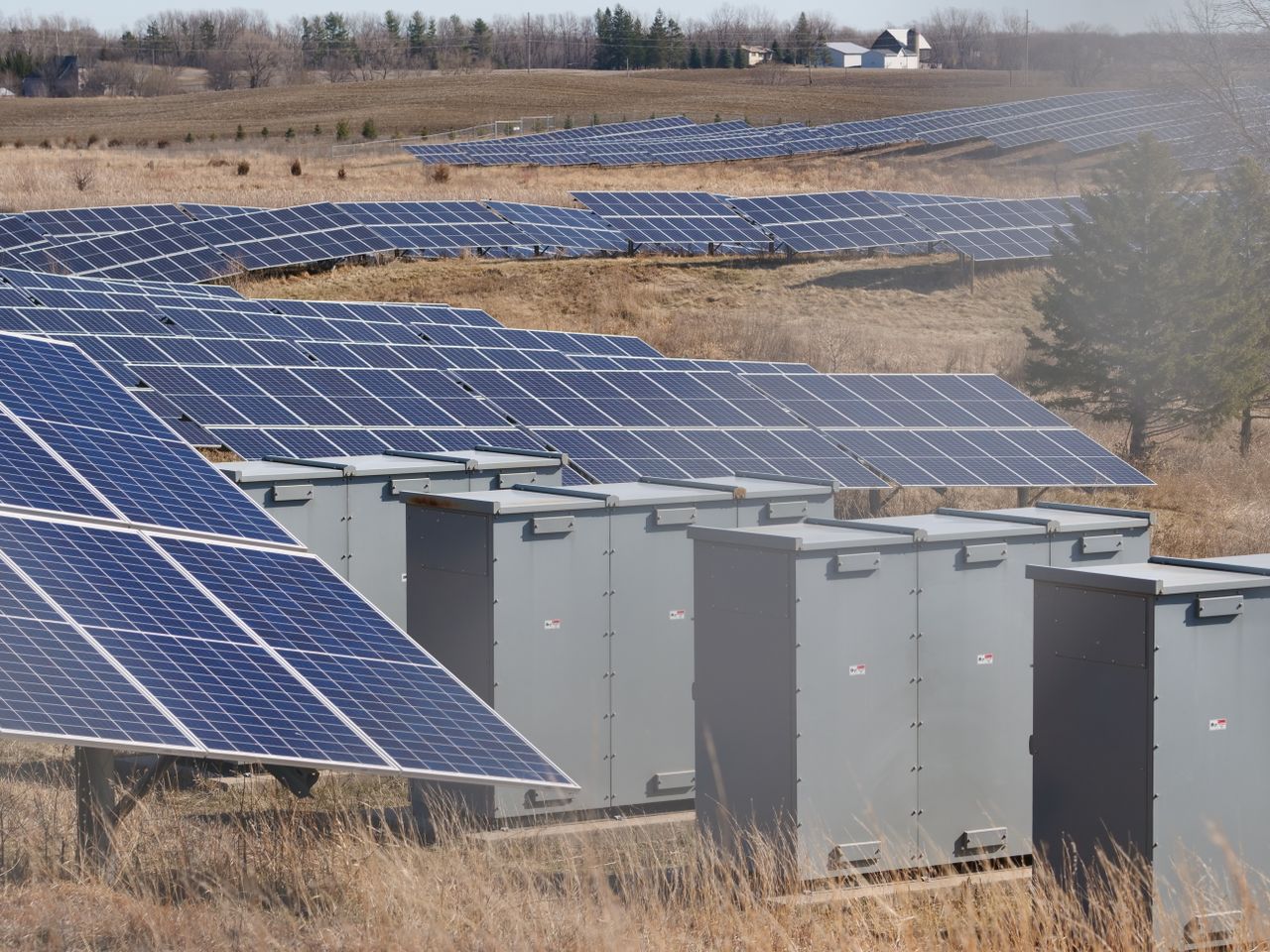
To maximise the emission reduction benefits of EV adoption, charging must increasingly coincide with renewable energy generation. Implementing and strengthening ToD tariffs to incentivise charging during solar hours, especially at public charging stations, will be essential. Additionally, promoting alternative charging models such as solar-powered EV charging stations and co-located solar-plus-storage systems, incentivised under a distinct category, will be critical to align EV charging with clean energy availability.
Accelerate EV charging infrastructure deployment
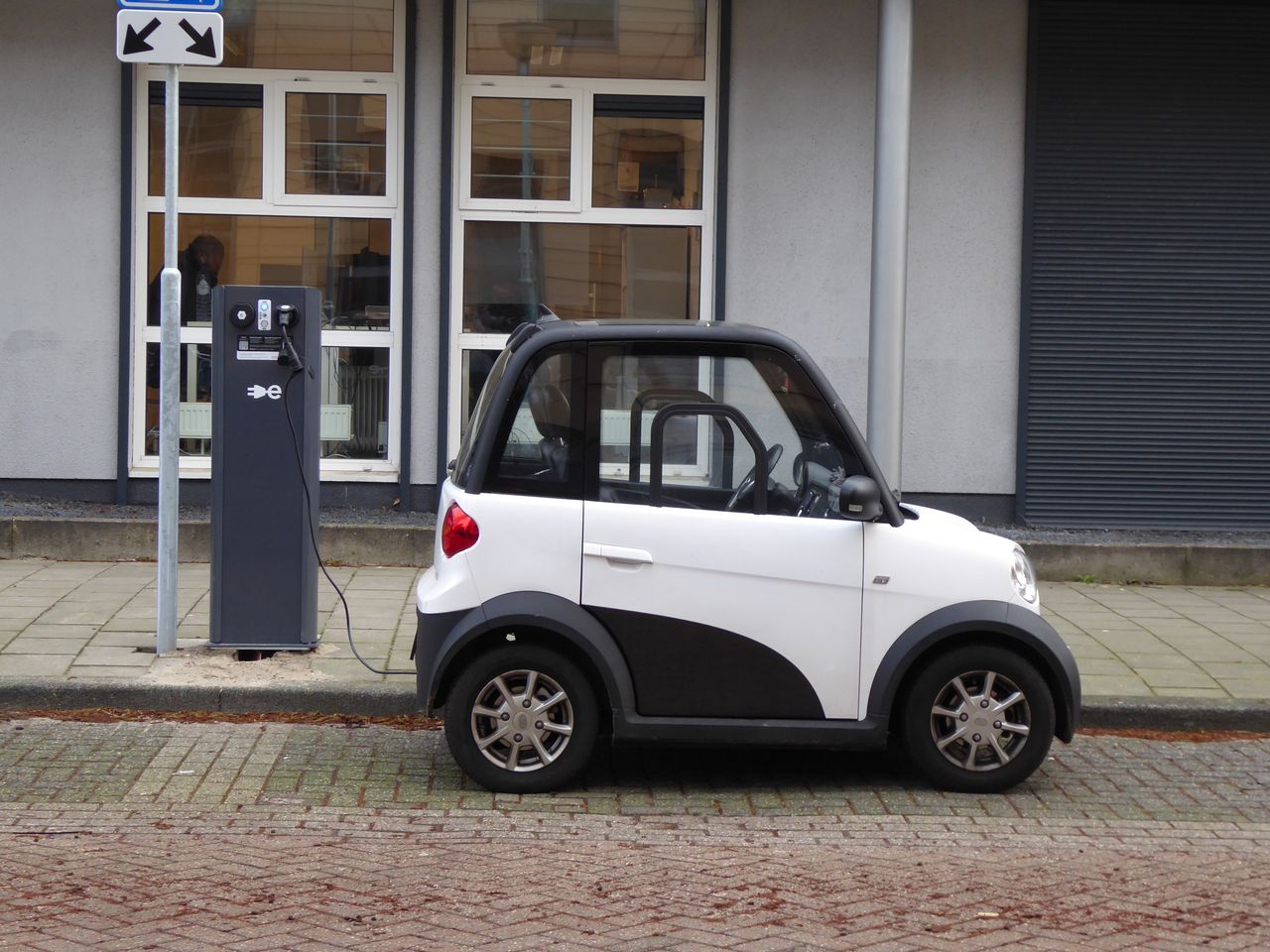
Rapid deployment of public charging infrastructure, especially at workplaces and commercial hubs, will enable a shift from nighttime to solar-hour EV charging. The IEA projects a need for 0.22 million slow and 0.16 million fast charging points by 2030. A continued central support beyond the PM E-Drive scheme (2024-2026) will be necessary. Further, states should update policies nearing expiry with a central focus on expanding and strategically locating EV charging infrastructure.
As the EV ecosystem matures, accelerating smart charging adoption will become essential to position EVs as grid assets. Smart charging can enable demand response, peak shaving and provision of ancillary services.
Improved tracking of EV charging data
Currently, most EV users charge at their homes, resulting in limited visibility into charging patterns, timing and demand. Establishing mechanisms to collect and aggregate this data while ensuring user privacy can equip DISCOMs with critical insights to forecast EV-driven electricity demand and effectively operationalise ToD tariffs.
Additionally, data on PCS across states remains limited. An exhaustive state-wise PCS dataset can help track evolving user preferences between home and public charging. This information will not only support grid planning but also play a key role in identifying underserved areas, thereby encouraging new infrastructure developers to invest in charging networks.

Related Content