

Germany’s flawed assumptions behind €4.4bn lignite compensation
Three key assumptions in the German government’s calculation lead to a systematic overvaluation of the compensation payments

About
Ember has obtained the formula for Germany’s lignite compensation payments from Greenpeace, through an information request they made to Germany’s Ministry of Economics.
This is the first time that it has been possible to show how the German government calculated the proposed compensation payments of €4.35 billion for utilities RWE and LEAG. Our assessment of the formula is that it contains three key assumptions that lead to a systematic overvaluation of the compensation payments.
Download the report for Ember’s full analysis of the compensation formula, including a detailed breakdown of each problematic assumption.
Executive summary
Flawed assumptions inflate compensation payments
In December 2020, the German government approved a contract to compensate owners of lignite power plants for the closure of their assets. Under this agreement, RWE and LEAG will receive €2.6 billion and €1.75 billion to shut down some of their plants and mines before 2030.
Ember has obtained the formula used for Germany’s lignite compensation payments from Greenpeace, through an information request it made to Germany’s Ministry of Economics (BMWi). For the first time, it has been possible to examine how the German government calculated the proposed compensation.
Our assessment of the formula is that it contains three key assumptions that lead to a systematic overvaluation of the compensation payments.
Any three of our proposed adjustments, when considered individually, would approximately halve the compensation amount. If combined together, they would reduce the compensation from €4.4 billion to just €343 million.
Problematic BMWi assumptions
What issues came to light in the government’s formula?
Applying arbitrary power and CO2 prices
The BMWi calculation takes average forward power and CO2 prices from Jan-17 to Dec-19. We feel using forward prices from Jan-20 to Dec-20 is fairer, as this more closely corresponds to expected utility hedging strategies for 2021-2023. Compensation would be almost halved to €2.6 billion instead of €4.4 billion.
Assuming no fixed costs can be saved through early closure
A proportion of future fixed costs are avoided when a plant and mine are closed. We feel Oeko Institut’s assumption of partial fixed costs savings is fair. This would halve compensation to €2.1 billion instead of €4.4 billion.
Assuming 4 to 5 years of compensation
Oeko Institut proposes that the period of compensation for accelerating shutdowns should be three years. We feel this is a fair assumption – and may even be generous as company plans suggest assets were forecast to close earlier. Three years would reduce compensation to €2.8 billion instead of €4.4 billion.
Conclusion
Compensation calculations need further scrutiny
We are not alone in our concerns regarding the compensation calculations. In March, the European Commission launched an investigation to assess the validity of the compensation under EU State aid rules. The Commission published their findings in a letter on 21 April, expressing genuine doubts about the assumptions the German government has made in determining the payment amounts.
The issue of compensation for the closure of lignite plants has become increasingly contentious with the German government’s new proposed emissions reduction target of 65% by 2030 and carbon prices exceeding €55/tonne.
Supporting materials
Acknowledgements
Notes
Commissioned by Greenpeace Germany
Analysis
Dave Jones and Sarah Brown
Input
Karsten Smit – Greenpeace
Philipp Litz – Agora Energiewende
Header Image
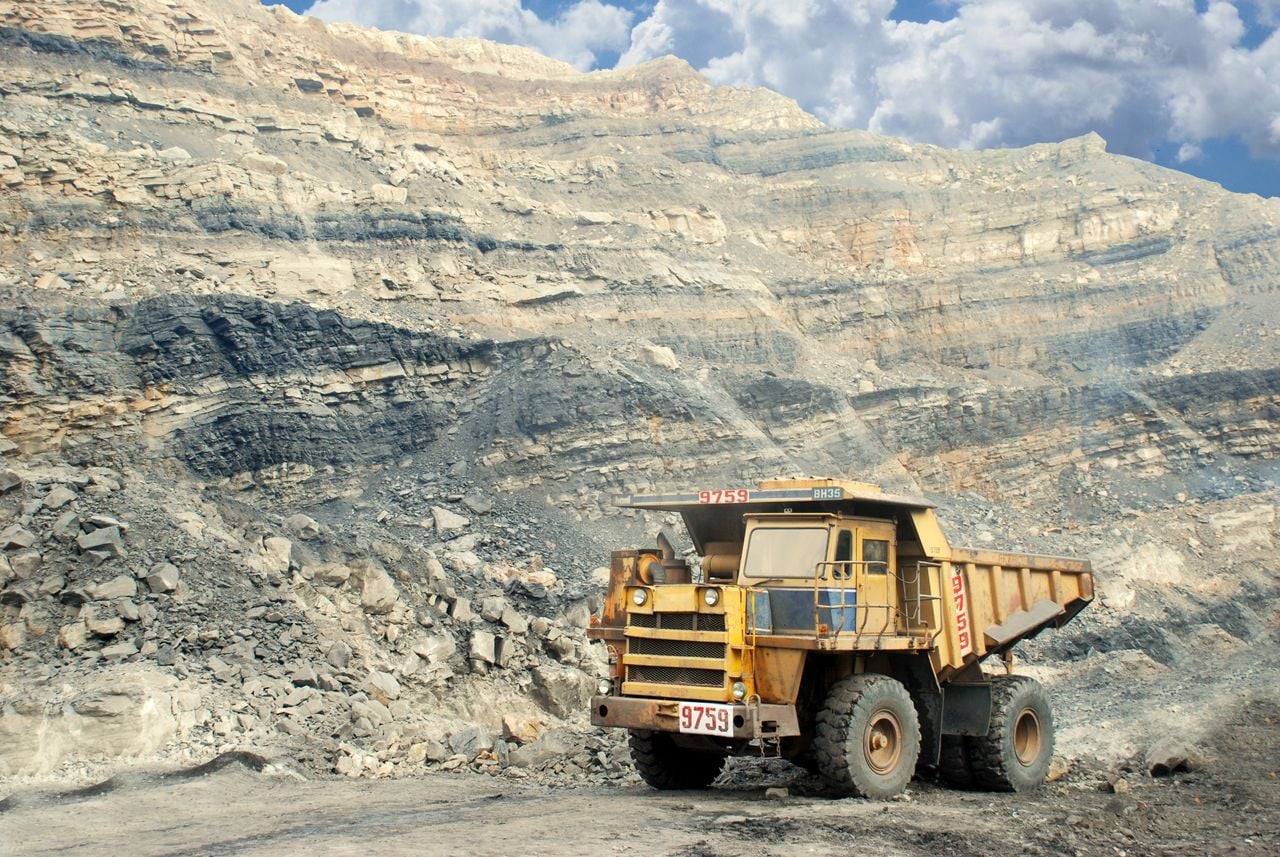
Tagebau Garzweiler open pit coal mine in Garzweiler, North Rhine-Westphalia, Germany
Credits: Wojciech Stróżyk / Alamy Stock Photo
Related Content