

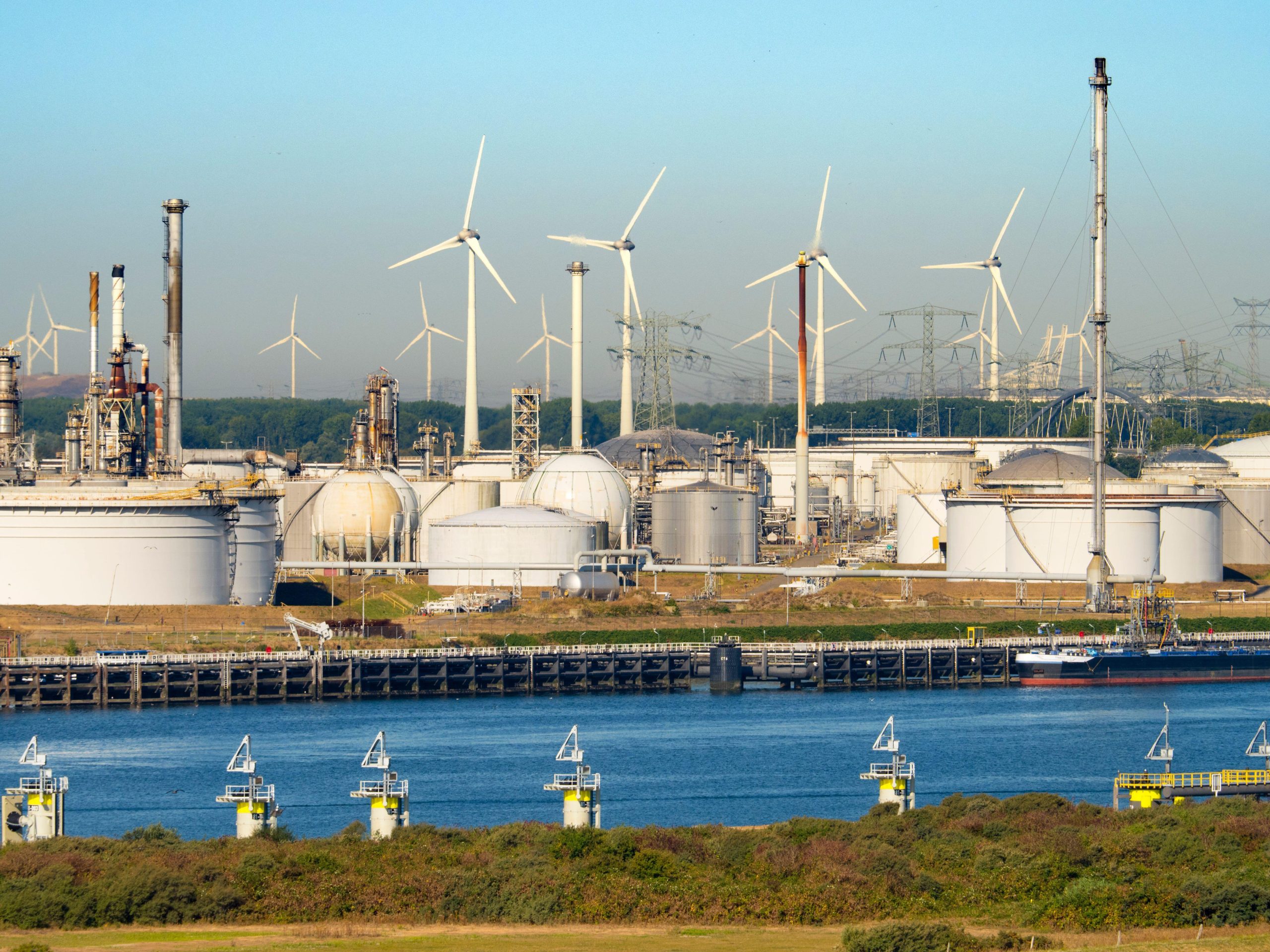
Latest energy shock reminds Europe of its risky gas reliance
Gas prices are spiking as conflict escalates in the Middle East. Reliance on gas for electricity generation varies across the EU, exposing some countries more than others to the risk of rising bills.
13 Mar 2026
7 Minutes Read

The first ten days following the escalation of the conflict in the Middle East have been a painful reminder of the EU’s fossil reliance. The rise in fossil prices increased the EU’s fossil import bill, which could have a knock-on effect on electricity prices. Countries that rely less on gas power are more insulated from this risk.
- The cost of gas-fired power across Europe has increased by more than 50% due to the gas price spike since February 28.
- This rise adds twice as much to electricity costs as the cost of carbon due to the EU Emissions Trading Scheme (ETS). At current gas prices, the carbon cost constitutes at most around 10% of the final EU household electricity bill, less than the average rate of VAT (18%).
- Countries that rely less on gas power are less exposed to electricity price increases. In Spain, gas influenced the price of electricity in only 15% of hours in 2026 so far, compared to 89% in Italy. Average power prices in Spain remain below the cost of gas-fired power, and lower than other EU countries with large gas power fleets.
- The EU paid an additional €2.5bn for fossil fuel imports in the first 10 days of the conflict.

Once again global conflict has sent gas prices soaring, with potentially dramatic economic consequences for import-dependent regions. Clean power paired with electrification is the only way to shield against sudden gas and power price hikes in this and future crises. Some countries have moved faster than others, with plenty of work still to do to build a resilient, clean, electrified energy system across the bloc.

Dr. Chris Rosslowe
Senior Energy Analyst, Ember
Senior Energy Analyst, Ember
Gas prices spike amid crisis impacts
Fossil price volatility strikes again
The latest escalation of conflict in the Middle East has caused significant disruption to global fossil fuel supplies. Strikes by Israel and the US on Iran prompted the country to effectively close the Strait of Hormuz – the most important energy chokepoint in the world. Roughly a fifth of global oil and liquefied natural gas (LNG) supplies transit the strait annually. Iran also launched attacks on neighbouring states, including Qatar, resulting in the closure of the Ras Laffan facility which produces roughly a fifth of global LNG.
European gas prices soar following global supply disruptions
International oil and gas prices climbed immediately following escalation of conflict, and have remained elevated. European gas prices (Dutch TTF – Title Transfer Facility) averaged €45/MWh in the first week of the conflict (2 – 6 March), an increase of nearly 50% compared to pre-conflict levels (€31/MWh).
The immediate risk of supply shortages for Europe is low because direct gas imports from the Middle East are relatively small. Around 10% of EU LNG imports are sourced from Qatar, equivalent to roughly 5% of all fossil gas imports. Some European countries, however, have higher dependencies. Italy and Belgium sourced 36% and 24% of their LNG imports from Qatar in the first half of 2025, respectively.
First ten days of conflict increases EU fossil import costs by €2.5 billion
Europe’s fossil import bill sky-rocketed during the previous fossil fuel crisis, triggered by Russia’s invasion of Ukraine, and is now set to increase again. The EU’s total fossil import bill rose from €313 billion in 2021 to €693 billion in 2022, falling back to €376 billion in 2024. In total, inflated prices due to the previous crisis added almost €1 trillion to the EU’s fossil import costs.
In the first ten days of the current crisis, the rise in fossil fuel prices will have already cost Europeans an estimated €2.5 billion (compared to the cost at pre-conflict price levels, see Methodology).
Some EU countries are more exposed to gas price impacts than others
All European consumers will feel the impact of the fossil price spike in some way, whether it’s the cost of gas for heating or diesel for transport, or higher food prices as the cost of fossil-based fertilisers increases. In addition, most countries will be burdened by an increase in electricity prices – particularly those lagging behind in deploying renewables and clean flexibility which reduces the influence of gas on electricity prices.
The cost of gas-fired power has increased by over 50%
Surging European gas prices have driven up the cost of gas-fired electricity generation by more than 50% in just 10 days since the conflict began. This rise adds twice as much to costs of gas-fired electricity as the cost of carbon due to the EU Emissions Trading Scheme (ETS).
Gas influence on power prices varies by country
Countries that rely most on gas for electricity production are most at risk of electricity price rises. Under the marginal pricing system, the most expensive form of power generation required to meet demand sets the market price. Typically, this is gas, creating a link between gas and electricity prices.
Due to the interconnected nature of Europe’s grid, every country will feel some impact of the increased gas prices, but it will be strongest in countries that retain a strong reliance on gas for electricity production and power system flexibility. Structural decoupling has been achieved in the Spanish market, but other countries have been slower to weaken the market power of gas. Of the countries with significant fleets of gas power plants, Italy is one of the markets most exposed to gas prices, and Spain the least. In Spain, gas influenced the price of electricity in only 15% of hours in 2026 so far, compared to 89% in Italy.
Gas reliant countries affected by electricity price spikes
It is too early to conclusively assess what impact this latest gas price spike will have on electricity prices, but there are some early signs of impact. Price volatility has increased in March, especially in the highly interconnected markets of central and western Europe, driven by price spikes in the gas-heavy early morning and evening hours. In the first week of March, power prices rose to their highest levels of the year in Germany, Netherlands, Italy and Belgium. Less gas-reliant countries such as Spain, Portugal, France and the Nordics appear less impacted.
If high gas prices persist, countries with the lowest reliance on gas-fired electricity should be shielded from rising power prices. During the previous gas crisis, the gas-free Nordics saw much smaller impact on electricity prices than the rest of Europe. Since then, there has been a boom in renewables in Europe, particularly solar, meaning more parts of Europe should be more resilient to gas-driven price increases. Spain, which has significantly decoupled the prices of gas and electricity, had started 2026 with some of Europe’s lowest electricity prices. Since the escalation of conflict, average power prices in Spain remain below the price of gas-fired power, and lower than other EU countries with large gas power fleets.
Knee-jerk electricity market reforms won’t solve the fundamental issue of gas reliance
In recent weeks, questions have been raised again about the suitability of the marginal pricing system. The carbon price (EU-ETS) has also come under scrutiny, with industry groups lobbying to weaken the mechanism and the Italian government calling for a suspension. Amid these debates, the latest crisis is another painful reminder that the volatile cost of gas has a much larger impact on electricity prices than the carbon price does.
More time is needed to see the results of the last major EU electricity market reforms, which were only agreed in 2024 and have yet to be fully implemented. Intervening again now would change the rules mid-game, increasing uncertainty and potentially slowing down investments.
Countries that have shielded themselves from price spikes by reducing gas reliance – like Spain – have shown that the marginal pricing system can deliver competitive electricity prices. Plans like Italy’s – to reimburse carbon cost to gas power plants – do not protect consumers from highly volatile commodity markets and price spikes. It’s far from guaranteed that removing carbon costs would significantly lower consumers electricity prices. Electricity market prices – which include the cost of carbon – make up less than half of the typical EU household electricity bill. At current gas prices, the carbon cost constitutes at most a fifth of this cost segment, translating into at most 10% of the final electricity bill (see methodology). This is less than the average rate of VAT on electricity which was 18% in 2024. Shifting taxes and levies off electricity bills is a more certain way to lower electricity prices without re-designing electricity markets.
While the price impact of removing carbon costs is uncertain, it would certainly remove a stream of revenue and an incentive to invest in clean alternatives. Only these alternatives – renewables, batteries, demand flexibility, and electrification – can build resilience to future fossil fuel price shocks.
Supporting information
Methodology
Gas influence on the electricity price
The influence of fossil power generators on the power price is estimated by the share of hours in a specified period when power prices are equal to or exceed the average cost of generating electricity with fossil gas. The methodology aligns with ACER market monitoring report 2025.
The cost of producing electricity using fossil gas is represented by the Short Run Marginal Costs (SRMC) of gas power generation. This cost is the sum of fuel costs, carbon costs and variable operating and maintenance costs, assuming a gas power plant efficiency rate of 50%. For more detailed information, refer to Ember’s European electricity prices and costs tool.
Increase in EU fossil import costs in the first days of conflicts
Daily average import quantities of coal, oil and gas are calculated using the latest EU import data from Eurostat for Q1-3 2025.
The increase in EU fossil import costs in the first days of conflicts (1-10 March) is the difference between:
a) Daily average of imported quantities multiplied by prices as observed in the first ten days of conflict (1-10 March) for corresponding fossil commodity, and;
b) Daily average imported quantities multiplied by prices as observed across the week before the conflict escalated (February 2026).
Fossil commodity prices sourced from Montel.
- The oil price is the settlement price for Brent crude, May 2026 contract.
- The gas price is the day ahead settlement prices for gas delivered at TTF, the benchmark price reference for fossil gas traded in the EU.
- The hard coal price is calculated using the front month settlement price for API 2 Rotterdam coal. The API 2 Rotterdam coal price is the benchmark price reference for hard coal imported into Europe.
Estimated contribution of EU-ETS costs to household electricity bills
The share of the energy component in average EU household electricity bills (52%) is taken from VaasaETT’s March update of the household energy price index, reporting February prices (Household Energy Price Index by e-Control, MEKH and VaasaETT, ©2025 VaasaETT).
The maximum contribution of 10% from the ETS to household electricity bills is based on the assumption that of this 52%, the ETS contributes 20% in the highest possible case where the energy component is entirely determined by the cost of gas-fired power.
Acknowledgements
The authors would like to thank Ali Candlin, Dr Pawel Czyzak, and Lauren Orso for their contributions.
Related Content
Analysis
Storage target ambition is rising, but not fast enough to reach the goal
14 October 2026
Analysis
Electric energy security: how EVs are reducing oil import vulnerabilities
13 October 2026
Analysis
Bankable by design: Financing ASEAN's energy system transformation
06 October 2026
Analysis
Renewable Caribbean: towards energy independence
01 October 2026