Renewable Energy = Energy security and independence
Mexico would benefit from accelerating its energy transition
Accelerating the use of solar and wind energy is beneficial for Mexico. Covering the expected increase in electricity demand in 2030 with gas would incur an additional expense of $2.17 billion dollars compared to 2024, due to higher gas imports. This would lead to gas reaching a 64% share of national electricity generation, further weakening the country's energy security.
Solar and wind generation helped cut gas imports by 2024
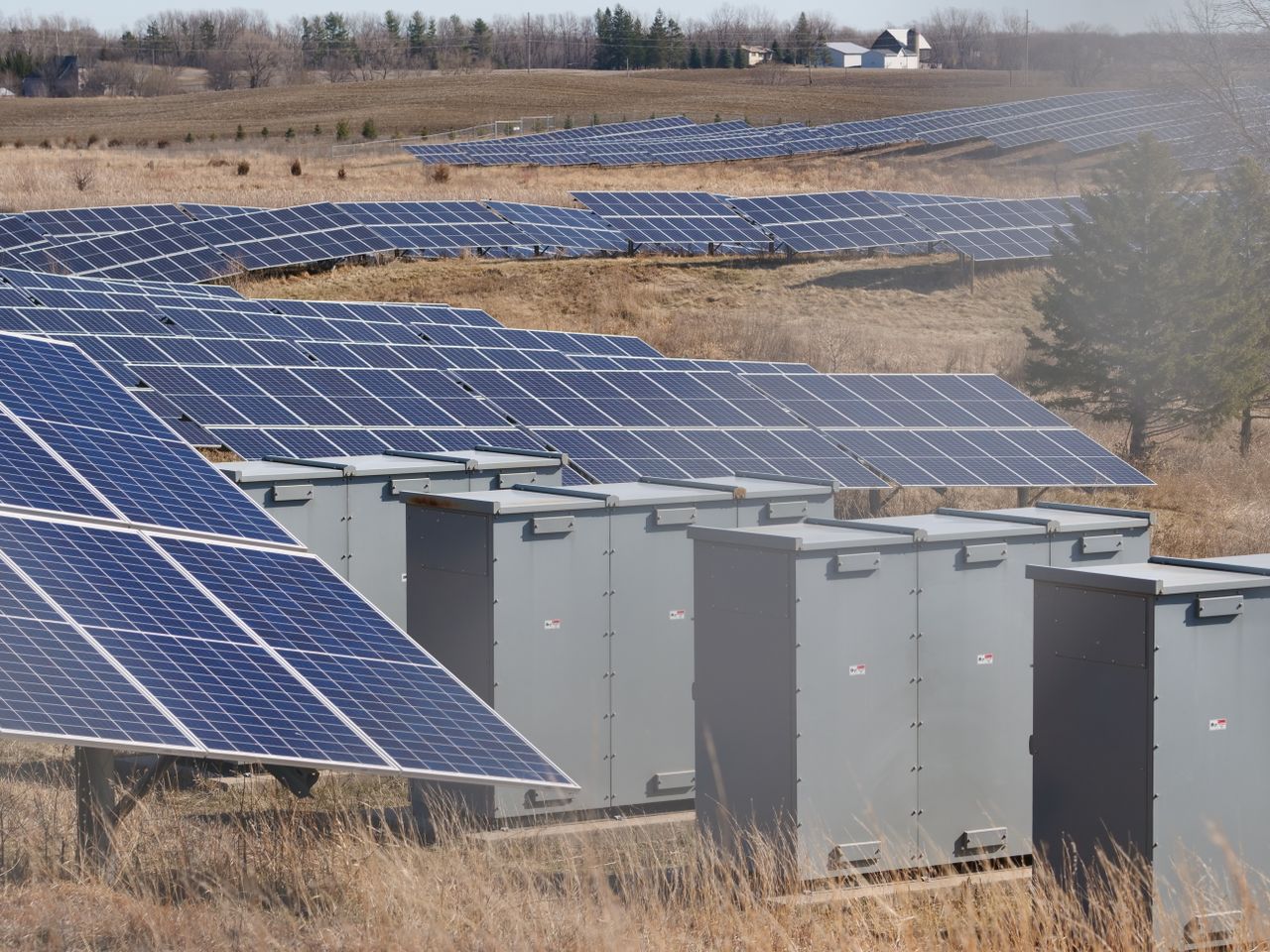
The share of solar and wind power in electricity generation in 2024 was 11.9%, contributing 41.7 TWh to cover national demand. Generating this electricity with gas would have required the import of an additional 1,104 MMcfd, incurring a cost of$729 million USD. By 2024, Mexico had an installed capacity of approximately 11 GW of solar power and 8 GW of wind power.
Accelerating from 36% to 45% clean electricity by 2030
Mexico’s electricity demand in 2030 is estimated to reach 405 TWh, 15% more than in 2024. Increasing clean electricity generation is paramount for Mexico to move forward in strengthening its energy security and affordability by reducing the electricity sector’s high dependence on US gas.
The National Electricity Sector Strategy designed by the Mexican government for the current six-year term proposes three different scenarios for the energy transition: 36%, 38% (with cogeneration), and 45% clean generation by 2030. The most ambitious scenario is similar to the proposal set out by President Claudia Sheinbaum in her inaugural address, of reaching 45% renewable generation by 2030.
This report estimates the costs that would be avoided by reducing gas imports if the country achieves 36% and 45% clean electricity generation by 2030. The savings are estimated only for 2030, but it is assumed that they would be extrapolated over the more than 20 years that renewable generation projects would be in operation. We assume in this report that the additional renewable energy capacity deployed would all be in the form of onshore wind and solar, given their short lead times compared to hydro, geothermal, and nuclear, with the exception of hydro projects already under construction.
In 2024, solar and wind energy combined generated 41.7 TWh, and clean energy totaled 89 TWh, approximately 25% of the electricity generated in Mexico. With gas, 203.79 TWh were generated.
By 2030, a 36% clean energy scenario would bring solar and wind generation to 98 TWh, while gas generation would see a slight reduction compared with 2024, contributing 200 TWh. In contrast, achieving 45% clean energy would allow solar and wind generation to reach 134 TWh, significantly reducing gas-fired electricity to 163 TWh.
36% of clean energy generation would more than meet the projected increase in demand to 2030 with solar and wind power.
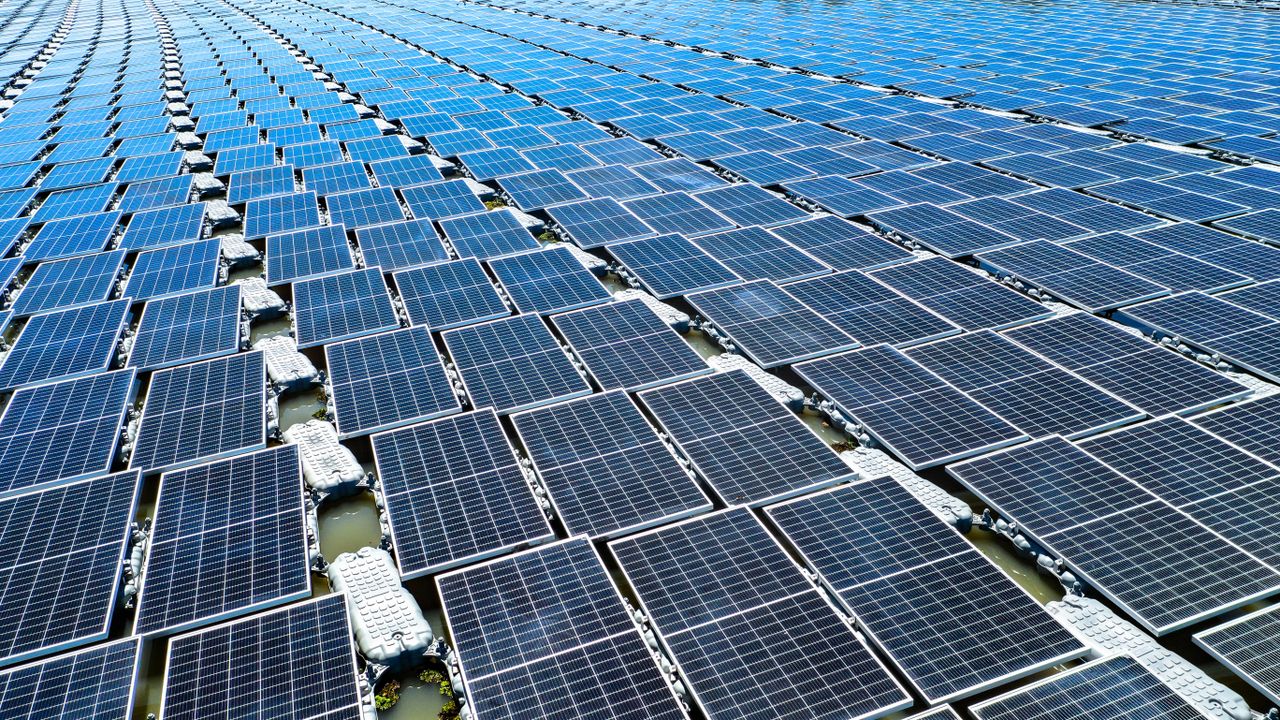
In this scenario, solar and wind energy would contribute almost a quarter (24.2%) of the total electricity demand in Mexico in 2030, more than doubling the generation achieved in 2024 from 41.7 TWh to 98 TWh. To achieve this generation, it is estimated that the current installed capacity of solar (+23 GW) and wind (+5 GW) would need to be increased by 28.4 GW, 47% more than in 2024.
Achieving a 36% share of clean energy in 2030 would represent a reduction in gas demand for electricity generation of 37 Bcf, a 2% lower consumption than in 2024. This would avoid gas imports worth $157 million dollars in 2030, as well as reducing the share of gas for electricity generation to 49.3% (-8.6%) and avoiding the emission of 1.7 million tonnes of CO2e, equivalent to 1.1% of the total electricity sector’s emissions in 2024.
If Mexico wants to make decisive progress in reducing the electricity sector’s dependence on imported gas from the US, reaching 36% clean generation by 2030 may not be an ambitious enough goal, making it prudent to increase the share of renewables in electricity generation.
45% clean energy generation by 2030 would cut gas demand for power generation by one fifth
Achieving 45% clean generation would require the installation of 46 GW of solar (+36 GW) and wind (+10 GW) energy and avoid the construction of new gas-fired power plants. In this scenario, the volume of gas required for electricity generation would be reduced by 384 Bcf, avoiding gas import costs of almost $1.6 billion dollars in 2030. Likewise, compared to 2024, the share of gas in the electricity mix would be reduced (-17.6%) to 40.3% and the emission of 17.7 million tonnes of CO2e would be avoided (-11.4%).

Related Content