
Chapter 4:
Distributed solar and flexibility can ease Türkiye’s soaring cooling demands
In this chapter
As cooling-related electricity consumption continues to rise each year, solar power can play a key role in meeting this growing demand sustainably.
Solar energy reaches its peak output during the same months and at similar hours of the day as the peak in cooling-related electricity consumption, making it a valuable resource for meeting this demand. Rapidly rising midday cooling needs can be met through distributed solar systems, reducing strain on the grid and contributing to energy supply security.
Based on the results of this analysis, additional renewable energy and efficiency policies – as well as flexibility solutions – can be developed to effectively relieve future pressure on the grid. To reduce the risks that rising cooling demand poses to energy supply security and the clean energy transition, a detailed inventory study must first be conducted.
4.1
Rooftop solar could ease the impact of the growing cooling demand
The continuously growing cooling demand must be met reliably without interruption during the hottest hours of the day, typically between 12:00 PM and 4:00 PM. These midday hours coincide with the period when solar power generation is at its highest, making solar energy particularly well suited to meet the rise in cooling-related electricity use.
In recent years, this alignment has already started to deliver tangible results. Between 2019 and 2024, the share of solar in meeting electricity demand during these peak cooling hours more than doubled, thanks to new solar power plants coming online. This underscores the role of solar energy in meeting rising cooling demand.
Solar directly aligns with the daily pattern of cooling demand, reducing pressure on the grid during peak hours and minimizing the need for fossil-based backup. As cooling demand continues to grow, expanding solar capacity offers a clean, sustainable and time-matched solution to safeguard both energy security and climate goals.
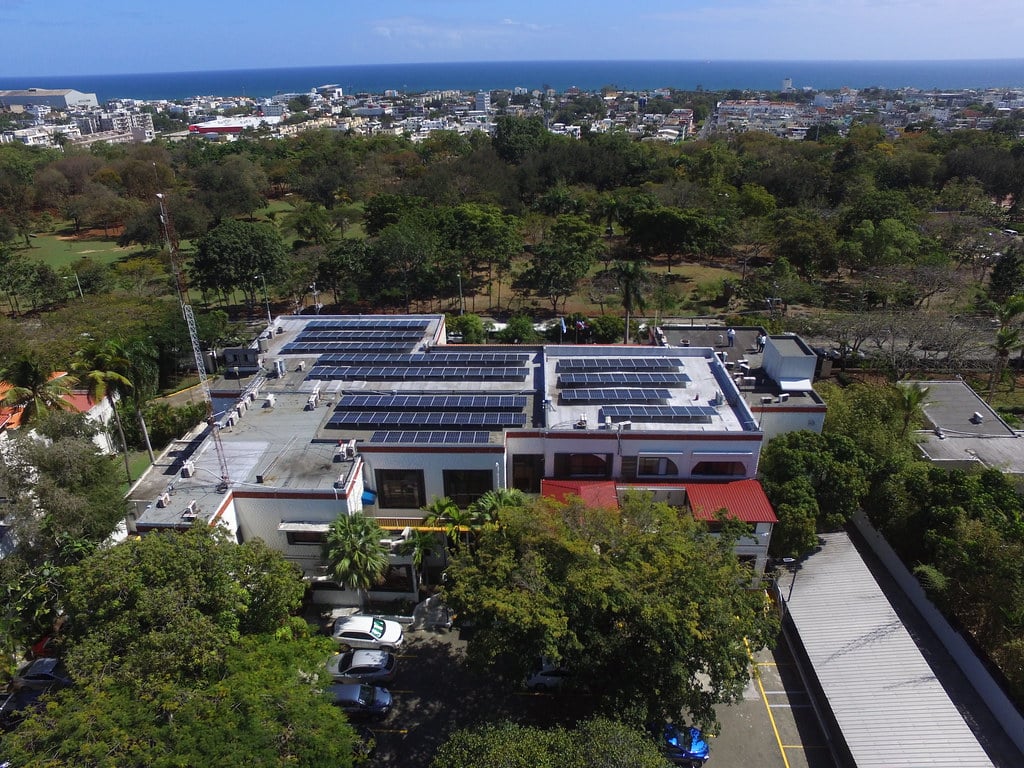
With more than 120 GW of rooftop solar potential, Türkiye can reduce strain on the grid by meeting the growing midday cooling demand on site. This approach would not only strengthen energy supply security but also support Türkiye’s energy transition goals and enhance the grid’s resilience to summer demand fluctuations.
4.2
An air conditioner database could support regional and national forecasting of cooling loads
Although cooling-related demand is becoming increasingly prominent on Türkiye’s electricity grid, the lack of up-to-date data on the number of air conditioners in residential and service sectors – their energy efficiency ratings, regional distribution, or unit capacities – limits the scope of analysis in this area.
The lack of information about total stock and technical characteristics reduces the accuracy of demand forecasts, particularly at the distribution zone level. In areas with high air conditioner density, being unprepared for sudden demand spikes increases the risk of power outages and system imbalances.
Moreover, without knowing the current rate of air conditioner ownership, it is difficult to assess market saturation and the future growth trajectory of cooling demand. This, in turn, limits efforts to develop appropriate technologies, infrastructure or policies. The absence of micro-level indicators – such as the number of units per household, usage durations and per-device consumption – creates a significant gap in understanding consumption patterns.
These data gaps not only affect today’s demand forecasts but also undermine the effectiveness of policy tools aimed at mitigating the potential impact of rising future cooling demand on the electricity system. Energy efficiency policies, demand-side management implementations, and market-based measures may fail to achieve their intended impact if they are developed without a clear understanding of target audiences and regional priorities.
In this context, regularly collecting regionally disaggregated data on air conditioner ownership and usage patterns would both strengthen the foundation for long-term system planning – contributing to energy supply security – and accelerate Türkiye’s transition to a resilient energy infrastructure aligned with clean energy goals. As part of this effort, the widespread implementation of Energy Performance Certificates, which serve as an important data source for buildings, along with the compilation and analysis of information related to heating and cooling systems and the sharing of findings with the public, will serve as an important guide for both policymakers and market actors in making evidence-based and effective decisions.
4.3
Energy storage systems can help balance supply and demand
Grid-scale battery systems can smooth out hourly mismatches between generation and consumption by discharging during peak demand periods. This flattens the load curve, reduces the need for maintaining excess reserve capacity and lowers system costs. At the same time, these systems can support grid stability by providing services such as frequency regulation and responding to sudden changes in load.
In addition, pumped-storage hydroelectric plants – which can provide both hourly and seasonal storage – can serve as an important source of flexibility for the grid. These facilities store energy as potential energy by pumping water into an upper reservoir during periods of high electricity generation. During periods of high demand, they convert this potential energy back into electricity, helping to balance the increased load.
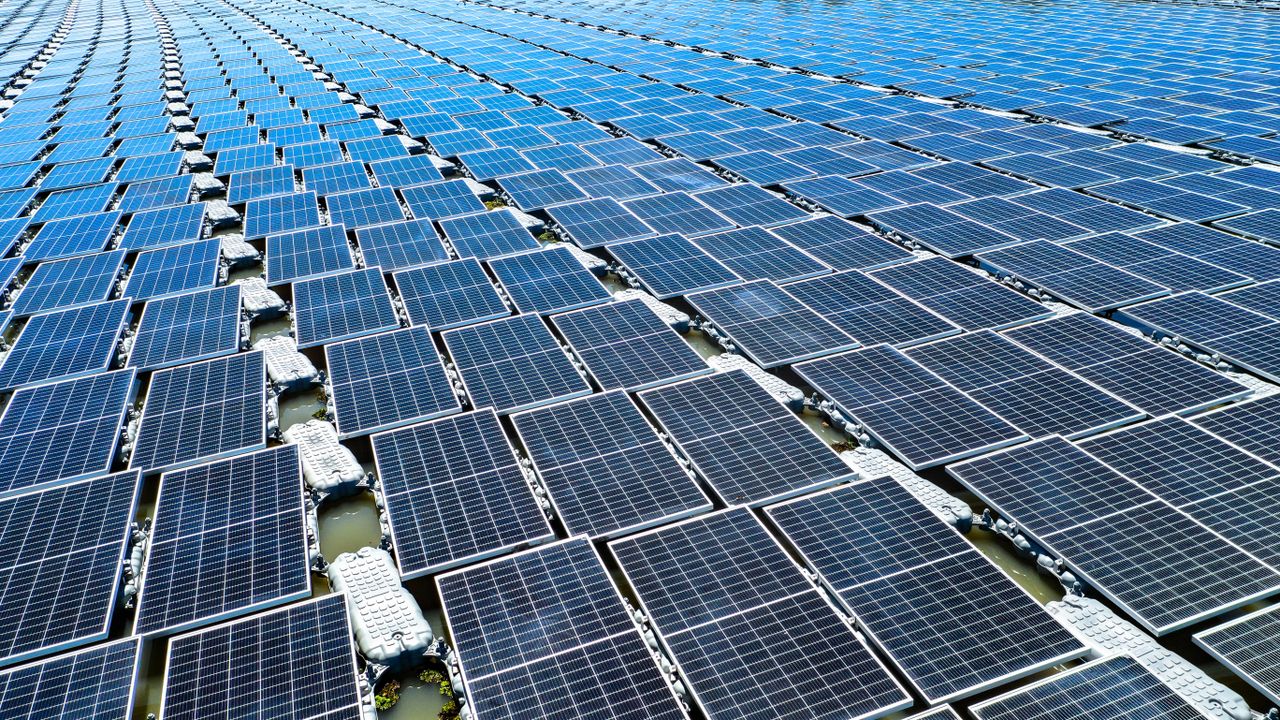
These plants can be especially useful in managing the gap between high solar generation at midday and peak electricity demand in the evening during the summer months. Additionally, energy stored during spring – when rainfall is abundant and electricity demand is low – can be used during higher consumption periods in summer or during dry autumn months. This helps reduce reliance on fossil-fuel power plants during seasonal transitions. Moreover, floating solar power systems integrated into these facilities can offset the internal consumption during pumping operations. In summer, high solar generation can also allow more water to be retained in the hydro facility, thereby increasing the reservoir’s seasonal storage capacity.
4.4
Demand-side management
To prevent rising demand from disrupting grid balance, interventions implemented not only on the supply side but also on the demand side can help maintain equilibrium between supply and demand. While expanding efficiency policies is the least costly and permanent initial step in managing demand, demand-side management also offers the potential to convert cooling-related loads into flexible and controllable resources.
Such measures enhance flexibility by targeting consumption behaviour directly – rather than the supply side – and make the electricity system more resilient to fluctuations. In Türkiye’s electricity system, the systematic strengthening and expansion of demand-side management practices through technological infrastructure will contribute to the effective management of increasing cooling loads in the future.

Related Content