
Chapter 2
Getting to 24-hour solar doesn’t need a lot of battery
To achieve 24-hour solar electricity in a sunny city like Las Vegas, around 17 kWh of battery storage is needed to cover non-sunny hours and deliver 1 kW of uninterrupted power across 24 hours, on an average day. In sunny cities like Las Vegas, daily battery needs vary only slightly throughout the year – typically ranging from 15.8 to 18.2 kWh — making near-continuous solar electricity supply highly achievable.
2.1 Around 17 kilowatt hours of battery are enough to flatten solar to 1 kilowatt of 24-hour solar generation
This section looks at how to deliver 24-hour solar electricity by storing day time solar generation in batteries for electricity supply after sunset. It starts by looking at Las Vegas, one of the sunniest cities in the world.
In Las Vegas, to get to 1 kW of continuous 24-hour solar generation on an average day, you need 5 kW of solar panels paired with 17 kWh of batteries. This is because Las Vegas has a solar capacity factor of 20%, meaning that averaged over a day, the 5 kW installation will deliver 1 kW of power per hour (1 kWh), or 24 kWh per day. However, since this generation will happen during the day, battery storage is required to move a part of the daytime solar generation into the night to deliver a flat 1 kilowatt across 24 hours.
The average battery required is 17 kWh. Of the 24 kWh solar electricity generated, 9.6 kWh can be used directly during sunny hours, while approximately 15 kWh needs to be stored for use during non-sunny hours. However, since only 90% of a battery’s capacity is usable, to maintain safe operations between 5% and 95% charge levels, a 17 kWh is needed to store those 15 kW. From this, about 14.4 kWh can be released later, taking into account minor efficiency losses.
A simple sense-check shows how 17 kWh is about right. Solar panels can deliver power for around nine hours per day, because the day length is 12 hours on average across a year, with lower generation at dawn and dusk. That means the battery needs to operate at 15 hours across the day. At 1 kW, that is 15 kWh. And 15 kWh of usable capacity means 17 kWh of nameplate battery capacity.
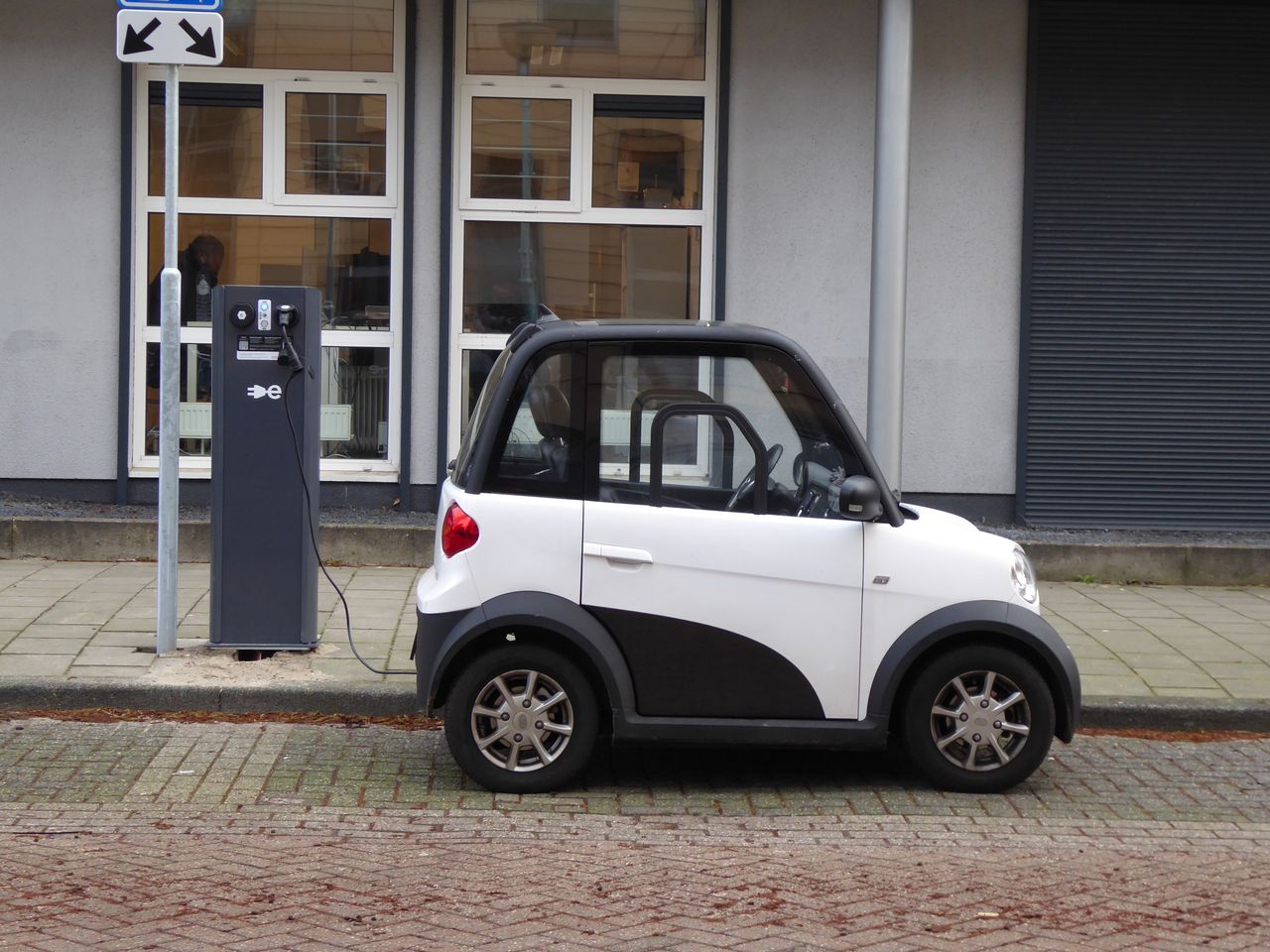
A 17 kWh battery is relatively small compared to most electric vehicle (EV) batteries. It is less than half (43%) of the 40 kWh battery of a small city EV like the second generation Nissan Leaf and less than a fifth (17%) of the 100 kWh battery of a long-range EV like Tesla Model S Long Range.
The estimated 17 kWh battery assumes the solar panels are fixed in position. If they track the sun – like so many utility scale ones do – they will generate more electricity, meaning less panels are needed. The savings from needing fewer solar panels need to be weighed against the higher cost of installing them on trackers. However, perhaps surprisingly, tracking barely reduces the amount of battery needed. Although tracking panels deliver more electricity in the early morning and evening hours, anything over 1 kW (from the total 5 kW capacity) – would charge the battery. So the need for battery capacity remains essentially unchanged.
However, no day is an average day. The amount of battery needed varies by day of the year and location. Sunny days have more solar at midday to capture and can deliver more than 1 kW per hour on average. Cloudier, short days may have very little solar output, delivering less than 1 kW per hour but also needing much less battery to flatten it. The next section examines the variability of this.
2.2 17 kWh is close to optimal for most sunny places
While Las Vegas would need a 17 kWh battery on an average day to deliver a constant 1 kW solar generation, no day is truly average and no other city is exactly as sunny as Las Vegas. The optimal size of the installed battery capacity will vary depending on location and the intended use case, especially if the goal is to capture all the solar electricity generated on the sunniest days, leading to underutilisation of the battery most of the time. However, our analysis shows that this relatively is limited. A 17 kWh battery is close to optimal for capturing most days in most sunny regions.
2.2.1 What is the variability throughout the year in Las Vegas?
For half of the days of the year, daily battery needs are steady — between 15.8–18.2 kWh. The lowest needs occur on cloudy days with less solar to store. On these days less battery is needed, but also solar generation is lower and will not get to 1 kW per hour on average.
The highest needs come on sunny but short winter-spring days (Feb–Apr), when energy must be spread over longer evenings. These peaks are rare and likely low-value, so building for them may not be worth it.
2.2.2 What is the variability throughout different cities?
Las Vegas is the sunniest city analysed in this study, and all other cities require less battery storage than Las Vegas – both on an annual average level and on the sunniest days.
In other sunny cities like Johannesburg, Mexico City and Madrid, the average battery requirement falls slightly to 16 kWh. For less sunny cities, the fall is much steeper — for example, Birmingham requires just 9 kWh on average across the year.
The variation in battery needs on peak days is even smaller than for the average. Birmingham, for example, needs up to 19 kWh of battery to flatten the solar generation profile – almost as much as Las Vegas’s peak day requirement of 21 kWh. That is because even in less sunny locations, some days can be very clear, providing a lot of solar generation to flatten the curve. In Birmingham’s case, it just does not happen that often.
Designing a battery system to cover every outlier day would be prohibitively expensive, as that excess capacity would be underused for most of the year. In most cases, sizing systems for average or “most days” performance offers a more cost-effective solution. While the actual optimal capacity will vary by location and use case, this analysis finds that 17 kWh is close to optimal for most sunny places. The next chapter explores the economics of delivering 24-hour solar electricity not just on a single day, but across every hour of every day of the year – 24/365 solar generation.

Related Content