
Recommendations
The road to targets
With ambitious 2035 targets now in place, the focus must be on unblocking barriers to quickly install wind and solar.
Address limited connection capacity
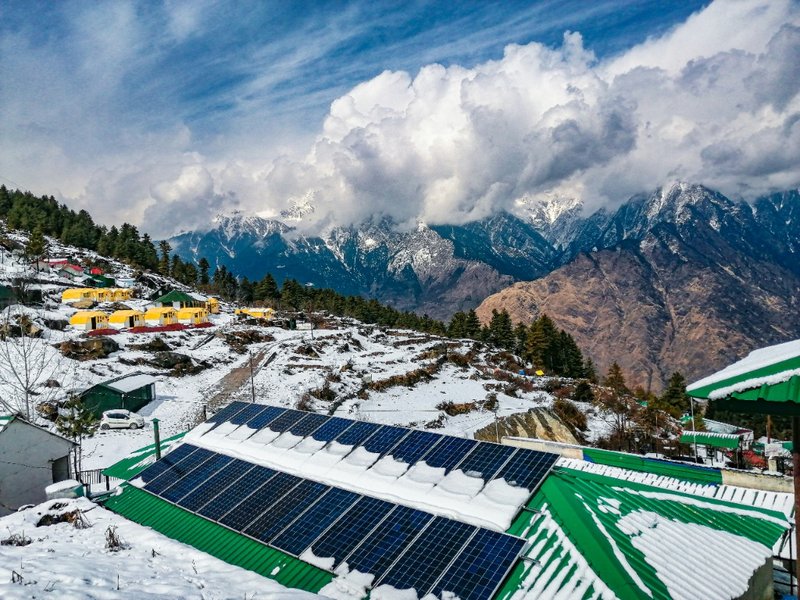
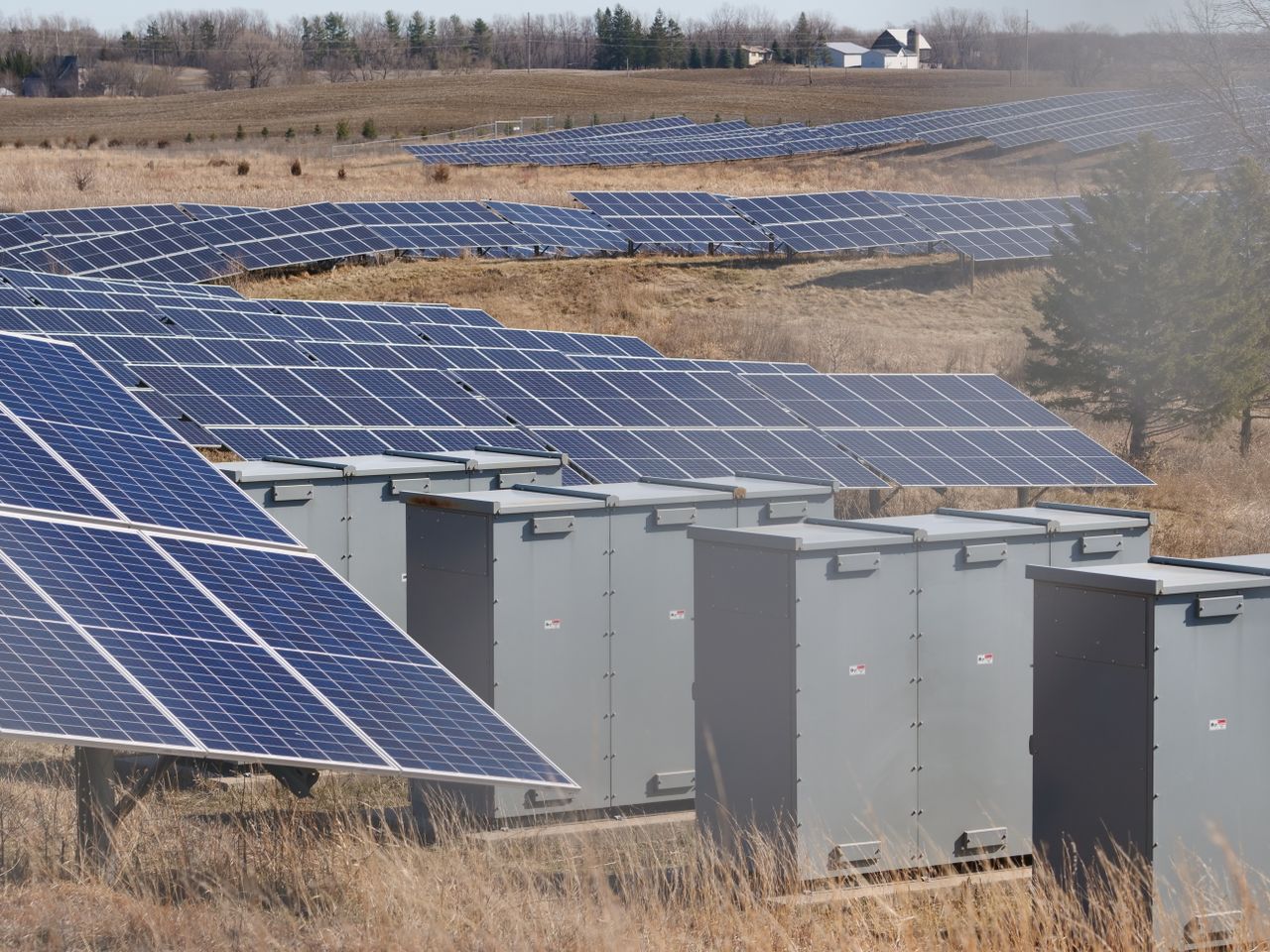
It is possible for Türkiye to reach an installed solar capacity of 76.9 GW by 2035 as targeted. Türkiye’s rooftops have a potential of more than 120 GW. The 5.2 GW of solar power plants that need to be commissioned on average every year from 2024 to 2035 in order to reach this target is feasible. In recent years Türkiye has seen rapid growth: doubling its solar installed capacity from 2022 to 2024 and commissioning approximately 4.5 GW of new solar power plants every year during this period.
On the other hand, one of the most important obstacles for new wind and solar investments is connection capacity. In order for a wind or solar power plant to be established in Türkiye, there must first be available capacity at the substation in that region, otherwise the applications are rejected without being evaluated. Therefore, new grid investments are required to allocate new connection capacities. For this reason, it is also important to realise the targets of high-voltage direct current (HVDC) transmission lines, 90,000 km of new grids and 942 new substations, which are included for the first time in the newly announced targets.
Install hybrid power plants
One of the possible solutions to limited connection capacity is hybrid power plants. By integrating solar as a secondary generation source at existing hydroelectric or wind power plants, hybrid projects optimize connection capacity and leverage the complementary characteristics of these different energy sources.
Unlike new power plant installations, these projects do not require additional grid infrastructure investments. Therefore, there is no practical reason for hybrid power plants to wait for new connection capacity openings like new power plant investments. Instead, economically viable projects could be implemented more quickly by allowing investors to decide on adding a secondary generation source—provided that any electricity generation exceeding the connection capacity is either curtailed or penalized.
Ensure auctions are effective
One option for ensuring new power plant investments is auctions. Capacity auctions are already in place in Türkiye, but there remain some challenges in ensuring they work as intended. In Türkiye’s wind and solar auctions held between 2017 and 2022, 5.8 GW of capacity was allocated. However, only 11% of the awarded wind capacity and 51% of the solar capacity have been commissioned.
Starting in 2025, Türkiye plans to hold 2 GW of auctions annually, making them a key tool in achieving the 2035 targets. To be effective, these auctions must avoid the challenges faced by past ones. Domestic content requirements along with lengthy permitting processes, and the low purchase prices resulting from highly competitive auctions, could hinder the realization of projects awarded in future auctions.
Free up unused connection capacity
In an investment environment where connection capacity is limited, capacities already allocated for past investments that have not been built block future projects. To make efficient use of that capacity, it is important to have policies that will ensure that the existing project pipeline is realised as soon as possible. For plants that have not yet been commissioned as a result of tenders organised in the past, there are questions about whether they are expected to ever be commissioned. The announcement of an energy storage target of 7.2 GW by 2035 signals that the 34 GW of capacity allocated to wind and solar energy projects with storage is unlikely to be delivered in full. If there are projects in the project pipeline that are not likely to be commissioned, these should be cancelled to free up connection capacity for new investments.
Introduce new types of auctions
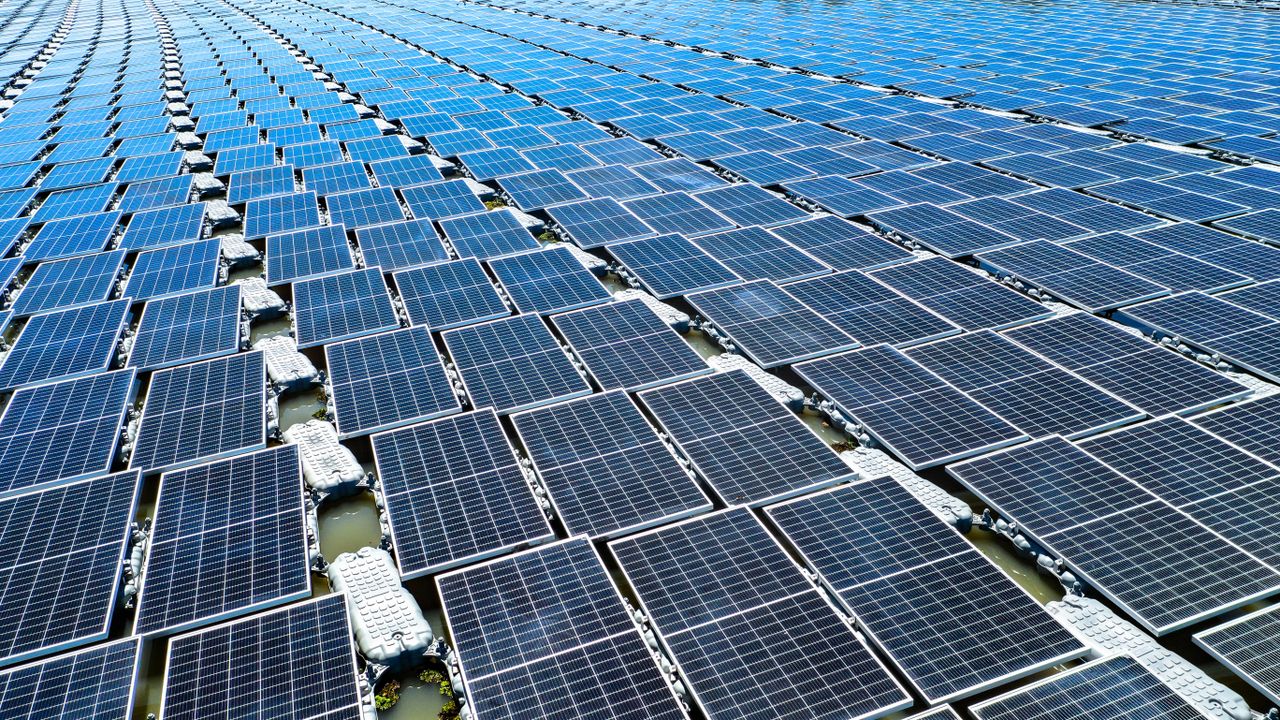
Türkiye can add new types of auctions to the wind and solar auctions it has organised so far. The floating solar power plant tender and the offshore wind power plant tender are examples. Potential areas for offshore wind have been identified and tender announcements have been made. Türkiye’s state-owned hydroelectric power plants with dams have huge reservoir areas. So much so that even if only 10% of the surface area of the existing dams is covered, a floating solar power plant of 53 GW potential emerges. These areas can be allocated for the construction of large-scale floating solar power plants by tender method.
Increase interconnector capacity with neighbouring countries
With the increase in wind and solar electricity generation, it will become even more important to increase grid connectivity with neighbouring countries. With the establishment of a connection between Nakhchivan and mainland Azerbaijan, the future Nakhchivan-Türkiye interconnection will enable Türkiye to be part of the interconnection projects between Azerbaijan and Central Asian countries, which are currently in the planning stages. Türkiye and Azerbaijan, if they realise their renewable energy potential, could become clean energy hubs, bridging east and west and generating additional revenues through electricity exports. Grids with wider geographies and extensive interconnection will also protect system security against the variability of generation from wind, solar and hydroelectricity.

Related Content