
Renewables
Solar grows by record amount as wind remains steady
The remarkable increase in the installed solar power capacity in Türkiye in 2023 and 2024 started to be reflected in the share of solar energy in electricity generation. Meanwhile wind power stayed steady, and hydropower output continued to respond to periods of drought.
Solar electricity generation increased by 39% year-on-year
In 2024, Türkiye’s solar power generation increased by 7.3 TWh, a massive jump of 39% compared to the previous year. This rise in 2024 alone was almost equivalent to the country’s total solar electricity generation level in 2018 (7.8 TWh).
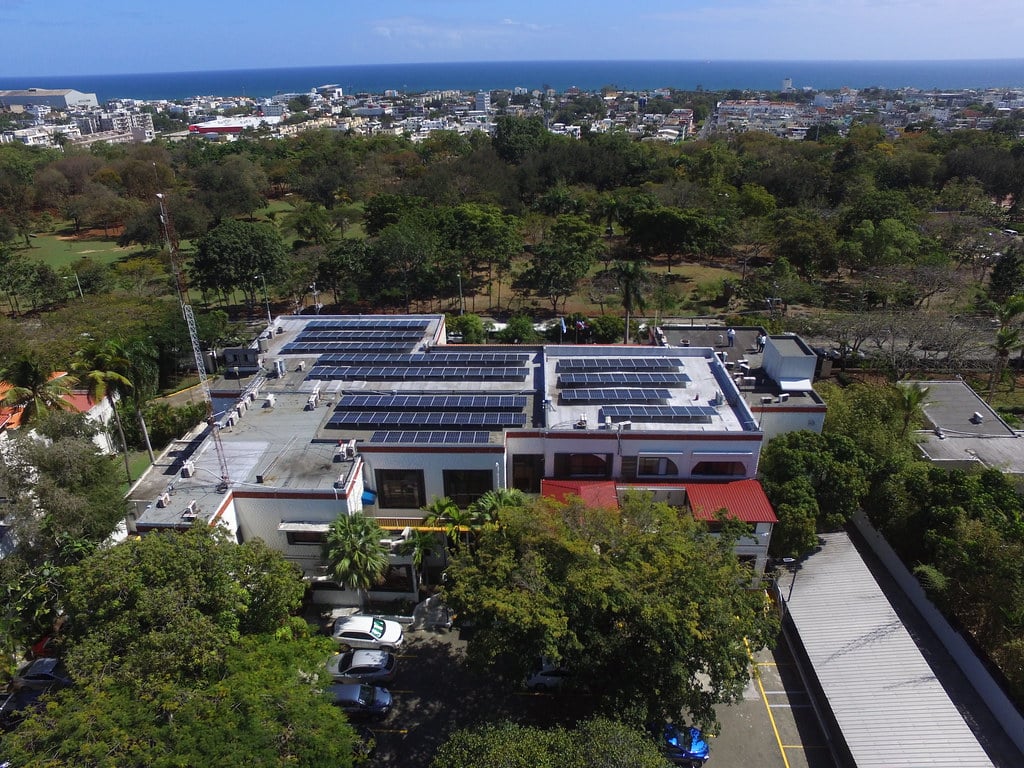
This growth in solar generation reflected the rapid pace of solar capacity rollout in Türkiye. After strong growth in 2023, 2024 was another milestone year for solar installations with installed solar capacity reaching 19.8 GW by the end of the year. This followed a huge rise in solar capacity in just two years (+8.9 GW, +82%), up from 10.9 GW installed capacity in 2022. Previously, the largest annual solar capacity growth in Türkiye was in 2017 and 2018, with capacity increases of 2.1 and 2.2 GW respectively. The main factor enabling this enormous step up was paving the way for building solar power plants for self-consumption.
Solar growth meets one-third of rise in power demand
The recent increase in solar electricity generation has also played an important role in meeting Türkiye’s increasing electricity demand year by year.
Electricity demand increased by 5.5% (+18 TWh) in 2024 to reach a record 342 TWh. In addition to the increase in demand, the year-on-year increase in electricity generation totalled 23 TWh due to Türkiye’s transition from a net importer of electricity to an exporter in 2024. The 7.3 TWh increase in solar met 32% of the increase in electricity generation.
Breaking the monthly production record with 3.2 TWh in June, solar electricity generation increased by 1.2 TWh compared to the same month the previous year. This increase in solar thus met one third of the electricity demand in June, which increased by 3.6 TWh in the same month amid a rising demand for cooling. As periods of extreme high heat become more common, summer electricity demand is expected to keep increasing. This highlights the role of solar power in strengthening Türkiye’s energy security during peak summer demand.
Romania overtakes Türkiye for share of solar in electricity generation
Despite the record absolute increase in solar power in Türkiye, a rise in overall demand meant that solar’s share of total electricity generation only slightly increased. The share of solar in electricity generation increased to 7.5% in 2024 (up from 5.7% in 2023).
Comparing Türkiye to the 20 countries with the highest electricity demand in Europe, Türkiye surpassed Switzerland in terms of the share of solar electricity generation in 2024, but lagged behind Romania. Romania generated 3.9% of electricity from solar in 2023, doubling to 7.8% in 2024.
In southern European countries with similar solar potential to Türkiye, such as Italy, Spain, Portugal and Greece, the share of solar in electricity generation varies between 14% and 22%. The share of solar in electricity generation in Poland, which overtook Türkiye for solar share last year, has reached 9%, widening the gap with Türkiye.
Hybrid solar plant capacity exceeds 1 GW
From 2020, solar power plants can be installed as an auxiliary source in power plants in Türkiye. These power plants, which use multiple sources of generation, are called hybrid power plants. The capacities of the auxiliary source for hybrid plants are not included in the installed capacity statistics published by official sources.
The capacity of solar power plants installed as auxiliary sources reached at least 1 GW by the end of 2024, according to the data obtained from the licence database of the energy market regulator EMRA. Wind power plants account for 60% of this capacity. Fossil-based power plants have more hybrid solar installed capacity compared to hydroelectric power plants, also reflected in licensed capacity..
As Türkiye’s energy transition progresses, increasing hybrid installations poses an important opportunity. This is particularly true for hydroelectric power plants, which can benefit from co-installations with solar to compensate for shortfalls in drought conditions.
Growth in electricity generation from wind has slowed
Minimal rise in wind power
Over the past two years, the growth of Turkish wind energy has slowed, following four years of steady expansion. Between 2018 and 2020, the installed capacity of wind power increased by 26%, with a parallel 24% increase in overall electricity generation. Then from 2020 to 2022, wind power experienced a similar level of capacity increase (29%) from 2020 to 2022, but with a bigger jump in electricity generation of 41%. This was due to favorable wind conditions and higher wind capacity factor in the country.
However, the growth of wind power has slowed since 2022. Wind power generation only grew 5% between 2022 and 2024 following a slowdown in wind capacity increase (+13%). Due to the slowdown in new wind power plant installations and increasing electricity demand, the wind share in electricity generation saw only a minimal increase in 2024, reaching 10.7%, up from 10.6% in 2023.
Türkiye’s place in wind power ranking in Europe remains unchanged
Europe also experienced a slowdown in new wind farm installations in 2024. One of the reasons for this was a rise in wind power plant installation costs, which had been rapidly declining until 2021. However, wind power continues to be more cost-effective than fossil fuel power plants in Europe and the slowdown in wind energy in 2024 is expected to be temporary, with growth momentum anticipated to resume.
Türkiye continues to be ahead of Norway, Italy and France for share of wind in electricity generation in 2024, due to the limited capacity increase in these countries. However, among the 20 countries with the highest electricity consumption in Europe, Türkiye ranks 14th in terms of the share of wind in electricity generation. In 2024, Finland experienced the highest percentage growth in wind’s share of generation.
Increase in hydroelectricity despite dry year
Hydroelectricity generated 11 TWh (+17%) more in 2024 compared to 2023. This was despite a drought in Türkiye in 2024, with conditions worst in the spring when hydro generally reaches peak production. However, this played out very differently across different types of hydro power plants. Run-of-river hydro production declined in drought conditions, whereas dammed hydro output rose, making use of stored water reserves.
Despite hydro being a strong contributor to Turkish energy security in 2024 with 22% share in generation, this annual variance in hydro power signals the need to support it with wind and solar as complementary sources of electricity.
Decline in run-of-river hydroelectricity generation
Run-of-river hydroelectricity was markedly affected by drought conditions in 2024. In general, hydroelectricity generation in Türkiye starts to increase in winter and reaches its highest values in spring. Therefore, droughts in spring adversely affect the production of hydroelectric power plants. This is especially true for river type hydroelectric power plants that do not have dams that can store water.
Türkiye experienced severe drought in 2024, especially in April. The capacity factor of run-of-river power plants in April dropped to an even lower level than in 2021, a year when total hydroelectric generation in the country saw a record decline due to drought.
Third highest year for annual hydroelectricity generation
By contrast, hydro production from dams rose in 2024. The impact of the drought conditions on dams can be understood by examining the amount of water coming to the dams. The amount of water entering the basins generally follows a parallel course to the production of hydroelectric power plants from dams. However, 2024 was an exception to this. Although the amount of incoming water in 2024 was very close to 2022 and 2023, hydroelectric power generation with dams increased by 29%.
Although affected by droughts in terms of water intake, hydroelectric power plants with dams can store water and therefore have the flexibility to increase or decrease electricity generation when needed. Thus, in contrast to the decline in the generation of run-of-river hydropower plants, dammed hydropower generation increased and total hydropower generation reached 75 TWh in 2024, an increase of 17% compared to the previous year. In Türkiye, 2024 was the third highest hydropower generation year of all time, after 2019 (89 TWh) and 2020 (78 TWh).
Wind and solar can complement hydro in drought years
In 2024, hydroelectricity, together with solar energy, was one of the most important contributing sources in meeting the increase in electricity demand. Half of the year-on-year 23 TWh increase in electricity generation was due to hydroelectric power plants.
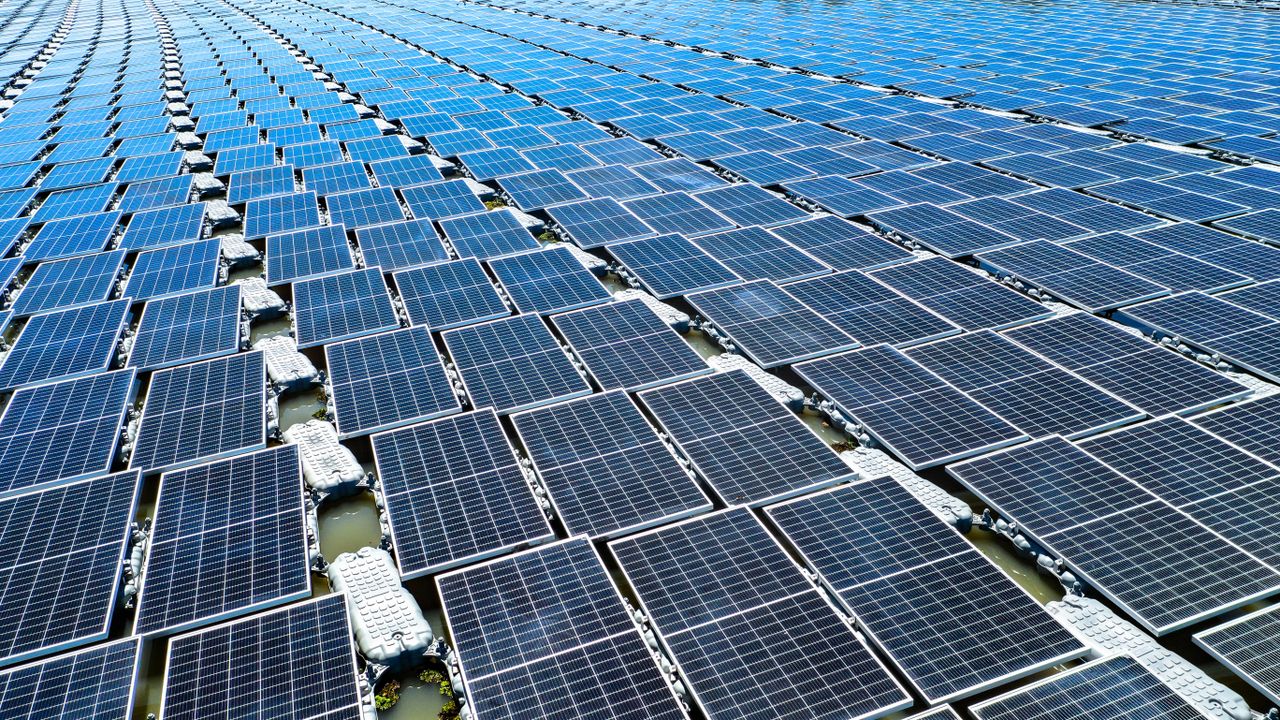
On the other hand, the decreasing water level in the dams of hydroelectric power plants may pose a risk to Türkiye’s energy security. Therefore, making more use of solar and wind power plants, which have a complementary generation profile to hydroelectricity, will play a key role in ensuring Türkiye’s energy security. In particular, the addition of both terrestrial and floating solar power plants as secondary sources to existing hydroelectric power plants will reduce the risk of a shortfall from hydro in dry years. Failing this, a shortfall would have to be covered by imported fossil fuel power plants, introducing increasing reliance on costly foreign fuels.

Related Content