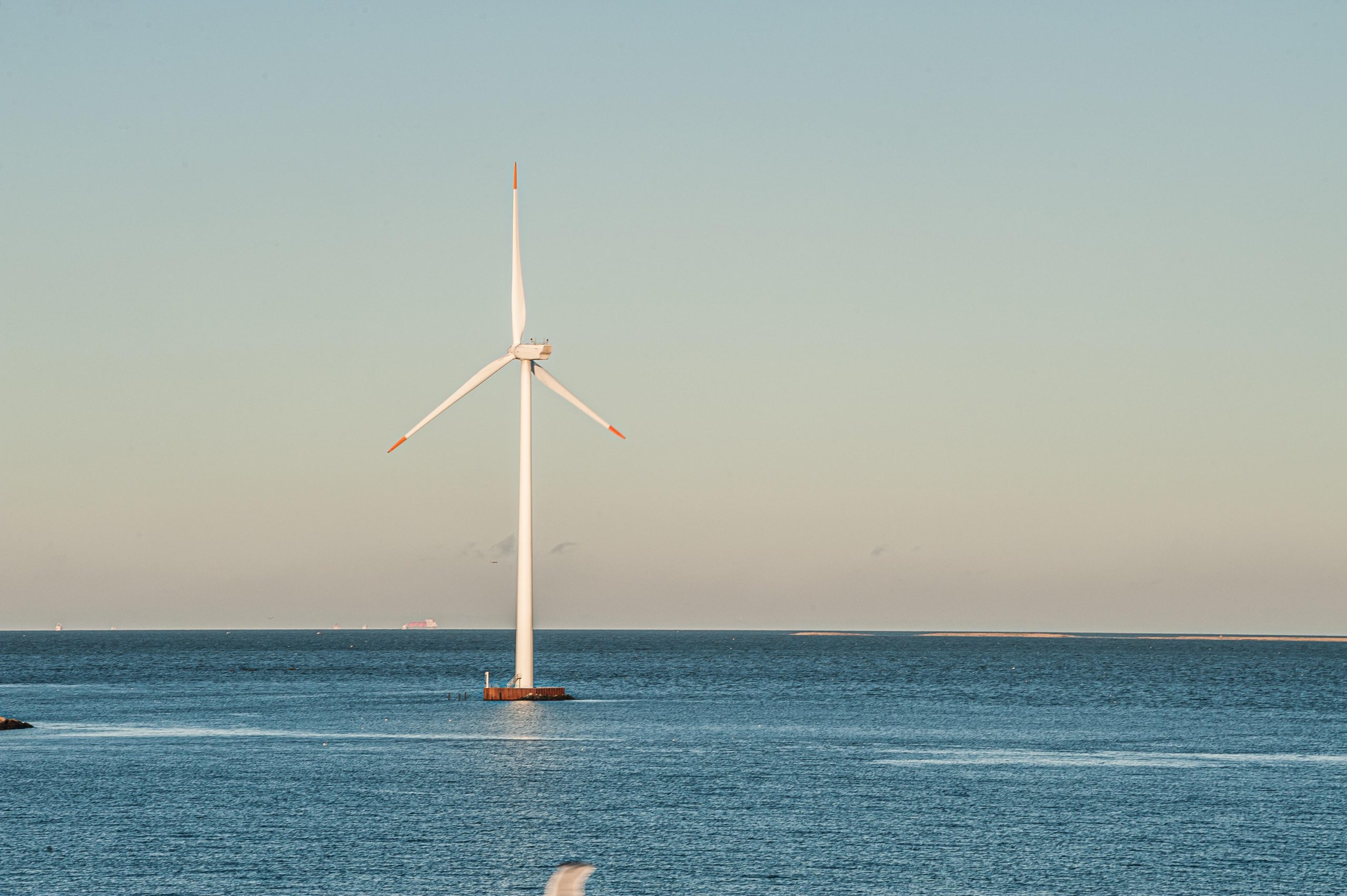
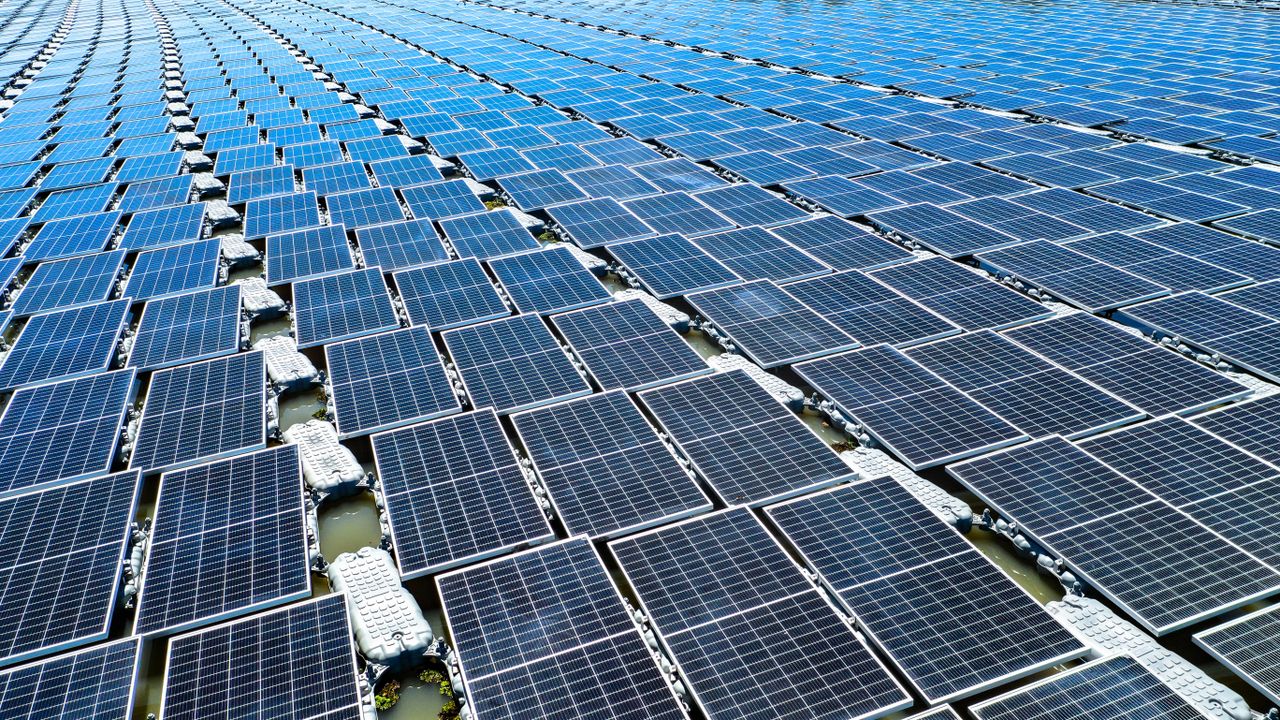
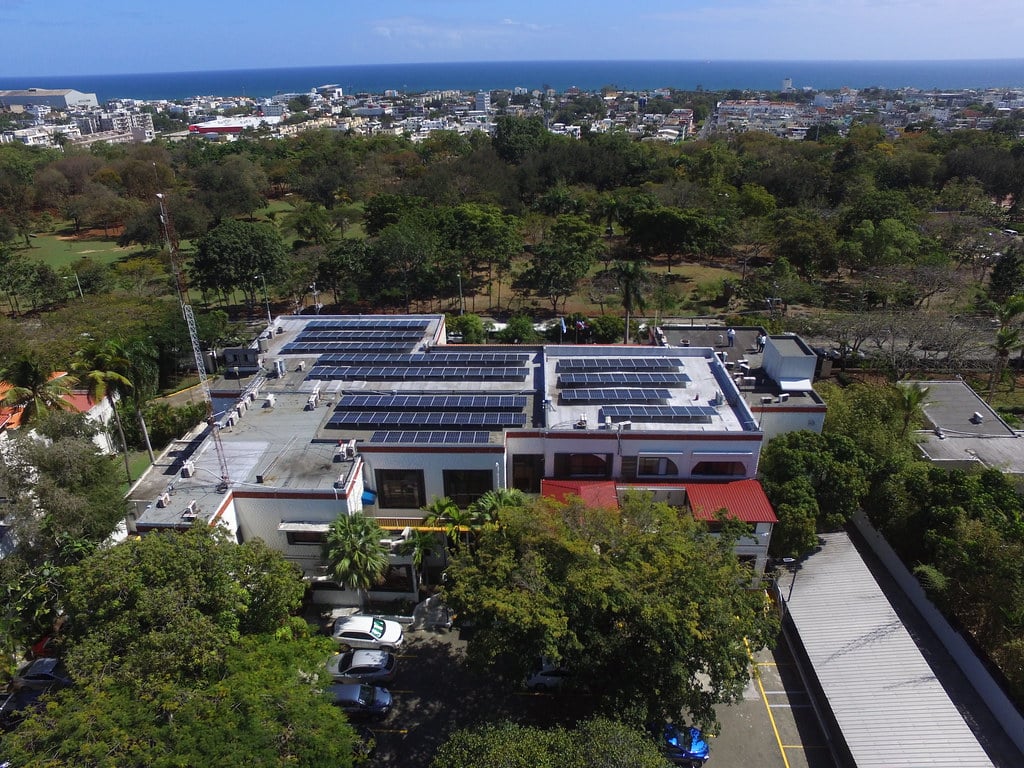
These findings align with projections from the OMEC (Organisation Méditerranéenne de l’Energie et du Climat) which indicate that renewable capacity will more than double by 2030 based on current trends, but a tripling is required to align with a net-zero pathway by 2050. While Northern and Eastern Mediterranean countries are currently leading renewables deployment, OMEC’s carbon-neutral scenarios suggest that future efforts must prioritize Southern Mediterranean countries.
This echoes recommendations by other organisations, such as the ECFR, for ongoing and future efforts to give clear priority to scaling up the production of renewable energy in the southern neighbourhood in order to fully develop the tremendous potential in the region for clean power.
Investing in networks and flexibility is crucial to prepare for the surge in renewables
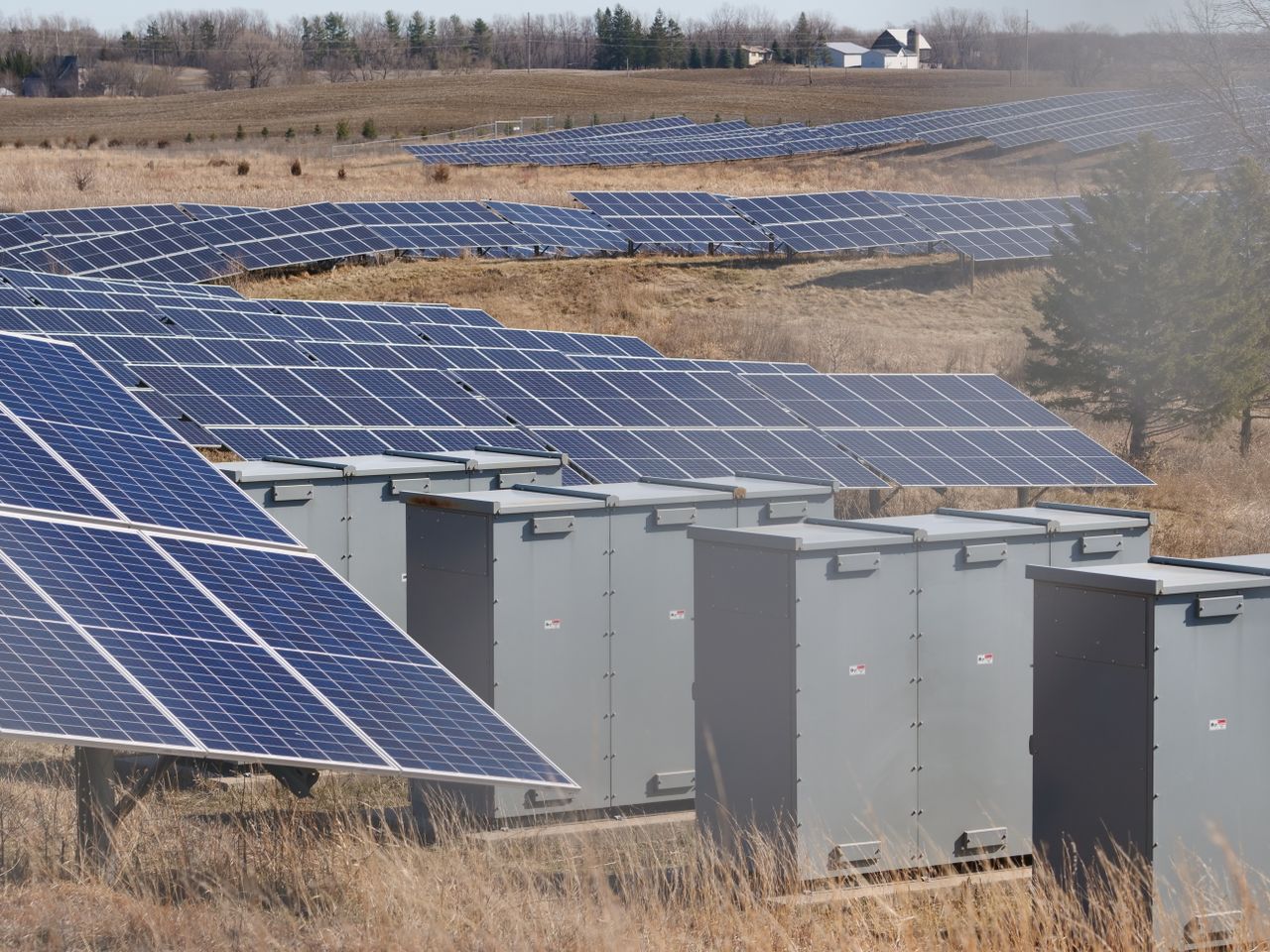
Beyond wind and solar investments, the integration of renewables will require substantial investments in electricity grids, storage and flexibility solutions. By 2030, OMEC projects that energy storage will account for 1-2% of total power generation, rising to 10% by 2050 to support a net-zero transition. Therefore, alongside the necessary ramp up in renewables deployment to reach 1 TW by 2030, strengthening grid interconnections, expanding energy storage capacity and enhancing demand-side flexibility will be crucial to ensuring a reliable and resilient renewable energy system.