2.1 Europe’s clean import dependencies tend to exist further up supply chains
At present, Europe has limited capacity to mine and process many of the critical raw materials used in clean, or any other, technologies across its economy. In addition to this, in recent years, overseas competitors have made strong gains in developing, scaling and cutting production costs of key clean tech components. As a result, the majority of the EU’s clean tech manufacturing is assembly of components into the final product – the last stage of the value chain.
Wind turbines: Europe has sufficient capacity to assemble the key components of turbines (blades, nacelles, towers) in order to meet its domestic demand. Many sub-components, such as bearings or transformers, are imported into the EU but are also manufactured domestically meaning Europe is not critically dependent on imports. However, in the case of particular sub-components, such as generators that use permanent magnets, Europe is highly reliant on imports. Permanent magnet generators can be used in any type of turbine but are particularly common in offshore wind turbines. Rare earth elements (REE) are required to produce permanent magnets, but currently Europe has no REE mining capacity and only two REE refining plants. In addition to this, while it is beginning to grow, Europe’s permanent magnet manufacturing capacity is low. The combination of these factors means that over 90% of permanent magnets used in the EU are imported.
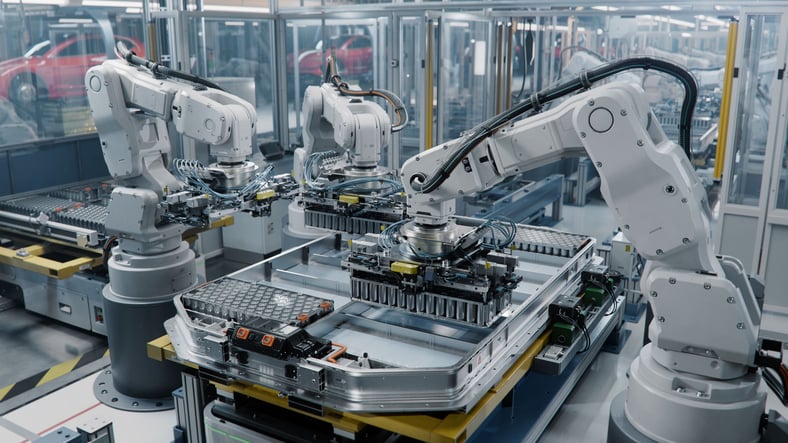
Battery cells: although Europe can meet most of its demand for battery cells through domestic manufacturing, for some sub-components of battery cells, such as electrodes, the EU has limited production capacity. With only 52 GWh of cathode production and just 3 GWh of anode production – equivalent to around 14% and 1% of domestic demand for battery cells respectively – Europe’s battery cell assembly plants are heavily reliant on imports of electrodes. For the sub-components Europe does produce, manufacturers still rely on imports for supply of critical raw materials. For example, lithium, nickel and cobalt are all essential to the production of the type of batteries typically used in European EVs. However, according to the European Commission, Europe possesses 1.2%, 4.2% and 4.4% of global reserves of lithium, nickel and cobalt respectively and only produces 0.1%, 1.5% and 0.7% of the global supply. Refining capacity is also limited, especially in the case of refined lithium where Europe is entirely reliant on imports. The result is that the EU imports almost 80% of the primary raw minerals and over 60% of the processed materials for batteries. While new domestic supply chains of critical raw materials are emerging, in the near-term Europe will remain reliant on imports.
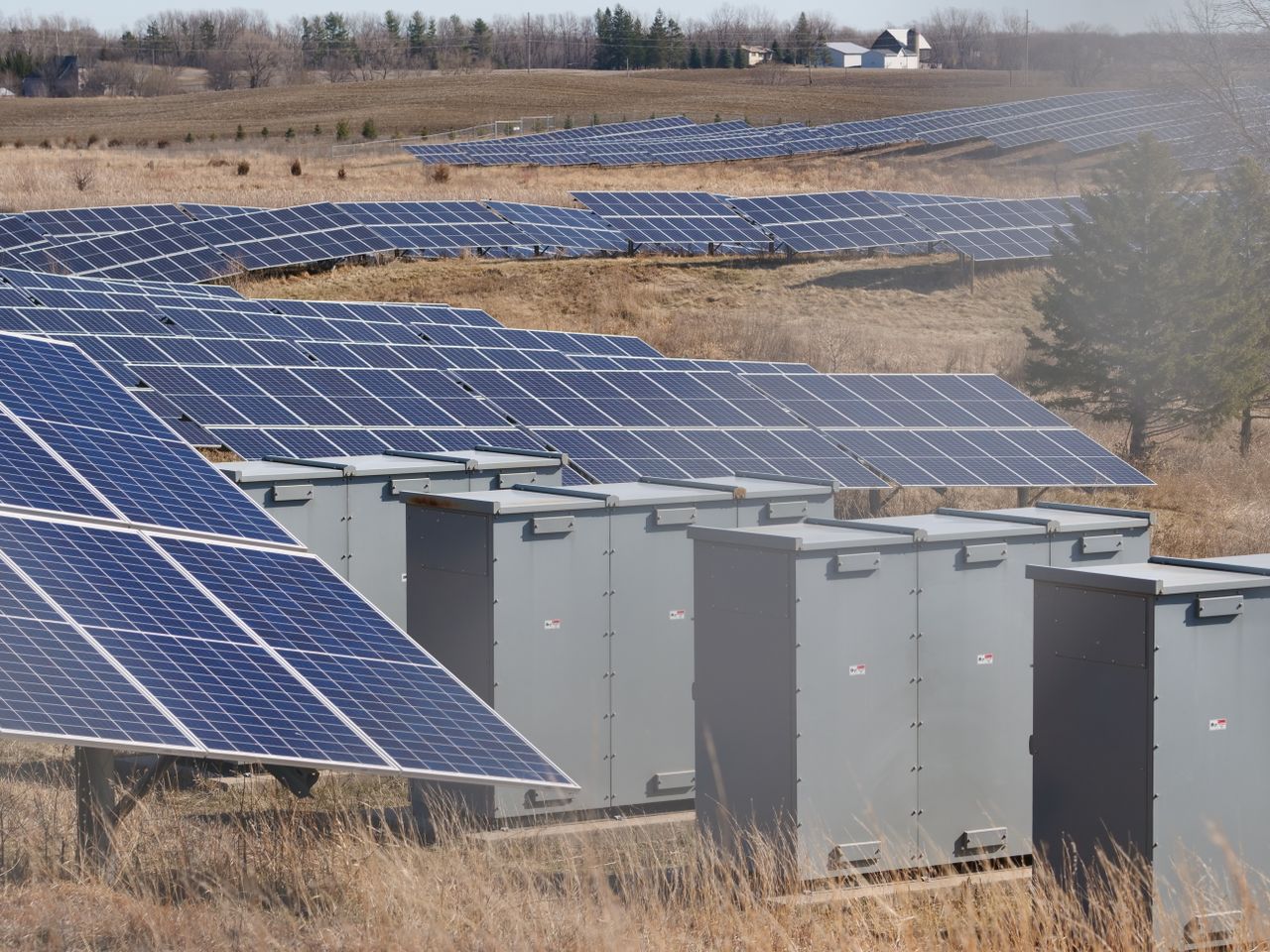
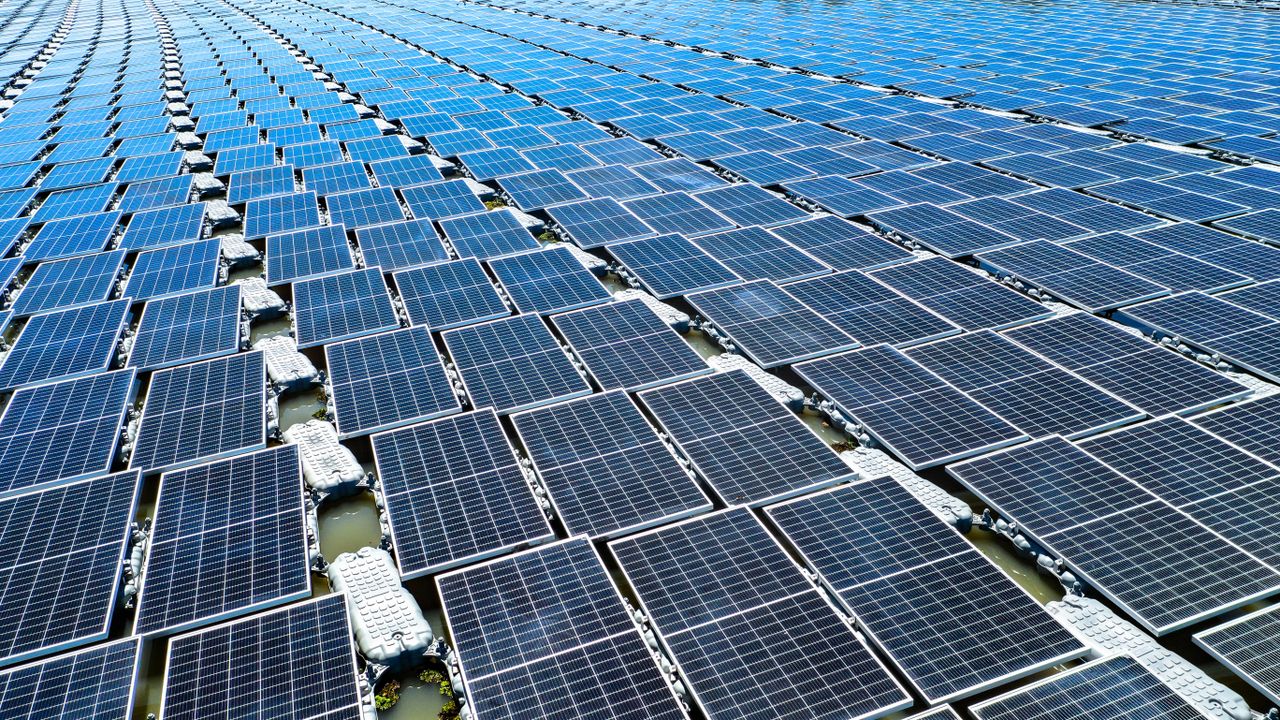
Solar: Unlike other clean technologies, Europe has limited domestic manufacturing capacity throughout the whole value chain of solar panels. There are five key steps in solar panel manufacturing. In order of production, these are: polysilicon, ingots, wafers, cells and finally modules. Currently the EU has manufacturing capacity for three steps of this value chain with 9 GWe, 4.8 GWe and 12.2 GWe of annual capacity for polysilicon, cells and modules respectively. In 2025, the EU added around 65 GW of solar capacity, meaning there is significant shortfall between its domestic manufacturing and demand, leaving Europe reliant on solar panel imports.