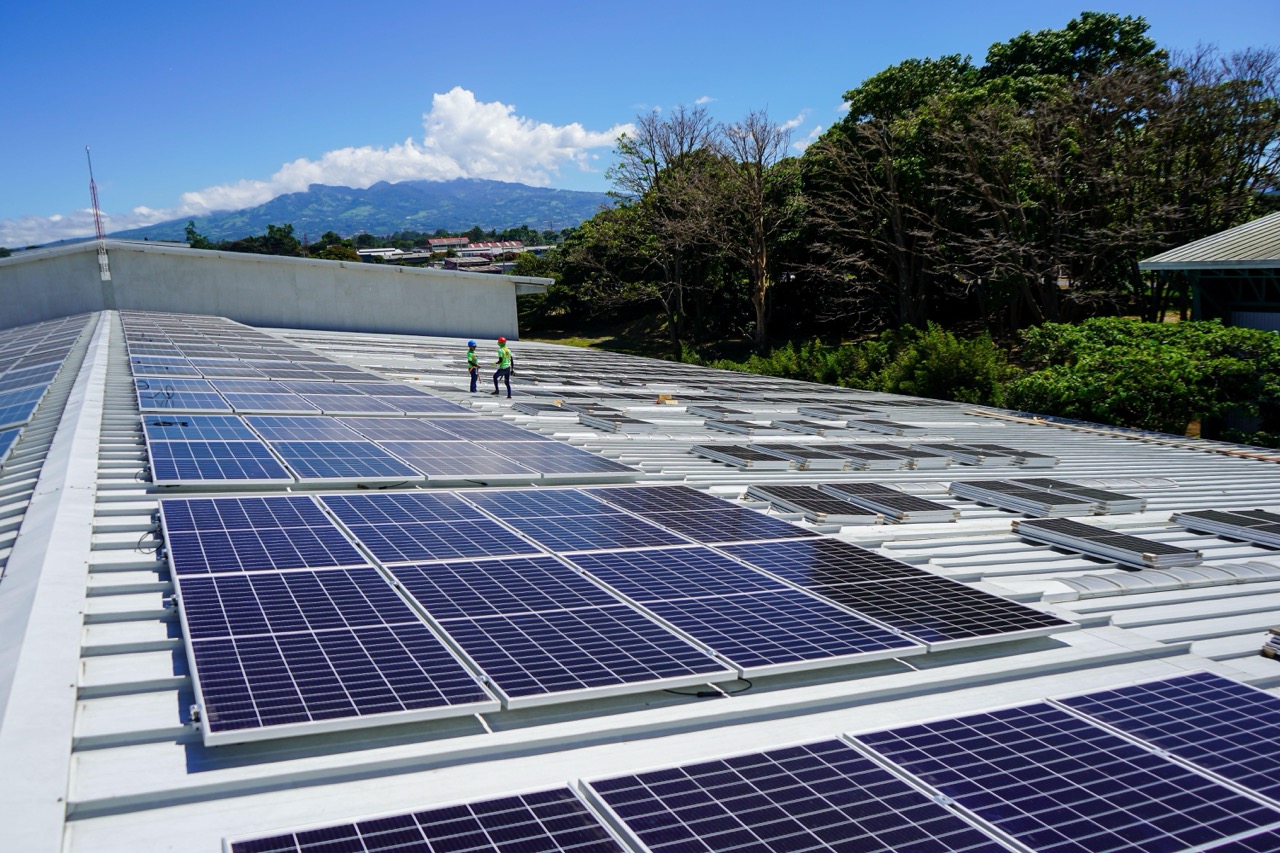
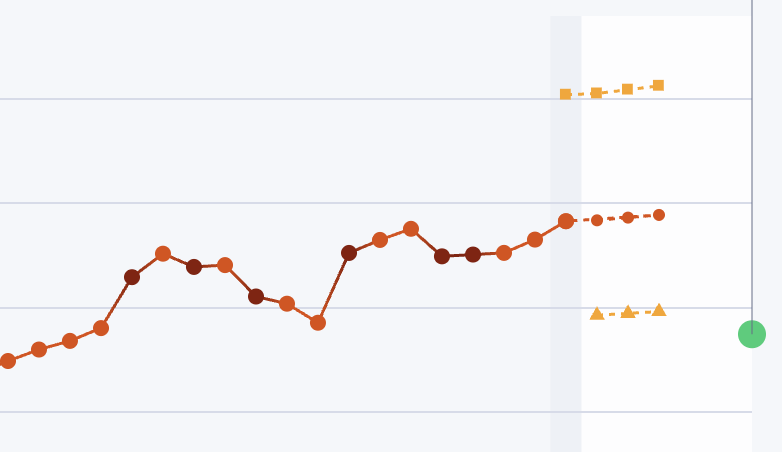
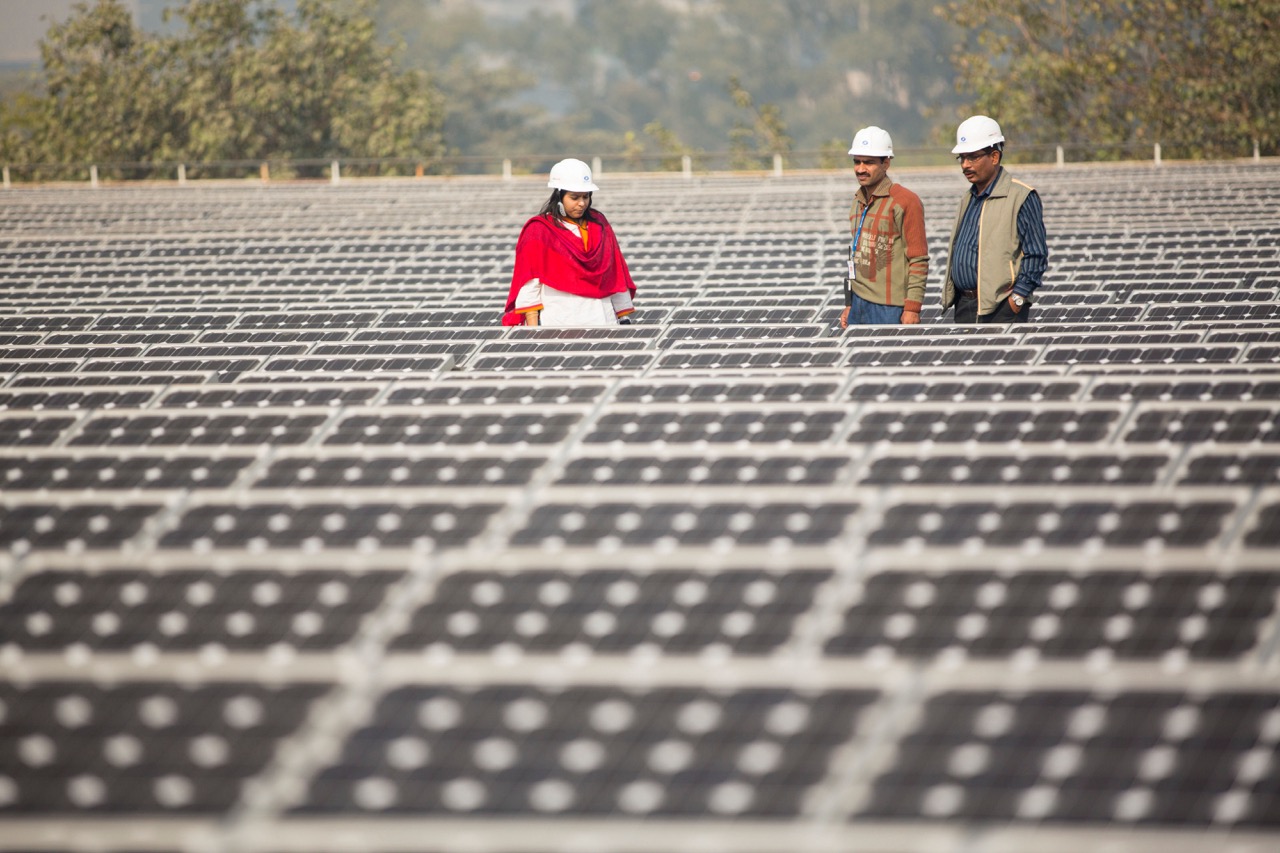
Latin America and the Caribbean generated 65% of its electricity from clean sources in 2025, well above the global average of 43%. The region’s combined wind and solar share (19%) was above the global average (17%), while hydro (40%) continued to provide the bulk of clean power. Solar and wind are the fastest-growing sources of electricity in the region, more than doubling in the past five years and rising 2.5 times more than electricity demand in 2025.
In the region, Chile (38%) and Uruguay (46%) have the highest shares of wind and solar. In Brazil, solar generation exceeded fossil fuel generation for the first time in 2025.
In 2025, fossil fuels provided 35% of the region’s electricity, down from 47% in 2015. This makes electricity less fossil fuel-intensive, with carbon intensity almost half the global average.
Due to its growing base of wind, solar and large hydro resources, Latin America and the Caribbean has not developed a dependency on coal in the way that Asia has. Coal provided just 4% of the region’s electricity in 2025. In the region, 24% of electricity is still generated with fossil gas, though there was a small decline of 3 TWh compared to 2024, as solar and wind grew faster than electricity demand.
Continuing to scale up clean power—particularly wind and solar—to keep pace with growing demand will be crucial for Latin America and the Caribbean. Growing investment in renewable generation projects will enable the region to increase energy access for remote communities, strengthen energy security and independence, and create new green jobs.