

Our regional policy team tracks the progress of the EU transition to clean electricity, investigates how to accelerate the EU electricity transition and recommends policy action to capture the full benefits of wind and solar power. Our work power grids, electrification, clean flexibility and clean power appear regularly in the top-tier media and advise EU decision makers.

European Union
The EU’s electricity transition reached a major milestone in 2025, with wind and solar generating more power than fossil fuels
Last Updated: 4 Jun 2026
Anchor point: Overview
Key energy data for the European Union

71%
Share of electricity from clean sources

30%
Share of electricity from wind and solar

29%
Share of electricity from fossil fuels
71% of the EU’s electricity was generated from low-carbon sources in 2025.
The European Union (EU) is leading the way on wind and solar, which reached 30% of EU electricity in 2025, higher than fossil power (29%) for the first time on record, up from 20% just five years prior. The EU’s largest source of clean electricity is nuclear (23% of EU electricity in 2025).
The EU’s power sector emissions fell by 50% in the last two decades due to wind and solar growth displacing fossil fuel generation. Beyond reducing emissions, growth in the EU wind and solar fleet spurred on by the bloc’s flagship climate and energy policy – the European Green Deal – has delivered benefits through a reduced fossil import bill and enhanced security.
Coal power is in terminal decline in the EU, falling to 9.2% of EU power in 2025, a new historic low, and down from nearly a quarter of EU electricity generation (24.6%) ten years prior.
Coal mine methane is the EU’s largest fossil fuel methane emitter, and a low hanging fruit for methane reductions. The EU Methane Regulation, approved on June 13, 2024, requires stringent monitoring and mitigation of coal mine methane emissions from active, closed and abandoned mines. It represents the first comprehensive methane framework of its kind globally.
The EU remains heavily reliant on imported gas to generate electricity, with costly gas power accounting for 17% of EU electricity in 2025. With a surging battery pipeline, an enhanced grid and more demand flexibility, the EU can limit costly gas use.
For region’s latest renewable electricity targets, see our 2030 Global Renewable Target Tracker.
Anchor point: Data
Data tool
2024 EU NECP Data Tool
National Energy and Climate Plans (NECPs) are the principal documents produced by EU Member States to detail their key climate targets and actions for the next decade and beyond.
This tool presents key data from each national plan as it is submitted, with a focus on the electricity transition. It tracks three key aspects of progress in this critical sector: supply, demand and emissions.

Flagship report
European Electricity Review 2026
Ember’s analysis of the EU electricity transition in 2025: what happened, and what to expect?
Read our EU reviewAnchor point: Insights
Our work
Wind and solar generated more of the EU’s electricity than fossil fuels for the first time in 2025, providing nearly a third of power. This milestone shows just how quickly things are changing in the EU’s power sector. The next challenge will be to put a serious dent in the EU’s reliance on expensive, imported gas.

The EU Methane Regulation marks a major shift for coal mine methane in Europe, but countries still have a long way to go. Turning this ambition into real emissions reductions will require full and consistent implementation across all Member States.

Latest insights for the European Union
Analysis
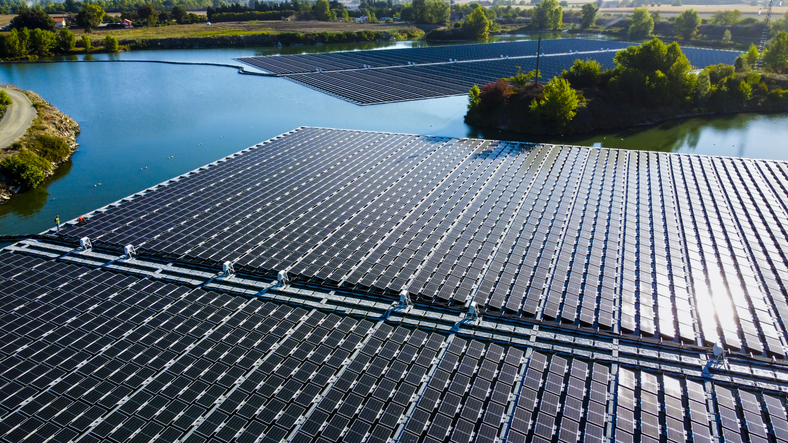
Power on tap: EU hydro giants can add 25 GW renewables without new grids
20 July 2026

Analysis
A quarter of EU power came from solar for the first time in June
13 July 2026
Policy papers
From oil dependence to electric security: a resilience roadmap for EU road transport
02 July 2026
Analysis
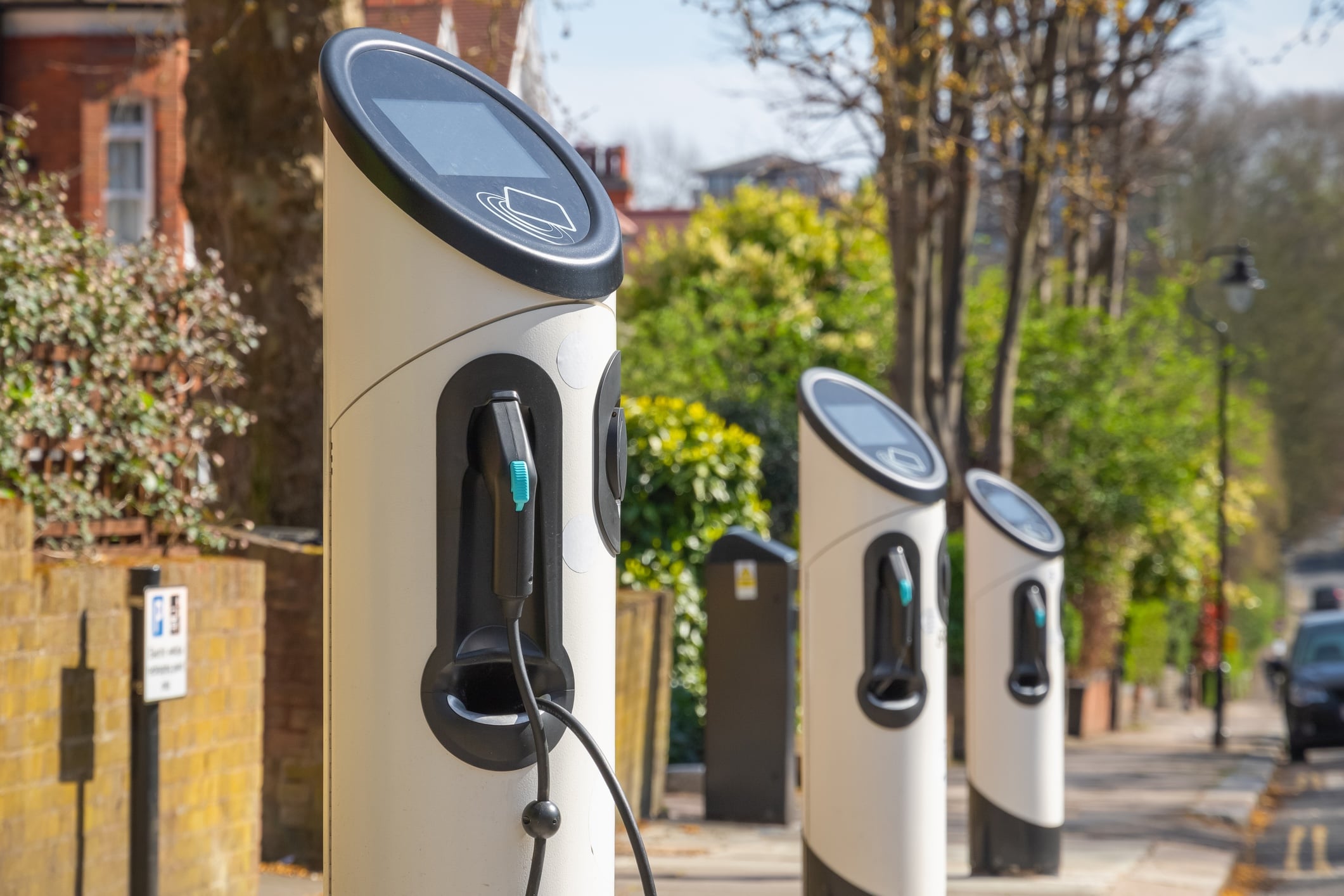
Batteries and demand flexibility are ready to scale across the EU
23 June 2026
Anchor point: Experts
Meet the team








Related energy profiles
World
Record renewables growth helped push clean power past 40% of global electricity in 2024, bringing the world to the brink of a new era of declining fossil generation
Germany
Strong solar growth in Germany as coal generation falls to historic low

France
France strengthens its role as Europe’s energy supplier, setting a new record in 2024 for exporting the equivalent of just over 16% of its total power generation to its neighbours
Spain
Spain led Europe’s solar growth in 2024 as fossil power plummeted, recording the largest solar growth in the EU for the second year running

G7
Across the G7, coal-fired generation has shrunk by 48% since 2015, as both wind and solar have replaced coal in most countries