
Chapter 2:
Generating electricity from solar is 21% cheaper than from domestic coal
In this chapter
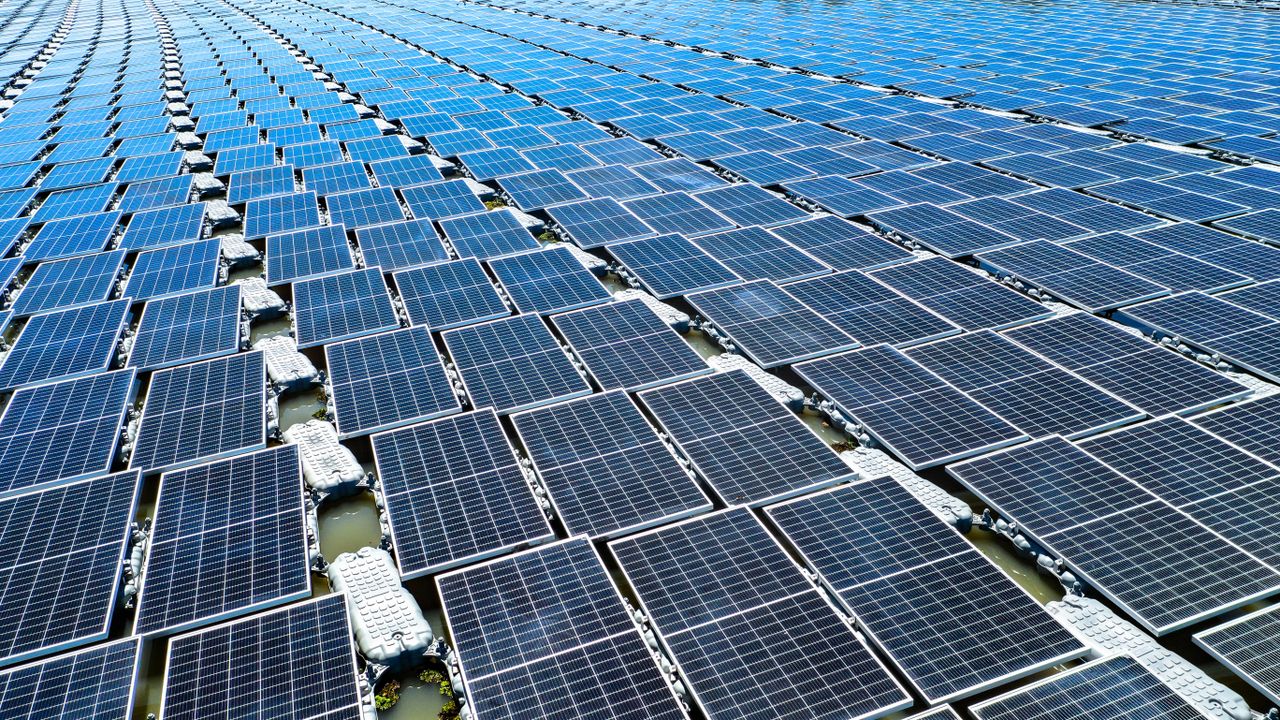
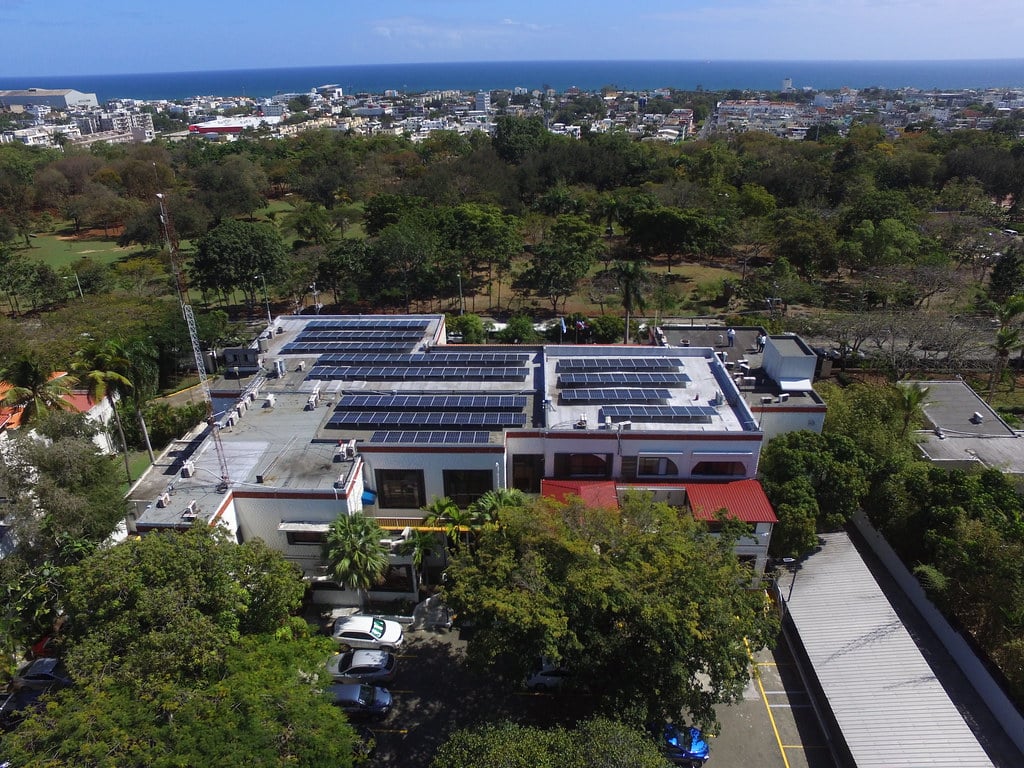
With installation costs falling by 77% over the last decade, solar has become the cheapest source of electricity generation. Electricity from a newly built solar plant is also 52% cheaper than from a new domestic coal plant.
2.1
The cost of generating electricity from domestic coal averages $55
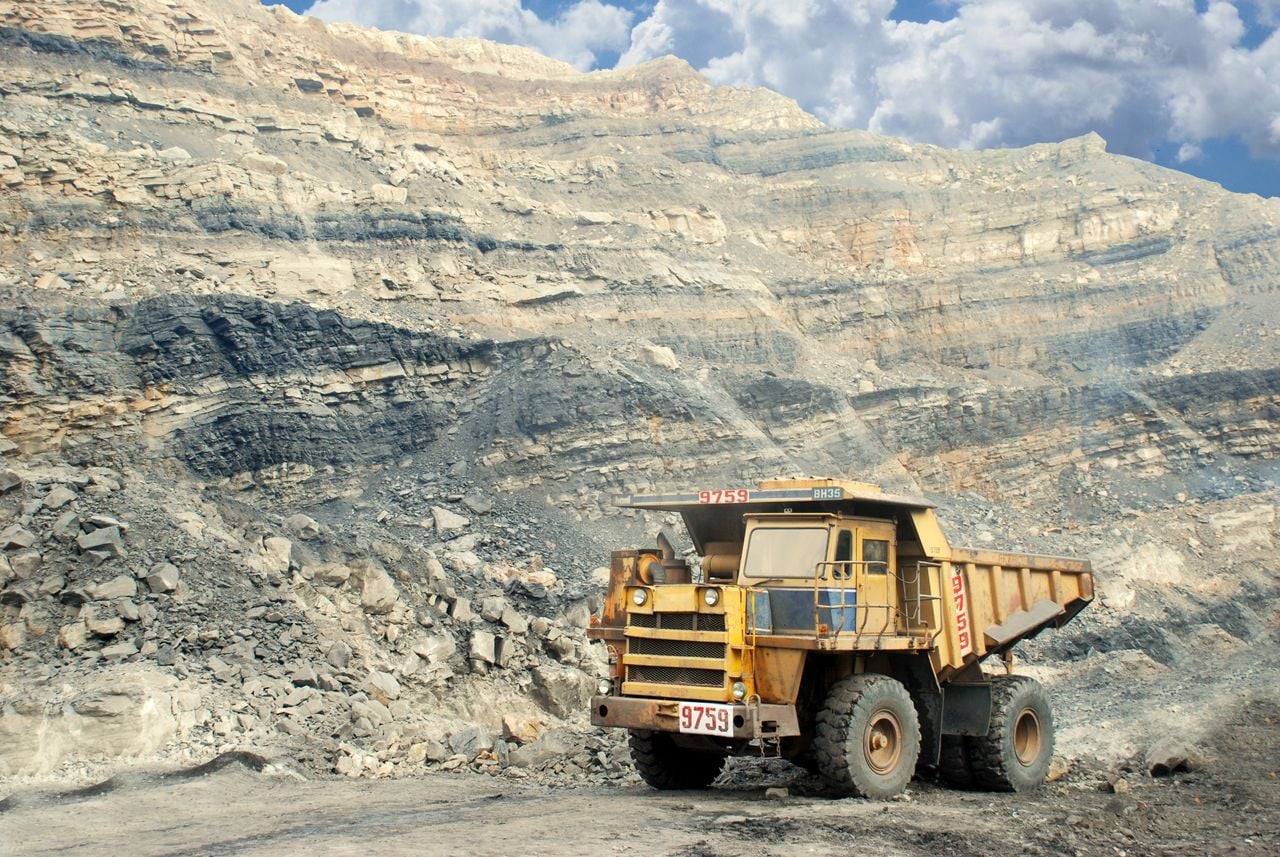
The cost of electricity generation in coal power plants depends on coal prices, coal’s calorific value, and plant efficiency. As efficiency and calorific value increase, the cost of electricity generation decreases, while as the price of coal used in electricity generation increases, costs also rise. The calorific value of Türkiye’s lignite coal varies between 1,100 and 4,200 kcal/kg, but 79% of its reserves are below 2,500 kcal/kg. Calculations based on TEİAŞ data, the average calorific value of coal used in electricity generation is 1,650 kcal/kg. The efficiency of power plants using domestic coal in electricity generation varies between 23% and 41%. Again, according to TEİAŞ data, the average power plant efficiency is 32%.
The price of coal varies depending on whether it is extracted from an open-pit mine or an underground mine. The mining sites operated by the Turkish Coal Enterprises (TKI) are classified as open-pit mines. Given that it is a state-owned enterprise and the mining areas are open-pit mines, the coal sales price applied by TKI to power plants can be considered the lowest coal price. Based on the coal sales price applied by TKI to power plants in 2024 and the inflation data published by the Turkish Statistical Institute (TURKSTAT), the price of coal used in domestic coal power plants — excluding transportation costs to the plant — is estimated to be approximately 1,100 TL per ton as of September 2025. Based on this price, and assuming an average calorific value of 1,650 kcal/kg and an average efficiency of 32%, the average unit cost of electricity generation in domestic coal power plants is calculated to be $53 USD/MWh.
The cost of transporting coal from the mine to the power plant varies depending on whether conveyor belts, road or rail transport is used. If the transport cost is assumed to be 5% of the sales price, the average electricity generation cost increases by approximately 2 USD and will be $55 USD/MWh.
According to TKI, Mineral Research and Exploration General Directorate (MTA) data and literature research (See: Methodology), the lowest calorific value of coal used for electricity generation in power plants is 1,100 kcal/kg, and the efficiency of this power plant is stated as 28%. Based on these values, calculations show that the power plant’s electricity generation cost rises to $86 USD/MWh, making it the most expensive coal power plant in Türkiye. On the other hand, the coal used in the plant operating at the highest efficiency (42%) has an average calorific value of 2,500 kcal/kg. This plant, with an electricity generation cost of $32 USD/MWh, is the lowest-cost plant among those operating with domestic coal.
2.2
Solar generation costs down 69% in a decade
Government policies supporting renewable energy investments globally have driven up sector demand and research and development funding. This, in turn, has led to technological improvements and lower costs in renewable power generation. As a result, over the past decade, the installation costs of new wind power plants in Türkiye have decreased by 40%, while those of solar power plants have fallen by 77%.
The decrease in installation costs also leads to a reduction in the lifetime electricity generation costs of power plants. The Levelised Cost of Electricity (LCOE) is an indicator used to calculate the present value of the unit cost of electricity that power plants will generate over their lifetime. The LCOE, which is calculated by dividing all the costs incurred by the power plant throughout its economic life, such as installation, operation and maintenance, by the amount of electricity it will generate, allows the unit costs of electricity generated from different sources to be compared.
Thanks to the decline in installation costs, the LCOE of new solar power plants to be established in Türkiye has fallen by 69% over the last decade to $43 USD/MWh (See: Methodology), while the LCOE of wind power plants has fallen by 20% to $64 USD/MWh. With this decline, the electricity generation cost of new solar power plants has fallen 15% below that of existing imported coal power plants and 21% below that of existing domestic coal power plants. As a result, as of 2025, solar energy has become the cheapest source of electricity generation in Türkiye.
Türkiye’s published National Energy Plan (NEP) states that new domestic coal power plants with a capacity of 1.7 GW will be added to the system by 2030. In line with the NEP, a parallel statement commits to providing purchase guarantees through 2045 for new power plants replacing domestic coal power plants that are nearing economic obsolescence. Under the current economic conditions, if a 1.5 GW coal power plant that has reached the end of its economic lifetime were to be replaced with a new one of the same capacity, the LCOE of the new plant would be approximately $90 USD/MWh (See: Methodology). This is more than twice the electricity generation cost of a newly built solar power plant ($43 USD/MWh).
2.3
YEKA tender purchase guarantees are lower than coal incentives
In Türkiye, the YEKA tender was developed to implement large-scale solar and wind energy projects, promote domestic manufacturing of technology, and increase the qualified workforce. The first tender under this model was held in 2017. The latest tender was held at the beginning of 2025 for 1.2 GW of wind and 0.8 GW of solar capacity.
The purchase guarantee ceiling price applicable to both types of sources in tenders is set at $55 USD/MWh, while the minimum price is set at $32.5 USD/MWh for solar energy projects and $35 USD/MWh for wind projects. In cases where the bids reached the minimum price, the companies offering the highest contribution fee per MW were awarded the tenders.
According to the tender results, the minimum price set for both types of sources has been reached; the weighted average of the contribution fee offered by the winning companies per MW was $100,000 for wind projects and $126,000 for solar projects. Thus, the purchase price to be applied to wind and solar power plants has been set at less than half of the price provided to domestic coal power plants ($75 USD/MWh) until 2030, and companies have committed to pay a total contribution of $220 million to the state.

Related Content