
Chapter 3:
Achieving the 2035 targets is possible through grid upgrades and diverse solar power plant applications
It does not appear feasible for Türkiye to achieve its total installed capacity target of 120 GW of wind and solar energy by 2035 without upgrading the electricity grid and removing bureaucratic barriers to various solar energy projects. The energy transition can only be accelerated by making efficient use of existing financing opportunities.
3.1
Coal gets $8.7 Billion boost that 53% more than 5-year grid upgrade budget
Türkiye targets 120 GW total installed capacity in solar and wind energy by 2035. The statement emphasises that strengthening and modernising the grid is necessary to achieve this target.
For unlicensed power plants, which account for 90% of Türkiye’s installed solar capacity and are established to meet self-consumption needs, the transmission grid hit capacity limits in September 2024, distribution followed in July 2025. TEİAŞ plans to spend ₺362 billion (approximately $5.7 billion) for grid upgrades over the five-year period regarding its 2024–2028 Strategic Plan. The same plan highlights that one of the most important factors affecting the institution’s activities is the negative impact of economic conditions on contracts signed with contractors. Indeed, for this reason, contractor companies have faced penalties such as exclusion from future tenders.
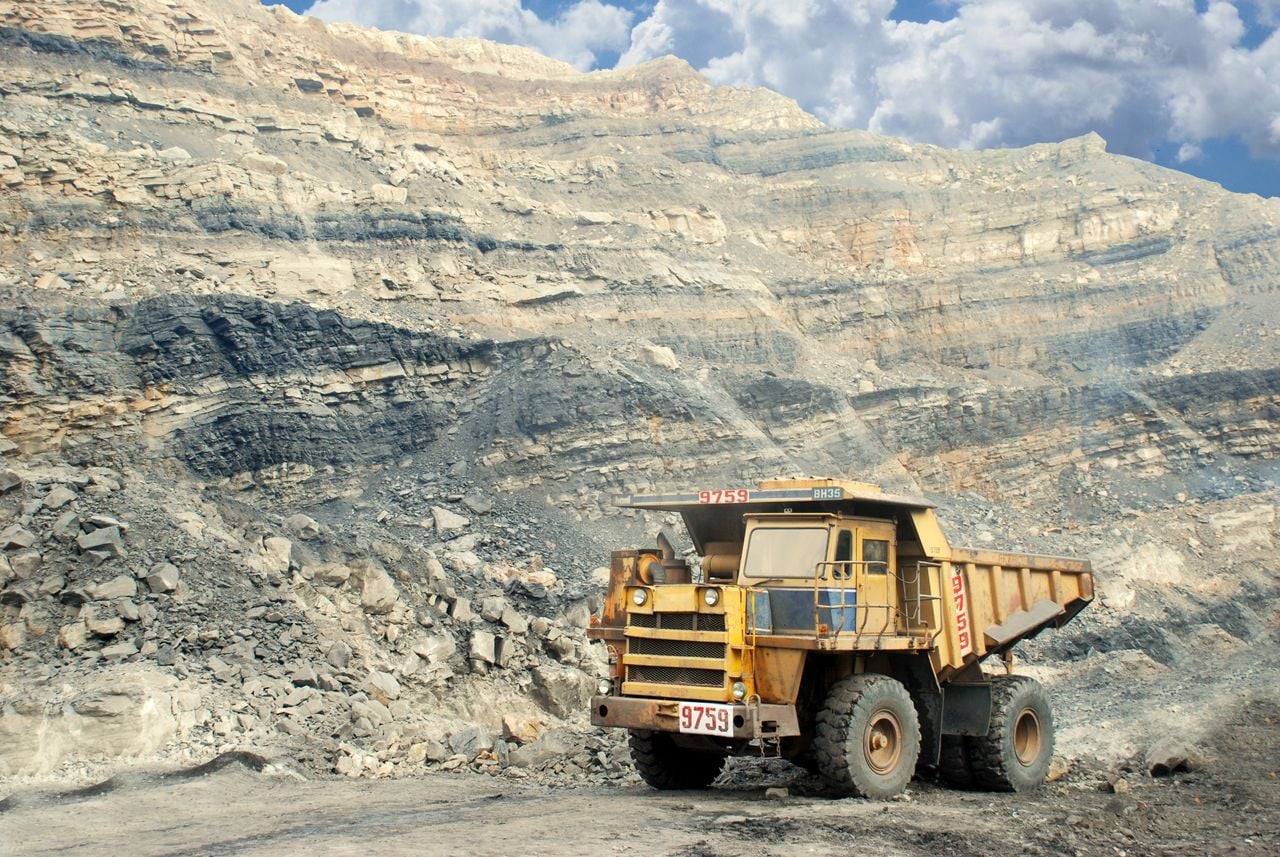
The $8.7 billion to be spent on supporting domestic coal power plants until 2030 is 53% more than the entire five-year grid renewal budget. Directing the resources allocated to coal subsidies towards the modernisation of the transmission and distribution grid and the construction of new substations will accelerate the achievement of the 2035 targets.
3.2
The key to energy transition: rooftop solar, floating solar, hybrid solar and storage-integrated projects
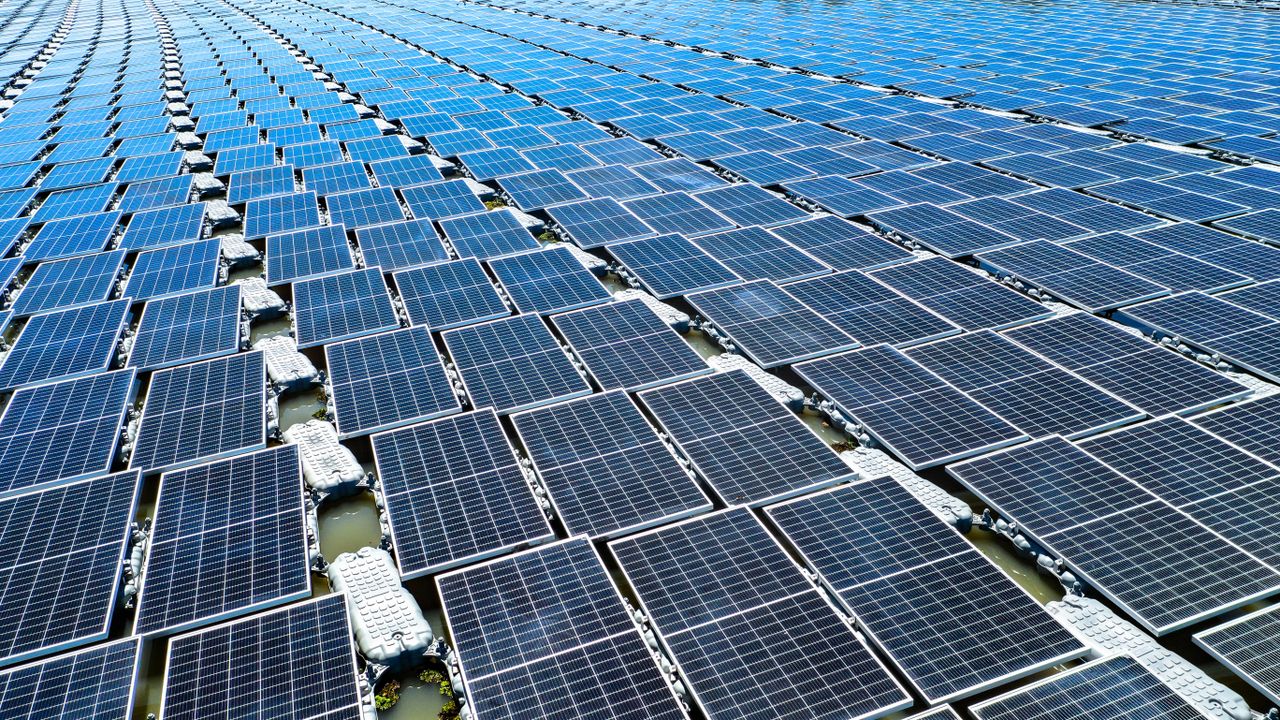
As of September 2025, the installed solar energy capacity stands at 24.1 GW. By realising the potential of installing floating and hybrid solar power plants at dammed hydroelectric power plants in Türkiye, the country can significantly increase its installed solar capacity. This would also help Türkiye to meet the base load demand and provide the grid balancing currently expected from domestic coal power plants.
Dammed hydroelectric power plants naturally store water, allowing flexible generation depending on the needs of the grid. By installing solar power plants alongside dammed hydroelectric power plants, daytime electricity demand can be met through solar generation, while the hydroelectric power plants can help maintain system balance during potential load drops. In the evening hours, the water stored during the day can then be used for electricity generation.
In regions where the installed capacity of dammed hydroelectric power plants is low, base load and grid balancing can be achieved with storage-integrated projects. Türkiye has a total stock of 33.1 GW of storage-integrated solar and wind projects. Projects with storage are considered an effective tool for maintaining the frequency and voltage balance of the electricity grid. However, despite these characteristics, the maximum price policy applied to market prices in Türkiye is one of the biggest obstacles to the implementation of new investments.
In a scenario where the maximum price policy continues, incentives for domestic coal power plants could be directed towards storage-integrated solar and wind projects in order to benefit from their ability to maintain system balance.
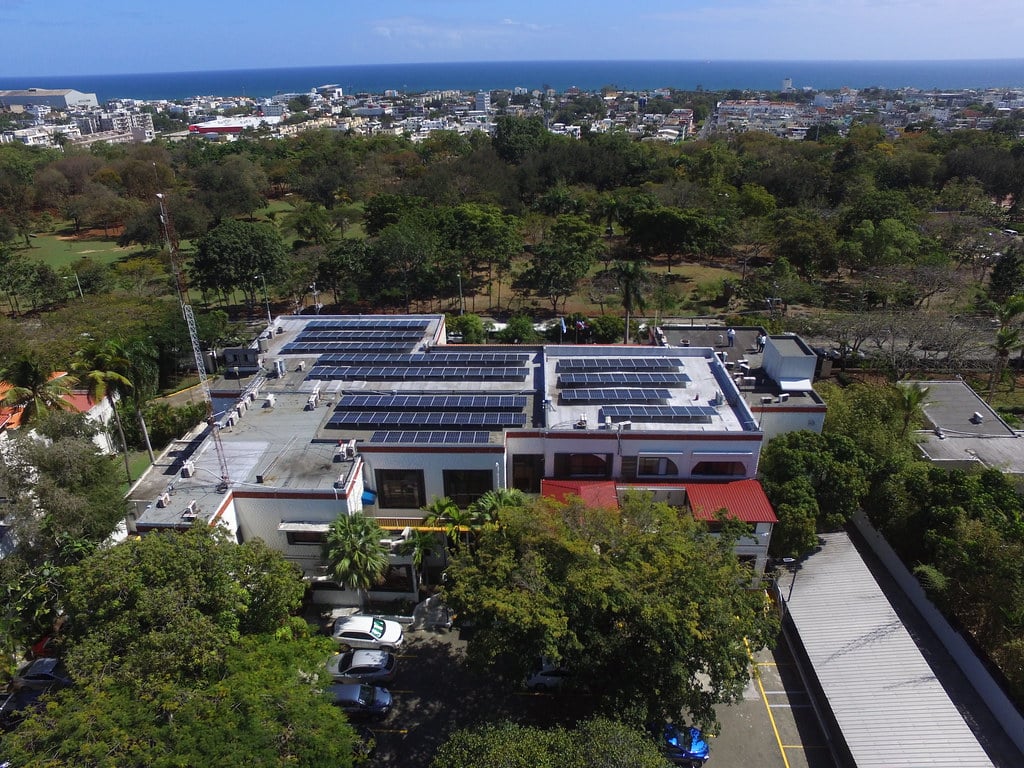
One of Türkiye’s most significant potentials is its 120 GW rooftop solar power systems. Due to the increasing demand for cooling in recent years, partly driven by climate change, consumption rises by an average of 770 MWh for every 1°C increase in temperature. Solar energy can meet 21% of consumption during peak cooling demand hours. By removing bureaucratic barriers to rooftop solar installations and simplifying investment procedures, Türkiye can rapidly increase rooftop solar capacity, enabling on-site consumption and thereby reducing the load on the grid.
Türkiye aims to reach 76.9 GW of installed solar energy capacity by 2035. To achieve this target, an average of 5.3 GW must be installed each year over the remaining 10 years. However, due to capacity constraints in the grid, Türkiye must realise its potential in different solar energy projects to reach this target. Rather than promoting domestic coal, removing the bureaucratic obstacles to these projects and providing the necessary investment environment will accelerate the energy transition.

Related Content