
Supporting materials
Downloads
Download the report PDF
Methodology
Domestic energy bills
Fuel consumption and unit prices based on the 2025 Q1 Ofgem price cap and fuel used for heating based on DESNZ domestic energy consumption data. Total household expenditure data is based on Annual domestic energy bills – GOV.UK data, and has been divided by ONS household statistics to arrive at household level expenditure data. While transport makes up a significant proportion of household expenditure, gas demand has been significantly depressed since 2021, likely due to high gas prices in recent years. Transport expenditure is based on the government data table TSGB1306.
Clean Power 2030 data
The Clean Power 2030 target is only for Great Britain. Where UK data is used, Northern Ireland data has been incorporated based on the most recent Generation Capacity Statement (GCS) as well as historic data at country level available in DUKES and other national energy data. Power generation in Northern Ireland makes up around 3% of the UK total. As with future targets, there is a level of uncertainty in the Northern Ireland data, where particular assumptions are unclear in the GCS data, these have been kept at a constant level out to 2030.
Biomass wood pellet price data
Bilateral trade of wood pellets, and the vertical integration of producers and power generators, mean that the actual price paid for biomass power fuels are often not publicly available – however overall trade data for wood pellets is published regularly.
Long-term price stability
Energy system modelling by E3G and Baringa (2025) found that the typical bill in an ‘Unconstrained Acceleration scenario’ (which achieves 96% clean power) “would rise by only £71 compared to our central gas prices – an increase of less than 9%.” In their ‘Baseline scenario’ (which achieves 86% clean power) “a similar gas price shock would result in an increase in electricity bills of £161, or over 20%.” The ‘Unconstrained’ scenario, similar to the 2030 Clean Power target, would see bills increase by only a fifth (21%) when compared to the rise during the most recent energy crisis, in which electricity bills for an average household increased by £335.
Acknowledgements
Lead author
Frankie Mayo
Contributors
Sarah Brown, Euan Graham, Harriet Fox, Eva Mbengue, Lauren Orso, Ardhi Arsala Rahmani, and Kavya Sharma
Header image
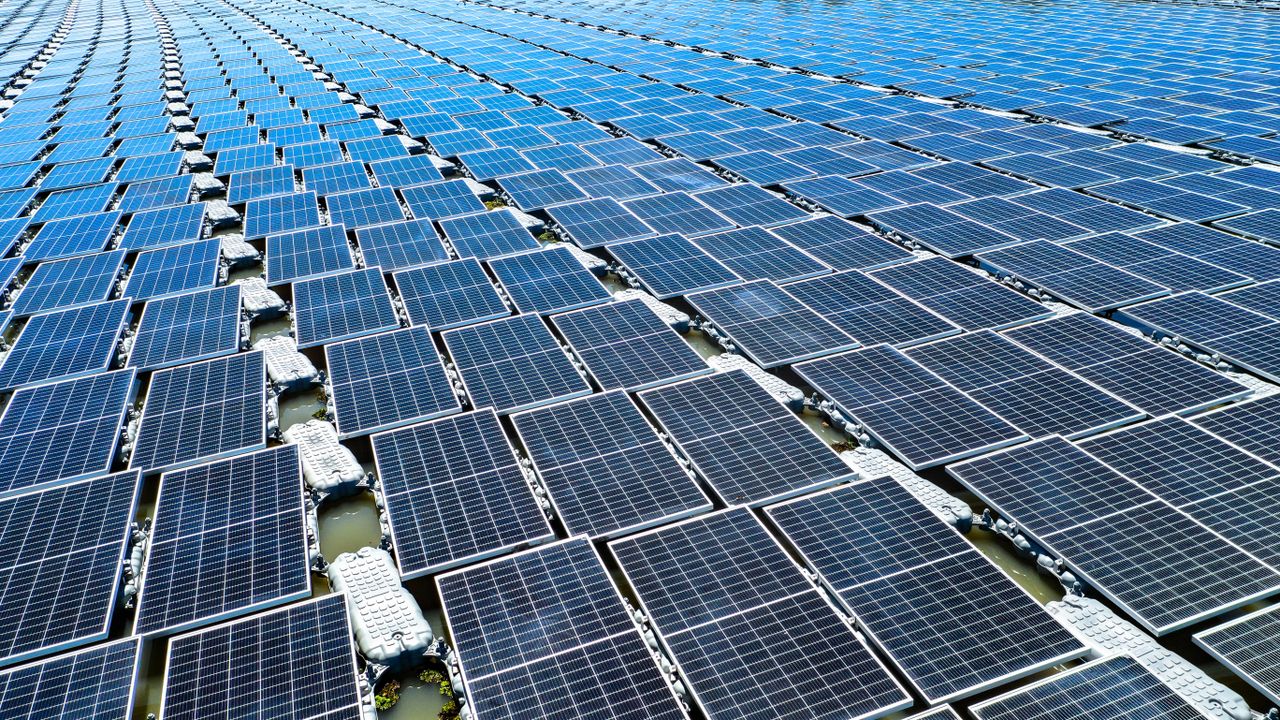
Antons Jevterevs / Alamy Stock Photo

Related Content