

The New Twin Fossil Shock
How the energy crises of the 2020s speed up the electric age



The 2020s have already seen two major fossil fuel shocks. In 2022, Russia, the world’s largest fossil fuel exporter, invaded Ukraine. In 2026, the Strait of Hormuz, the world’s largest oil and LNG supply route, was shut by the US-Israel war with Iran. The parallels with the 1970s oil shocks are striking. But so too is the difference. For the first time, there are scalable, cost-competitive alternatives. Solar, wind, batteries, EVs and other electrotech offer a permanent route out of fossil dependence. The shock has jolted the electric age forward. But the response is a choice: lean into local, electric security, or reach back to the old fossil playbook.
1. The Twin Shock of the 2020s
The shutdown of the Strait of Hormuz that began on 28th February 2026 has been the largest oil supply disruption on record. The 1973 and 1979 oil shocks each removed around five million barrels a day. Hormuz has taken out more than ten. If scale is one variable, duration is the other. In both 1970s crises, the supply loss lasted around six months. Six weeks in, even an immediate reopening puts normality months away. Wells need time to restart. Over sixty damaged energy sites across the Gulf need repairing. The risk premium for crossing the Strait will linger.
The significance of this shock is compounded by what preceded it. Four years ago, Russia’s invasion of Ukraine shut the world’s largest fossil fuel exporter out of its largest market. Overnight, Europe was forced to replace its main energy supplier, with knock-on effects worldwide. Now, four years later, the world’s largest oil and LNG supply route has followed suit. One shock is an event. Two is a pattern. To the extent history persuades, it is by repetition.
The wider pattern is that fossil fuel trade has never been riskier. The world is increasingly unstable – global armed conflicts are at their highest in decades, and the weapons needed to close a chokepoint have never been cheaper. A $20,000 drone can stop a $150 million tanker dead in the water. Furthermore, in 2019, the United States became a net fossil exporter for the first time since World War II. Its incentives have changed accordingly. For the three-quarters of the world living in fossil fuel-importing countries, that means, at best, a receding guarantor at the very time maritime dangers rise. At worst, the US has moved from guarantor to disruptor. For this importing majority, decades of fossil import dependency accumulated under the Pax Americana are now a glaring strategic vulnerability.
Generational shocks ask for a historical perspective. The closest analogy to the twin shocks of the 2020s is the twin shocks of the 1970s. So, what structural changes did that cyclical disruption bring forward? What guidance can it offer now? And why might today’s response go further, given the scale and cost of the alternatives?
2. The world has been here before
A commodity price shock does two things at once. It changes what is economically rational, and it changes what is politically possible. Faced with a supply shock, nations have three options: use less, find more or substitute with something else. The menu of options at the time determines what the energy system looks like on the other side.
In the 1970s, the oil price tripled in 1973 and then doubled in 1979. From $23 per barrel pre-crisis in 1973, it rose sixfold to $140 by 1980 (in 2024 dollars). As the era of cheap oil ended, the economic and political shock that followed reshaped the energy system for a generation.
The response came through three main levers: using less fossil fuels, through efficiency; finding more oil, from non-OPEC basins; and replacing oil with alternatives.
Efficiency was the most powerful response. Until the 1970s, the link between GDP growth and energy demand was considered almost a law. The shocks broke it. Annual primary energy demand growth fell from nearly 5% in 1960-73 to 2% in 1973-85. The rate of energy productivity improvement tripled, from 0.3% a year to 1%; in the OECD it rose over tenfold, from 0.2% to 2.1%.
But the shock did not hit all energy equally: it punished fossil fuels and rewarded electricity. Fossil fuel demand experienced a relative decoupling from GDP, but electricity kept rising. Shocks favour secure and efficient energy forms. The long march of electrification gathered new momentum, decades before people saw it as such.
Perhaps the clearest mark of the break is in per capita terms. Global final oil demand per capita peaked in 1979 and has never recovered. The first oil shock slowed the growth of oil per capita. The second pushed it over the cliff. One shock gives you pause. Two gives you wisdom.
Final fossil fuel use per capita peaked in 1979, and has never exceeded that level. Growth of 2.6% a year in 1960-73 turned into a decline of 0.8% a year in 1973-85. As Amory Lovins foresaw at the time, the 1970s made energy productivity a permanent force. No single factor has done more to shape global energy demand since.
The second response was to find more oil outside OPEC. New sources of supply came online in locations such Western Siberia, the North Sea and Alaska, and by 1990 new basins added 15 million barrels per day (mbpd) or a quarter of global oil supply. The North Sea alone went from 0.1% of global oil production in 1973 to 6% in 1985. OPEC’s market share fell from a half to under a third over the same period.
The third response to the 1970s oil shocks was substitution. Coal and gas played a role across sectors from electricity to buildings. The main non-fossil alternative was nuclear, which grew during that decade at over 20% a year. In 1973 nuclear was 3% of global electricity generation; fifteen years later it increased to 17%. This helped push oil out of power generation. In 1973 oil was a quarter of global electricity generation. Two decades later, a tenth. Today it is about 2%. Shocks hit the weakest links the hardest.
As with fossil energy consumption, the impact of a twin shock in accelerating change is clearly evident in power generation. The first shock slowed oil’s growth in electricity. The second pushed it into terminal decline. At risk of repetition, one shock gives a warning; two gives a verdict.
But the 1970s crisis was also a story of limits. Oil’s grip on transport was dented but not broken. Cars got more efficient, but the world drove more of them. Efficiency stretched the fuel without replacing it. In electricity, nuclear stalled, as costs rose instead of falling and disasters tarnished its reputation. As Gulf oil flowed back, high-cost OECD basins struggled and OPEC regained share. When prices fell, the pressure to change fell with them.
The 1980s glut snapped the system back. Fossil trade, which had stalled through the shocks, resumed growth in the mid-80s at close to 3 percent a year from then until 2022. Non-OECD consumption picked up pace, led by China and India. The alternatives were not yet cheap, broad or attractive enough to survive an era of low fossil fuel prices.
Nonetheless, the major changes in fossil consumption after the 1970s shows that in times of crisis, even expensive and slow solutions can reshape the energy system. The 1970s crises broke the link between GDP and fossil fuels, killed oil in power, and drove a peak in per capita end-use demand for fossil fuels. The question now is: what can fast, cheap, fuel-free solutions do to the energy system following the 2020s twin fossil shocks?
3. This time the alternative is superior
Relative to the 1970s, electrotech today is cheaper, faster and more secure, bringing with it irreversible consequences for an even bigger segment of fossil demand.
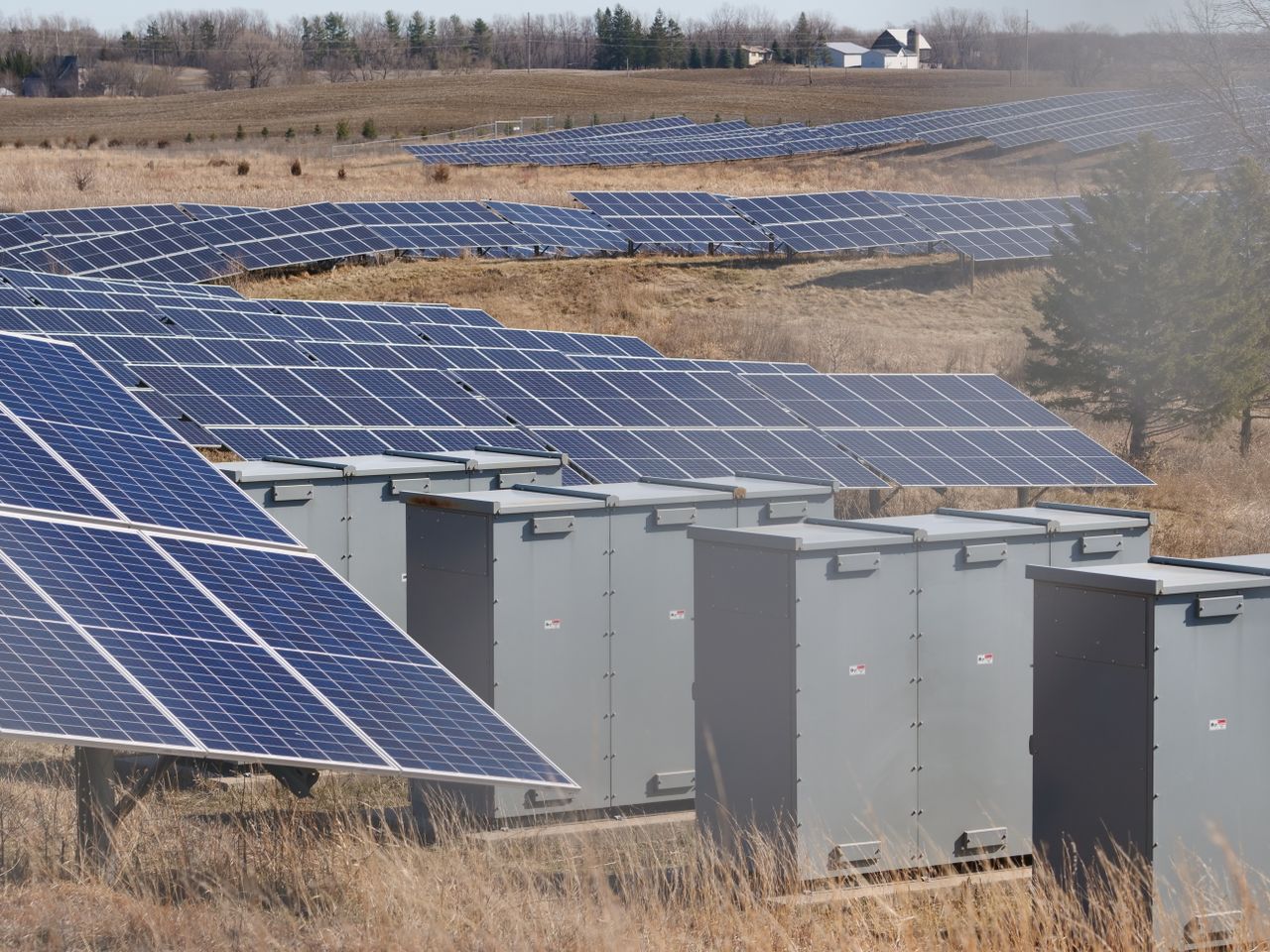
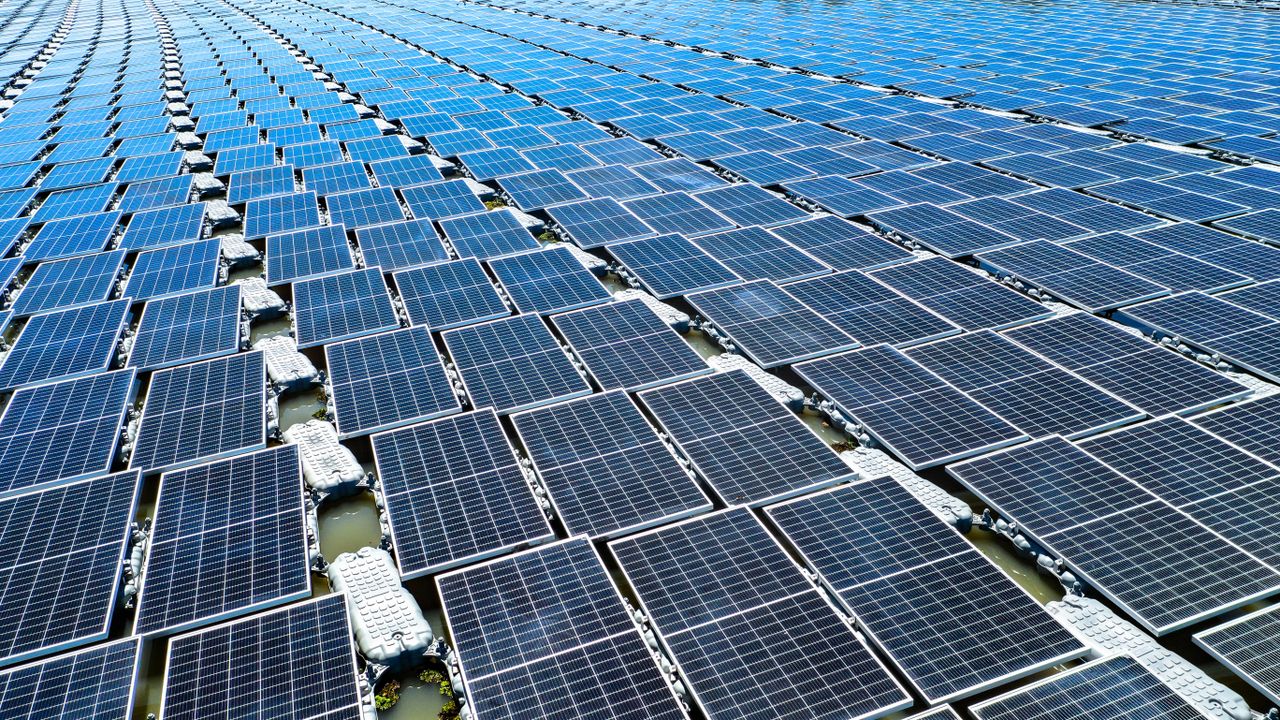
Cheaper. Fossil fuels were already losing to electrotech on economics before the war. The war widens the gap. In power, solar plus storage now costs below $60 per megawatt hour (MWh) at a global level. The variable cost of LNG-fired power in Asia, at $20 per million British thermal units (MMBtu), exceeds $160 per MWh – nearly three times the cost of never needing fuel again. In transport, EVs compete with petrol cars on sticker price in most major markets, and undercut them by 60–80% per kilometre driven. For the internal combustion engine to compete with an EV in China, crude would have to fall below $15 a barrel.
Bigger. In the 1970s, oil in power was a tenth of oil demand – a small target. The vulnerable sectors today are far larger, and that has profound implications. Road transport is nearly half of oil demand; power is a third of LNG demand; low-temperature heat in buildings is a fifth of gas demand. And the alternatives no longer start small. In relative terms, solar and wind are over five times larger than nuclear was when the 1970s shocks hit. EVs are a quarter of global car sales and climbing fast. When the first 70s shock hit, electricity was 12% of useful energy. It is now over a third. A bigger alternative attacking a bigger target leaves a bigger mark.
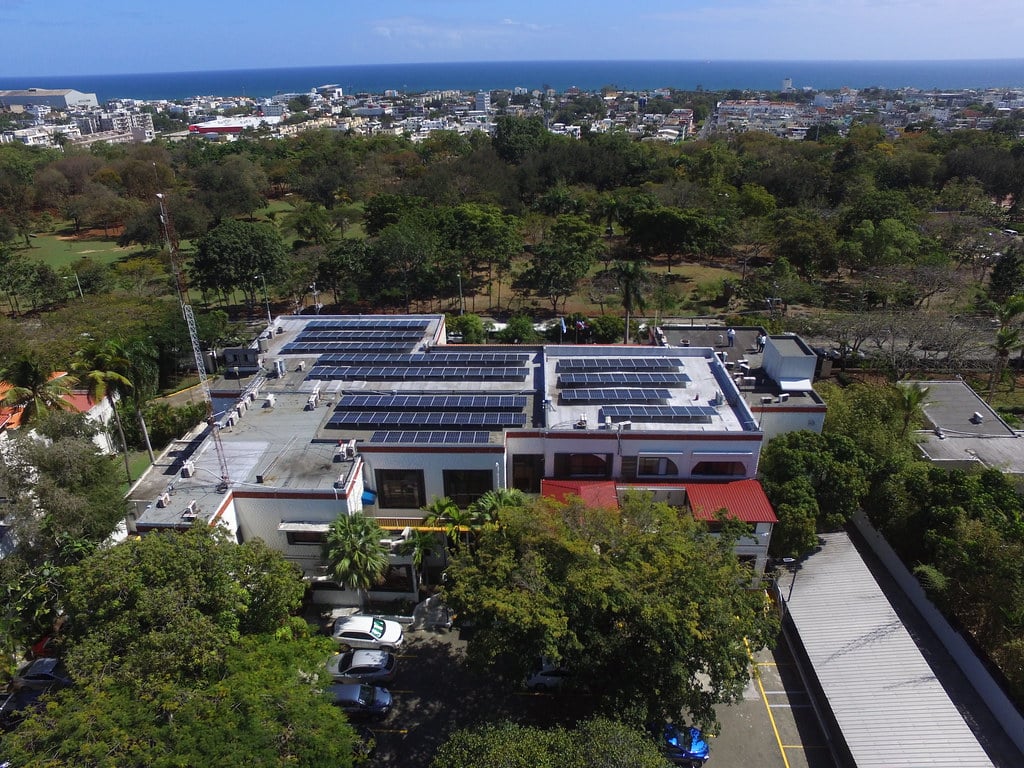
Faster. Nuclear plants and new oil fields took a decade to build. A solar farm takes 18 months. A rooftop system, a couple of weeks. An EV can be bought and driven home that afternoon. This time, cutting dependency does not require permission: it can run at the speed of consumer choice, not bureaucracy. And the supply chain is ready. China already has the factory capacity to more than double 2025 sales of solar, batteries and EVs. What was once seen as “overcapacity” is now just capacity.
More secure. Even accounting for concentrated supply chains, electrotech is more secure than fossil fuels. Once installed, it is fuel-free: the sun cannot be sanctioned. The difference is between owning a house and renting one from a rapacious landlord. When Hormuz shut, taps ran dry, prices jumped, governments rationed, queues formed. None of this happens with electrotech: if your supplier cuts you off, you have thirty years to find another one. As Bill McKibben put it, sunlight travels 93 million miles to reach the Earth, none of them through the Strait of Hormuz.
Irreversible. Electrotech is a one-way door. Once installed, solar and wind have near-zero running costs, so no fall in fossil prices can lure demand back. EVs and heat pumps follow the same logic. Given they are cheaper to run, and locked in for a decade or more, the economic case for reverting never materialises. Even at end of life, almost nobody switches back to fossil tech.
Where the 1970s shocks saw demand bounce back in the 1980s glut, the glut of the 2030s will be permanent. With low running costs and falling prices, electrotech will keep winning even as fossil prices normalise.
4. The Implications
If a crisis with a limited set of solutions reshaped the energy system for a generation, one with superior solutions will transform it. Four consequences stand out.
Asia will drive growth via the electrotech fast-track. If the 2022 energy shock was largely a European crisis, 2026 is felt hardest in Asia. More than 40% of Asia’s oil passes through the Strait of Hormuz. The continent that was supposed to drive the next decade of fossil fuel demand growth is now the continent with the strongest reason to abandon it. The analogy is European oil demand in 1979, which peaked and never returned. Asia’s path to energy prosperity will be built on a fast-track to domestic electrotech.
LNG will be pushed out of power generation. It faces the same fate as oil did in the 1970s: expensive, insecure and undercut by cheaper competition. Electricity generation accounts for over a third of LNG demand, with two-thirds of that in Asia. That share is now structurally at risk. The bull case for LNG has turned bearish.
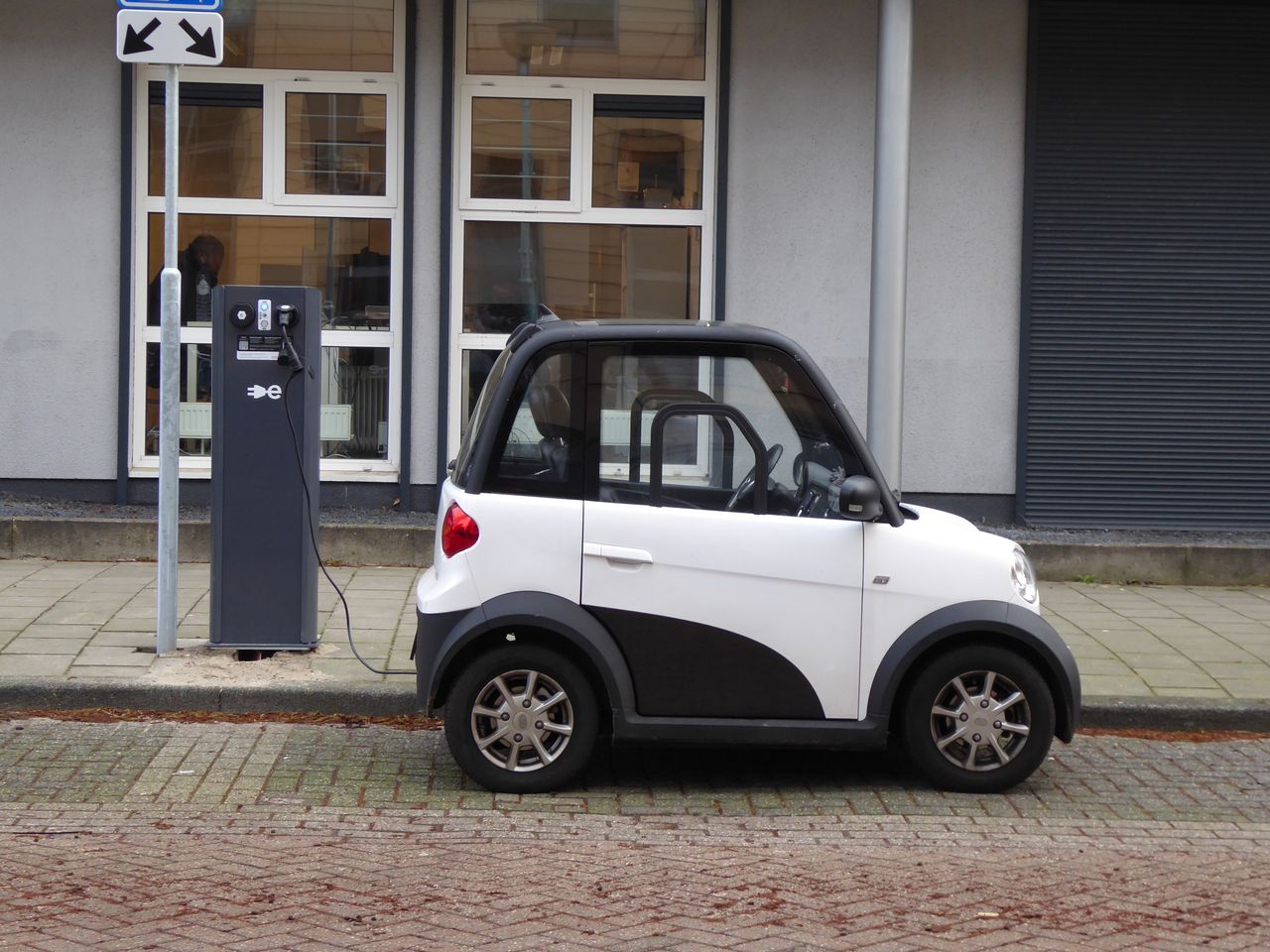
Oil will be pushed out of transport. The sector the 1970s could not crack is being disrupted by cheap batteries. Buildings and industry have been electrifying for over a century. Transport resisted change, and is now switching faster than either of them. EV sales grew 20% in 2025 to reach one in four of car sales globally, and half of sales in China, the largest car market in the world. Momentum is spreading across Asia with EV 2025 sales reaching 15% in Indonesia, 21% in Thailand and 38% in Vietnam. Where cars go, trucks follow: electric heavy trucks are now 29% of sales in China.
Most fossil fuel import spending goes to oil, and the largest share of oil goes to road transport. Replacing oil imports for road transport with EVs could save importers over $600 billion a year – the single largest lever any country has to cut its import bill. The sector that drove oil demand growth for decades is now set to drive its decline.
Oil in transport and LNG in power are the two largest cracks in the fossil system. Slower but steady shifts in buildings and industry electrification widen them further. Together they suggest peak fossil fuel demand – not per capita, as in 1979, but absolute – is already behind us.
Peak fossil demand. The era of peaking fossil fuels began before the 2020s twin shocks. OECD fossil fuel demand peaked in 2007. Global fossil energy use in industry plateaued in 2014. In buildings, 2018. In road transport, 2019. Fossil fuel demand in the world outside China has been flat since 2019, and China’s own fossil consumption is now plateauing. Growth in fossil-fuelled power generation has stalled: in the first three quarters of 2025, solar and wind grew fast enough to exceed new demand. With solar, wind, electric vehicles and batteries growing exponentially, decline is near. The twin shocks pull the peaks forward, shorten the plateaus, and steepen the declines.
5. Shockproofing through electrotech
Every country’s first instinct in a crisis is to secure more supply – new sources, new routes, new partners, strategic reserves. These are necessary palliative measures to treat the symptoms of the shock. But they should not crowd out the opportunity to treat the underlying condition: fuel dependency itself. For this, four priorities stand out.
Use the crisis to sweep away the regulatory undergrowth. The energy system is riddled with legacy rules that prop up the fossil status quo. In 2024, governments still paid over $900 billion in direct fossil fuel subsidies. Taxes are often loaded onto electricity while gas is subsidised. Gas sets the price of electricity even in markets where it only makes up a small share of generation. Legacy regulations hold back the deployment of batteries, solar, wind, power lines and grid enhancing technologies. In peacetime, these structures are defended by incumbents and inertia. In a crisis, the political permission exists to sweep them aside.
Prioritise electrification, not just generation. Renewables dominate the headlines, but most import dependency comes from fuels applied to direct end-use – oil, gas, and coal for transport, heating, and industry. Yet three-quarters of these uses can already be electrified with existing technologies. Shifting from imported molecules to domestic electrons is the single most powerful thing an importing nation can do. And to drive electrification, the price of electricity matters above all.
Get the price of electricity down. Electrification has stalled across the US and Europe at just over 20% for nearly two decades. A key reason is that electricity costs too much relative to gas. Legacy costs, levies and cross-subsidies have been loaded onto bills for years. Get the price of electricity below the price of gas and the market then works to drive change.
Build the institutions the electric age needs. Crises create political permission for ambitious institutional change that peacetime denies. The 1970s built the International Energy Agency, the Strategic Petroleum Reserve and fuel economy standards – architecture aimed at managing fossil dependency. They served their purpose. The 2020s demand institutions of equal ambition, aimed at ending it. What such institutions look like, and who leads their creation, is an open question. That the moment demands bold ideas is not.
The temptation will be to reach for the familiar playbook – more drilling, more subsidies, more supply diversification. These reflexes were built for a world without alternatives. By the time new fossil supply comes online, it will be outcompeted by cheaper electrotech. Subsidies entrench the dependency that caused the crisis. Even diversified fossil imports will always be less dependable than the sun rising.
The 1970s reshaped the energy system despite alternatives that were slow, expensive and addressed only a fraction of fossil demand. Today’s are faster, cheaper, fuel-free and able to replace most of it. For the first time, superior low-cost alternatives exist at scale. The question is whether governments build forward to the electric age or reach back to patch up the fossil one.
Supporting Materials
Acknowledgements
Hannah Broadbent, Chelsea Bruce-Lockhart, Eli Terry
The authors would like to acknowledge two historical datasets used in this article: IIASA’s Primary, Final and Useful Energy Database created by Simon De Stercke and Pinto et al.’s “The rise and stall of world electricity efficiency: 1900–2017, results and insights for the renewables transition”.
Photo credit: Google Earth, Landsat / Copernicus 2026
Related Content