

World | Ember

World

Record renewables growth pushed clean power to 43% of global electricity in 2025, bringing the world closer to an era of declining fossil generation

Last Updated: 27 May 2026

Anchor point: Overview

43%
Share of electricity from clean sources
34%
Share of electricity generated by renewables
17%
Share of electricity from solar and wind power
57%
Share of electricity from fossil fuels
40 Mt
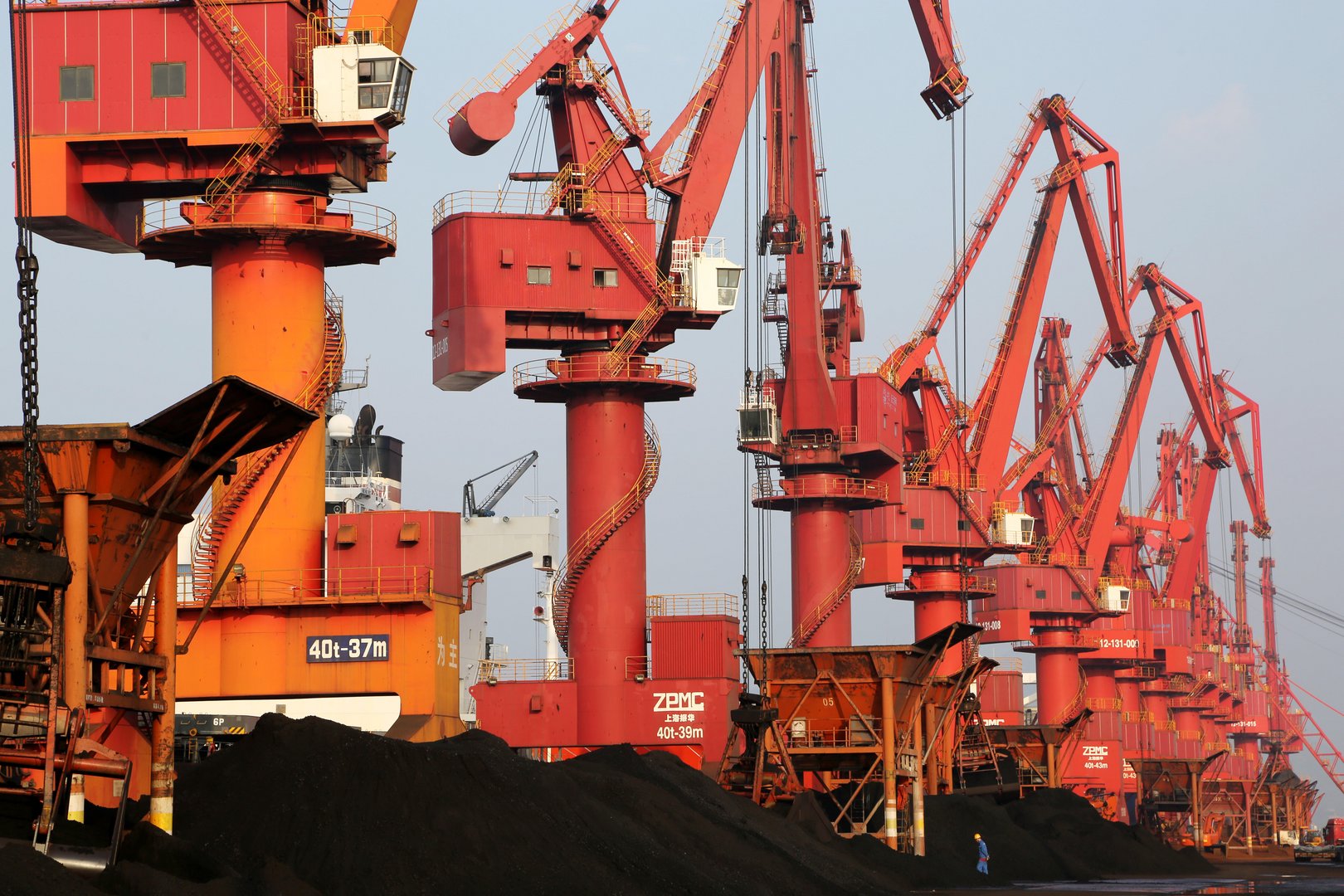
Methane leaked from coal mines in 2024

Low-carbon sources generated 43% of global electricity in 2025, continuing the steady rise in clean power.

Solar continues to lead the global electricity transition and remains the fastest-growing source of electricity in the world. Record solar growth in 2025 helped clean power meet all global electricity demand growth. Solar alone met three-quarters of demand growth, while solar and wind together met almost all of it. This prevented an increase in fossil generation in 2025. 

Together, solar and wind generated 17% of the world’s electricity in 2025, continuing their rapid rise in the global power mix. Solar reached 8.7% of global generation in 2025, almost matching nuclear’s share (8.9%), while wind rose to 8.5%, close behind. Hydro remains the largest individual source of low-carbon electricity at 14%.

Renewables reached a historic turning point in 2025, overtaking coal power for the first time in over 100 years. Solar, wind, hydro and other renewable sources together generated 34% of global electricity. Coal fell to 33%, dropping below one-third for the first time. 

Combined with nuclear, low-carbon sources generated 43% of the world’s electricity. Fossil fuels still provide 57% of the world’s electricity – and coal power remains the single largest source of electricity and the single largest emitter in the global economy. 

The global shift from a fossil-based power system towards one increasingly based on clean electricity was driven largely by developments in China and India. Both countries saw fossil generation fall in 2025 as record clean power additions outpaced demand growth. 

Rapid solar expansion has played a central role in this transition. Deployment has accelerated fastest in emerging economies – particularly Brazil, China and India – which together account for more than half of new solar capacity added since 2015 and are now among the world’s largest solar-generating countries. 2025 also saw a major pick-up in solar panel imports into Africa – a shift likely to impact almost every country on the continent.

Even as global electricity demand continues to grow, driven by electrification and technologies such as electric vehicles and data centres, the balance of growth is shifting decisively towards clean power.

Weather and short-term market conditions can still cause fluctuations in fossil generation from year to year. But the direction is clear: the global electricity transition is being driven by the rapid expansion of solar and wind power, increasingly supported by battery storage that enables solar electricity to be used beyond daylight hours.

Fossil fuels still provide 59% of the world’s electricity – and coal power remains the largest source of electricity and the single largest emitter in the global economy – but the extraordinary growth of solar and wind has helped to slow the growth in fossil generation by almost two-thirds in the last ten years. Coal’s market share has been falling since it peaked in 2013, and the share of gas has also been falling for four years. 

As a result, half of the world’s economies are already at least five years past a peak in electricity generation from fossil fuels. OECD countries are at the forefront, with fossil generation collectively peaking in 2007 and falling 20% since then. Most significantly, China is close to a peak, meeting the majority of its demand growth with clean power and adding twice as much solar electricity as coal in 2024. 

For emerging economies with rapid demand growth, the peak is still some way off. However many – like India – are starting to decouple demand growth from fossil growth, with renewables meeting a rising share of demand.

Even in a world of fast-rising demand, driven by technologies such as electric vehicles and AI, the era of fossil growth is coming to an end. Ember’s Global Electricity Review demonstrates that clean growth is set to outpace demand in the coming years, leading to a decline in fossil power. 

However, the next few years may see some weather-related fluctuations in fossil generation. In 2024, heatwaves were the main driver of a small 1.4% rise in fossil generation. Without these temperature effects, fossil generation would have risen by just 0.2%. 

The direction and ultimate destination are unmistakable: the global transition to clean generation led by wind and solar is no longer a question of if, but of how fast. Governments and businesses that act decisively to embrace clean energy and quickly move away from fossil fuels will be rewarded with a more resilient, competitive, and secure energy future.

Loading data…

In 2023, around 89% of all coal mine methane (CMM) emissions were not reported, leaving the vast majority of methane leakages invisible

Global coal mine methane  emissions have fallen since the early 1990s, but the reporting gap remains large.

The problem is also highly concentrated. 93% of global CMM emissions come from just seven countries, and China alone is responsible for 76% of the total. This concentration means that targeted action in a handful of jurisdictions could deliver the greatest climate benefit.

A shift towards a robust Monitoring, Reporting and Verification (MRV) system that relies on direct mine-level measurements, including at abandoned shafts and legacy facilities, would close the reporting gap, provide transparent and comparable data, and give governments the evidence base needed to meet the Global Methane Pledge.

Anchor point: Data

Anchor point: Insights

An image of many straight green streaks shooting upwards representing real data showing growth in solar power across the world – as a share of generation, and in absolute terms – over the past five years.

Global Electricity Review 2026

Solar surge halts fossil generation rise as clean power meets all demand growth and renewables overtake coal

Read our global review
Our Work

Ember’s global work tracks progress towards a clean power system, driven by the growth of wind, solar, and the electrification of end uses

Flagship outputs such as the Global Electricity Review, the 2030 Global Renewable Target Tracker and our partnership in the Energy Institute Statistical Review of World Energy, provide a clear, data-driven view of how the transition is unfolding, where momentum is building and where ambition still falls short. 

Our research also explores the opportunities and challenges of this shift, including the growing role of battery storage for fully unlocking the solar potential of solar-rich countries, grid infrastructure and other clean flexibility solutions in enabling reliable clean power systems. We also track closely the accelerating progress of clean power in markets where data availability can be a challenge like the first evidence of a take-off in solar in Africa.

Beyond the power sector, a growing area of work focuses on the “Electrotech Revolution”, examining how technologies such as electric vehicles and heat pumps are reducing fossil fuel dependence across the economy and strengthening energy security. 

This work also includes assessing the role of single countries at the global level. For example, Ember examines China’s progress towards a clean energy future, exploring the reasons for its acceleration and depth, and outlining its implications for the rest of the world through the China Energy Transition Review. This analysis explores the drivers behind China’s rapid transition and assesses its global implications, reflecting the country’s centrality to the global energy transition. 

Through clear data and evidence-based insights, Ember’s global work aims to explain system change and support the transition to an electricity-led energy economy.


Solar is now the engine of the global electricity transition. Its rapid expansion is reshaping power systems worldwide. Together with wind and other low-carbon sources, the next phase is about turning clean power into a stable foundation for the global energy system – supported by storage and flexible grids – strengthening energy security, reducing exposure to volatile fossil markets and delivering cheap electricity.

Relying on generic emission factors leaves governments unaware of the true magnitude of coal mine methane emissions, jeopardising mitigation targets and eroding confidence in climate pledges such as the Global Methane Pledge. A decisive shift towards direct mine-level measurements would provide the transparency needed to close this gap and deliver a robust MRV system for both active and abandoned mines.

Our experts

Share